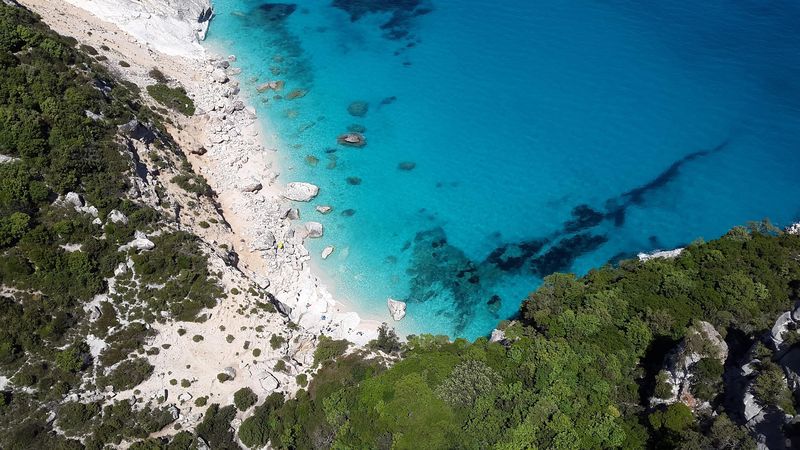
Sardinia is an Italian gem that not many people know. And we’re here to change that! It’s a Mediterranean island with crystal-clear beaches that could rival the Maldives, alongside dramatic mountains and picturesque old towns. And to all that, of course, add superb Italian food with local touches, excellent wine and warm hospitality. Whether you love hiking in nature, wandering through charming towns, or simply lounging on the beach, Sardinia is a perfect place for your holiday. In this guide we’ve gathered all the important information for travelers to Sardinia, including how to get there, when to go, where to stay, which attractions and beaches you mustn’t miss, and more. So let’s get going!
What's in this article
Essential information for travelers to Sardinia
Here you’ll find everything you need to know to plan the perfect trip to Sardinia. From the best time to visit, through how to get there and get around the island, to tips about money and preparing in advance.
Getting to know Sardinia
Sardinia is the second-largest island in the Mediterranean, after Sicily, covering about 24,000 km², a little bigger than Wales! And as befits an island, it has a very long coastline. In the center of the island rises the Gennargentu mountain range, whose highest peak reaches 1,834 meters. And between the mountains and the coast lie fertile valleys and lakes. Apart from one natural lake, Lago Baratz, all the other lakes are actually artificial, created from the 1920s onwards as a solution to the island’s shortage of fresh water. The biggest and most famous is Lago Omodeo, created by flooding an entire village. In the middle of the lake stands an abandoned villa nicknamed ‘the ghost house’, because it suddenly emerges from the water in the dry seasons.
The eastern side of the island is adorned with dramatic cliffs that drop almost vertically straight into the sea. In the Gulf of Orosei (Golfo di Orosei) area this created hidden coves known as ‘calas’, some of which are accessible only by boat.
About a million and a half people live in Sardinia, concentrated mainly in the coastal cities. The largest city is the capital, Cagliari, in the south of the island. Sardinia’s strategic location attracted many conquerors over the generations. Phoenicians, Carthaginians, Romans, Vandals, Byzantines and Spaniards all ruled the island for hundreds of years, and left an enormous influence on the language and architecture. In 1717 the island passed to the House of Savoy and became the Kingdom of Sardinia, which was united with Italy in 1861.
An interesting fact is that today the island has twice as many sheep as people. That’s thanks to the population migrating for centuries towards the center of the island, because of the frequent invasions from the sea. The main occupation in the interior was sheep herding. That’s how Pecorino Sardo cheese came about, the island’s culinary hallmark, alongside the thin, crispy Pane Carasau bread. It apparently paid off, because Sardinia was the first place in the world to be defined as a ‘Blue Zone’, meaning an area with an unusually high proportion of people aged 100 and over. The locals attribute it to their Mediterranean diet, an active lifestyle, strong family ties and also, of course, drinking a glass or two of local red wine every day. We can only hope that some of that longevity rubs off on us visitors to the island.
The main regions of Sardinia
Each region of Sardinia has its own local and touristic character.
In the north-east of the island is the La Maddalena Archipelago marine nature reserve, which includes several large islands and dozens of tiny islets. It’s the perfect area for snorkeling, sailing and visiting pristine beaches. South of it is the Costa Smeralda, a luxurious stretch of coast where the world’s rich come to holiday.
Further south is the Gulf of Orosei (Golfo di Orosei), where limestone cliffs meet the sea dramatically, creating iconic beaches like Cala Goloritzé, recognized as a UNESCO heritage site and famous for the giant rock pinnacle that towers above it. Here you’ll also find one of the deepest canyons in Europe, the Gorropu Gorge, a popular destination for hiking treks.
In north-west Sardinia is Alghero, a historic walled city with a picturesque old quarter. West of the city, at the tip of a peninsula, is Neptune’s Grotto (Grotta di Nettuno), a spectacular stalactite cave that you can reach by boat, or by descending more than 600 steps carved into the rock. This area is also home to one of the most beautiful beaches in Europe: La Pelosa.
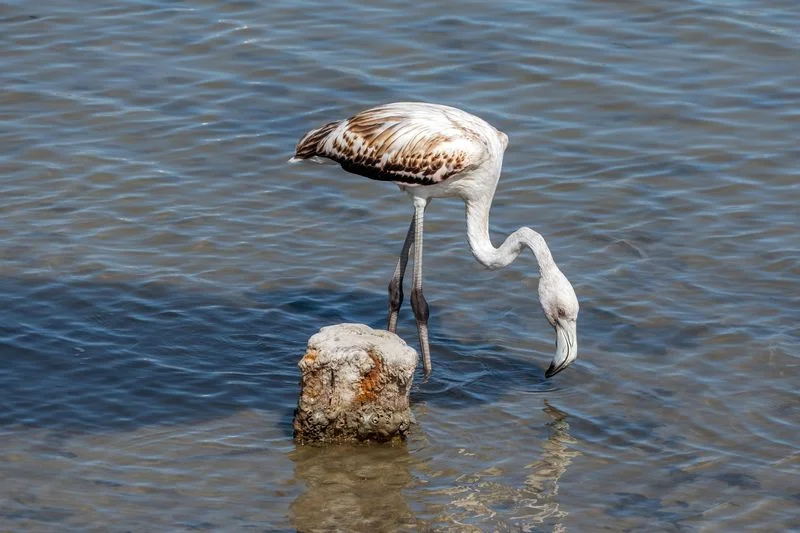
In the south of the island, as mentioned, is the capital Cagliari, with a fortified old quarter, an excellent archaeological museum, local food markets that are fun to wander around and a big city beach. Next to the city is the Molentargius nature reserve, with salt pans home to thousands of pink flamingos.
And in the center of the island is Sardinia’s most important World Heritage Site: Su Nuraxi di Barumini. It’s a huge complex of ancient fortresses, preserved in excellent condition, offering a glimpse of life on the island 3,500 years ago. And if you love wine, the town of Bosa on the banks of the Temo River has been producing the local Malvasia wine for years.
When to visit Sardinia
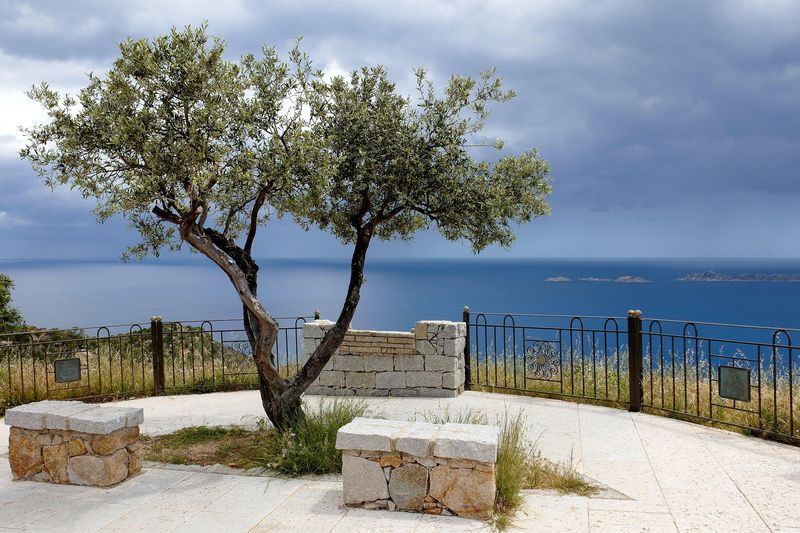
Sardinia enjoys a classic Mediterranean climate: hot, dry summers and cool, rainy winters. Choose the season that suits the kind of trip you’re planning. Summer is of course the peak tourist season and the perfect time for a classic beach holiday. The drawbacks of visiting Sardinia in summer are of course the crowded beaches, the traffic-jammed roads and the high prices. Besides, it’s very hot, which makes hiking in nature, or anything else, harder.
That’s why spring and autumn are perfect seasons to visit Sardinia. They offer the winning combination of excellent weather, far more comfortable prices and fewer crowds at the tourist sites. And if I have to choose one month, then September is the winner! The sea is still warm and pleasant, the weather is wonderful and there aren’t too many tourists. On the other hand, spring is the most recommended season of all for trips in nature, on foot or by bike, when the island is painted with spectacular blooms and the temperatures are pleasant. But don’t count on swimming in the sea, which is still chilly.
And for travelers mainly interested in visiting the cities, for foodies and for culture lovers, winter is a great season to visit, because then you can experience the locals’ Sardinia, with no queues anywhere, and enjoy the holiday atmosphere too.
In short, Sardinia is wonderful in every season; just choose the one that suits you best.
Local currency
The currency in Sardinia, as in all of Italy, is of course the euro.
Credit cards are widely accepted, and ATMs are easy to find.
Here are a few good reasons to bring cash on a trip to Sardinia:
-
- Although Italy has a law requiring businesses to accept credit cards, in the reality of Sardinia things look a little different. In small mountain towns and at isolated kiosks on the beach there’s a serious preference for cash. So it’s worth bringing cash alongside your credit cards.
-
- Many municipalities in Sardinia levy a city tourist tax of a few euros per night per person (depending on the hotel’s level). This tax is usually not included in the price of your booking on accommodation sites (such as Booking). It’s then collected on the spot, usually at check-out, and sometimes in cash.
-
- Access to most of Sardinia’s amazing beaches is free, but parking at them definitely isn’t. Municipal parking areas are marked on the roads in blue, and payment is made at local parking meters. Some of these meters accept only euro coins (not notes or cards). So if you’re renting a car, it’s a good idea to keep a few coins so you don’t find yourself running around looking for change in a panic.
-
- Since in Italy it’s customary to add a fixed cover charge (Coperto) to the bill in restaurants, leaving a tip is not obligatory. That said, if the service was exceptional and you want to reward the waiters with a tip (especially in small family trattorias), cash is the simplest and most accepted way.
-
- Some of Sardinia’s most iconic natural sites, such as the entrance to the Gorropu Gorge trek, charge a token entry or passage fee (for example, about 6 euros to enter the gorge), which can sometimes be paid only in cash at the booth at the start of the trail.
How to get to Sardinia
From most places there are no direct flights to Sardinia, so you’ll usually take a flight with a connection in one of Europe’s cities.
The simplest and most common way to get there is to fly to one of Italy’s three main airports: in Rome, Fiumicino (FCO), and in Milan, Malpensa (MXP) and Linate (LIN). From there you take a short domestic flight (about an hour) to Sardinia. These domestic flights are operated very frequently by airlines such as Wizz Air, easyJet, Ryanair and others, and they’re usually quite cheap. Another popular option is to connect in other nearby destinations, such as Athens (with Aegean) or Vienna (with Austrian).
It’s important to know that Sardinia has three main international airports, and it’s worth choosing your arrival airport according to the area you want to explore:
Cagliari-Elmas Airport (CAG): this is the main and largest airport in Sardinia. It’s in the south of the island and suits those starting their trip in the south or center of Sardinia.
In north-east Sardinia is Olbia Costa Smeralda Airport (OLB), an excellent gateway to the luxurious Costa Smeralda coastline, the La Maddalena Archipelago and the north of the island.
Alghero Fertilia Airport (AHO): in north-west Sardinia, and excellent for those who want to start their trip in the Alghero area and La Pelosa beach.
In any case, and no matter how you decide to fly, my unequivocal recommendation is to use the international flight search engine Skyscanner to find the cheapest flight that suits you best.
Why is Skyscanner the best place to search for flights? Because it has a convenient interface and allows flexibility in the search. You can search for a flight to ‘anywhere’, without defining a specific destination, and on non-specific dates. And you also get the flight prices in a monthly table, so you can choose the cheapest flight in that month.
And before you start the search itself, click here for our guide to an easy search on Skyscanner. Here you’ll get all the information that will help you understand how to search precisely for your needs and understand the results.
The alternative way: reaching Sardinia by ferry with your car
If you’re planning a long trip that combines Sardinia with other destinations, you can also reach the island by ferry, together with your rental car. It can even be an experience, because the ferries from Italy include cabins, restaurants and bars. They leave from major ports in northern and central Italy, such as Genoa, Livorno, Civitavecchia (near Rome) and Naples, and arrive at Sardinia’s main ports: Olbia, Porto Torres and Cagliari. The crossing takes between 7 and 11 hours, and it’s worth considering, because it’s cheaper to rent a car on the mainland than on the island.
Getting around Sardinia
Sardinia may be an island, but that doesn’t mean it’s small. As mentioned, it’s a big island, and the distances between the regions are significant. For scale, crossing it from north to south will take you about 4 hours, and from east to west about two hours. So the way you choose to get around will greatly affect the character of your trip.
Should you rent a car?
The answer is an unequivocal yes. If you want to get out of the big cities and explore the golden beaches, the hidden calas or the mountainous interior of the island, a rental car is a must. Public transport in Sardinia (trains and ARST buses) is slow, infrequent and doesn’t reach most of the points of interest and nature spots.
Personally, I always prefer to search for rental cars onthe Paapm Paapm website. It’s a car rental search engine, and about all its advantages I wrote here. It’s better to book the car in advance, to avoid dealing with it after landing. The earlier you book, the more choice there is and the cheaper the price. In addition, don’t skimp on buying suitable insurance that covers everything you need. How do you do that? We wrote a whole article with tips for renting a car abroad that I recommend reading.
It’s convenient to collect your rental car straight from the airport. But you can also easily get from the airport to the nearby city without a car. From Cagliari airport (CAG) there’s a fast train that reaches the city center in 6 minutes. From the airports in Olbia (OLB) and Alghero (AHO) there are convenient city bus routes to the town centers.
My tip: Choose the smallest car that suits your needs, because the roads in the old towns and the access roads to the beaches are especially narrow and winding.
Good to know: limited traffic zones (ZTL) in Sardinia
As in most Italian cities, the historic centers of Sardinia’s cities (especially Alghero and Cagliari) have restricted driving zones called Zona a Traffico Limitato, or ZTL for short. Entry is allowed only to residents with a permit, and it’s monitored by cameras. If you enter such a zone by mistake you’ll get an automatic fine, sent to you through the car rental company. So always look for the round white signs with a red circle in the middle, and park the car outside the walls of the old town.
Note: regulated paid parking in Sardinia is marked with blue lines. Payment is made at local meters. Parking in white lines is free, while yellow lines are for locals only. Don’t park there! Unless you want to get heavy fines.
Can you manage without a car?
If you don’t drive or prefer not to rent a car, getting around Sardinia won’t be easy for you. The rail network connects only the big cities (Cagliari, Olbia, Alghero and Sassari), and the intercity ARST buses are infrequent and hardly reach the remote beaches. That said, if you’re coming for a city break in Cagliari (in the south) or Alghero (in the north-west), you’ll manage with the public transport available there. And in the summer months there are convenient seasonal shuttles that take you directly to the beautiful nearby beaches.
What to see, where to visit and where to stay in Sardinia, by region
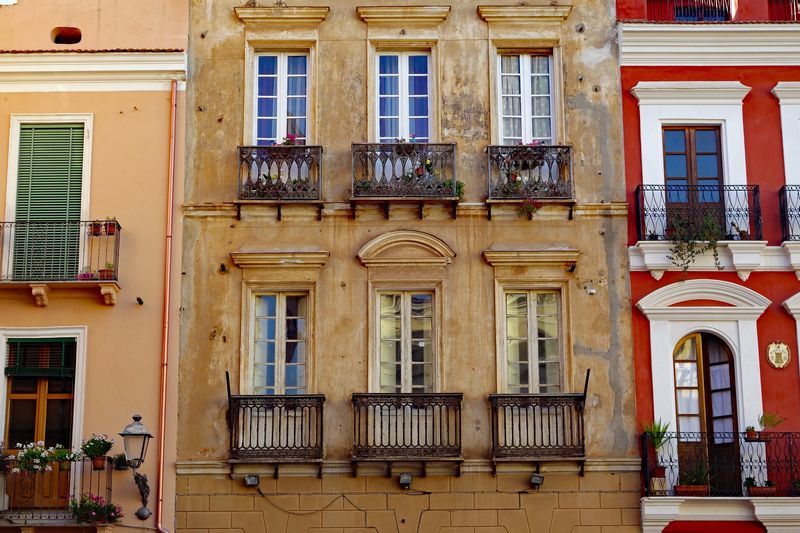
To make planning your trip easier and let you build a sensible route, we’ve divided Sardinia into four main geographical regions. In each region you’ll find all the beaches and sites most worth visiting, as well as guided tours and activities and recommended hotels. In short, everything you need for a perfect trip to Sardinia!
North-east Sardinia (Olbia, Costa Smeralda and the La Maddalena Archipelago)
This is probably the most famous and most visited area of Sardinia, and also the most glamorous! Because this is where the iconic ‘Emerald Coast’ (Costa Smeralda) is, attracting the luxury yachts of the rich and famous. And next to it, the La Maddalena Archipelago reserve that you mustn’t miss. So what is there to do here? Apart from gazing at millionaires’ yachts, there are sandy beaches with turquoise water, impressive granite rocks and fascinating marine life. And a little further inland, traditional wineries that are worth a visit.
Porto Cervo
Although it looks like an ancient, picturesque fishing village, Porto Cervo was built from scratch only in the 1960s. It’s a luxury resort town that is the beating heart of the Costa Smeralda. Beyond the mesmerizing shop windows of the top brands in the main square, the Piazzetta, it’s worth wandering around the huge marina that houses yachts worth millions, visiting the spectacular Stella Maris church (Chiesa di Stella Maris), which holds an original painting by the famous Renaissance painter El Greco (Mater Dolorosa), and not forgetting to enjoy coffee and shopping at the Promenade du Port complex.
Palau, La Maddalena Town and the La Maddalena Archipelago
Palau is a cute port town about 30 km north-west of Porto Cervo, and the main departure point for the La Maddalena Archipelago. The most famous attraction near the town is the ‘Bear Rock’ (Roccia dell’Orso), a huge granite rock eroded by the winds over millions of years that looks like a bear, including a spectacular arch forming the ‘body’ and ‘legs’. Getting up to the rock involves a short walk up a hill, and provides a stunning panoramic view over the whole La Maddalena Archipelago.
From Palau, as mentioned, you can set off on a full-day cruise in the La Maddalena Archipelago. The cruise passes between the protected islands of the reserve, and includes stops for swimming and snorkeling at beaches that look like they came off a postcard. As part of the cruise you also visit the town of La Maddalena, on the largest island in the archipelago. It’s a picturesque Italian town with stone alleyways, excellent cafés and a promenade with views and small shops.
For details and bookings click here.
If you want to get to La Maddalena without a cruise around the archipelago, there are frequent ferries to the town, taking about 20 minutes each way.
The Pink Beach (Spiaggia Rosa) on Budelli island
During the cruise in the La Maddalena Archipelago you’ll probably get a glimpse of one of the most famous and mysterious beaches in the world. The sand on this beach is a spectacular shade of pink, created from the remains of tiny marine micro-organisms that wash up on the shore. To protect this wonder from erosion and from tourists who used to steal the pink sand in bottles(!), the Italian government has completely banned entering, swimming or stepping on the beach since 1998. The boats and organized tours stop at a safe distance from the beach so you can photograph its mesmerizing hue from afar, and simply marvel at nature at its best.
Santa Teresa di Gallura and a quad-bike tour
Santa Teresa di Gallura is at the northernmost point of Sardinia, facing the neighboring island to the north, Corsica. On clear days you can even see the cliffs of Corsica in the distance! The area is famous for its wild coastline, with sculpted cliffs and amazing nature. To experience all this without too much effort, you can join a guided quad-bike tour that lasts about 3 hours and gives you a serious dose of adrenaline, alongside breathtaking panoramic views of the sea and the surrounding nature.
For details and bookings click here.
Olbia, wine and local pasta
We’ve jumped a little south of Porto Cervo, to the middle of the north-east coastline. This is where Olbia is, which thanks to its airport serves as the main gateway to northern Sardinia. If you have time, it’s worth strolling along the Corso Umberto pedestrian street, packed with restaurants and shops, and visiting the church of San Paolo (Chiesa di San Paolo), which has a beautiful, colorful mosaic dome. Another nearby church worth a visit is the 11th-century Romanesque Basilica di San Simplicio, built of grey granite stones.
Around Olbia stretches the Gallura region, famous for producing a superb white wine, Vermentino di Gallura. If you’re a wine lover, it’s worth joining a tour of a family winery where you learn all about the winemaking process and enjoy wine tastings and excellent local appetizers. For details and to book the winery tour and wine tasting click here.
Olbia is also a great place for a traditional pasta workshop that will connect you to the local culture in the best way possible: through your stomach! In the workshop you learn to make several kinds of authentic Sardinian pasta, from the dough to the perfect sauce, and of course finish with a festive meal of your creations accompanied by local wine. For details and to book the traditional pasta workshop click here.
Porto Istana beach
If you’re looking for a dreamy, easy-to-reach beach right next to Olbia (about 15 km south of the city), Porto Istana is the perfect choice. It’s four small coves separated by granite rocks, with fine white sand and mesmerizingly colored water that is almost always calm and very shallow. The beach offers a direct, impressive view of the famous rock island of Tavolara rising from the sea, and it’s great for families with kids, for snorkeling lovers, and for anyone who wants to sunbathe without going far from central Olbia.
Cala Brandinchi beach
This beach is about 30 km south of Olbia, near the town of San Teodoro. It’s popular thanks to its fine white sand and clear, shallow water, which give it the feel of a tropical beach. That’s why it was nicknamed ‘Tahiti Beach’. But there’s a catch: from June 1 to September 30 you need to book an access permit for the beach in advance, because to protect it, the number of visitors in summer is limited. Booking is done on the website
Important: if you’re planning to come between June 1 and September 30 in any year, you must book an access permit for the beach in advance! Because to protect it, the daily number of visitors is limited. Booking is done onthis website and the cost is about 2 euros per person. The booking window opens each time two days ahead at six in the evening Italian time, and it’s worth knowing that in high season the tickets get snapped up very quickly.
Golfo Aranci: dolphin watching
A little north-east of Olbia, about a quarter of an hour’s drive away, is the lovely town of Golfo Aranci. What’s especially interesting here is the bay with the pod of dolphins that lives here permanently (mainly around a marine fish farm that provides them with plenty of food). The perfect way to explore the bay and watch the local dolphins is on a kayak tour. During the tour you also paddle alongside the cliffs of Capo Figari and the island of Figarolo, snorkel in the clear water, and finish with a traditional Sardinian aperitivo facing the sunset.
Where to stay in north-east Sardinia?
Sardinia is a huge island with significant driving distances, but the north-east area isn’t very big and you can definitely base yourself in one part for a few days and take day trips from there. If you don’t want to move around too much, Olbia is a very convenient base, which is also easy on the wallet. The hotels in the city are significantly cheaper than in other areas, the city has good restaurants and it’s easy to get onto the main road and reach any point in the area.
In the city center, right on the pedestrian street, is Hotel Centrale, a 4-star hotel with pleasant rooms and free parking nearby. The nearby Hotel Terranova is also excellently located in the heart of the old town. It’s a 3-star hotel with simple but clean, pleasant rooms, friendly staff and a good price.
Near the airport, in the south of the city, is the popular Jazz Hotel, which has colorful rooms, some with a jacuzzi, and a pool. It’s convenient for getting onto the main roads. And if you’re looking for a good-value apartment hotel that gives you space and independence, and free parking, the Geovillage Green Residence hotel is in a pastoral area outside the crowded city center, with apartments of different sizes with an equipped kitchen.
On the other hand, if you’re not here to save money, check out Hotel Cala di Volpe or Abi d’Oru Sardinian Beach Resort & Spa, both intended for those with an unlimited budget, but they’ll let you feel for a few days that you’re part of Sardinia’s rich and famous.
The Gulf of Orosei area
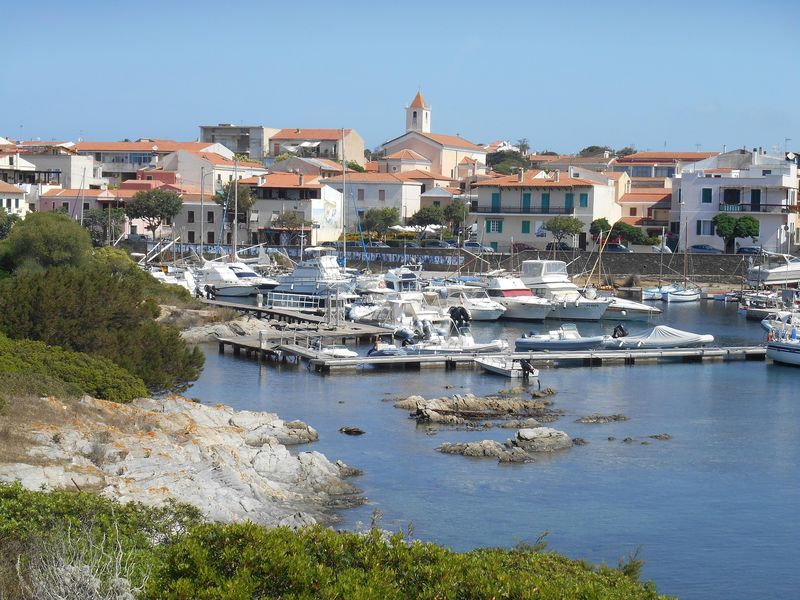
In the Gulf of Orosei (Golfo di Orosei) area, the huge limestone and granite mountains of the island’s interior plunge completely vertically from a height of hundreds of meters, straight into the turquoise sea. Because of this, along this entire coastline there isn’t a meter of asphalt or concrete, and the result is a beautiful, natural stretch of coast where the sea has created hidden, secluded coves called calas, which can be reached only by boat (or by challenging hiking treks).
Cala Goloritzé
This beach has been chosen as one of the most beautiful in the world and is recognized as a UNESCO World Heritage Site. Its iconic status comes from a giant limestone pinnacle rising more than 100 meters right above the water, and from a natural rock arch that photographs wonderfully. The thing is, to protect the place, motor boats are not allowed to anchor at the beach itself or drop off visitors there. On a cruise you can see the beach from the sea, but to actually set foot on it you need to do an (amazing) trek of about an hour and a half each way, with a climb back up that is not easy at all.
In addition, entry to the beach is limited to just 250 visitors a day, soyou must book a place in advance through the official Heart of Sardinia website (the cost is about 7 euros per person, including parking at the top of the trail at Su Porteddu; children up to age 5 enter free). Also, the reserve rangers stationed at the entrance are very strict: you must come with closed shoes (hiking shoes or sports shoes with good grip). Entering the trail in flip-flops or sandals is strictly forbidden.
If you choose only to see the beach from the sea, it’s recommended to join this cruise, which stops at Cala Goloritzé (but doesn’t allow you to go ashore), and also at other beaches where you can go ashore and enjoy the sun, the sea and the sand.
Another way to experience Cala Goloritzé, and the Gulf of Orosei in general, completely independently, is simply to rent a small motor boat (dinghy). The rental doesn’t require a boating license and you can be your own captains! You can stop wherever you want, snorkel, sunbathe, all at a pace that suits you. The boat holds up to 6 people.
For details click here.
Cala Luna and the Bue Marino Cave (Grotta del Bue Marino)
‘Moon Bay’ is another breathtaking beach, famous thanks to the six huge limestone caves at the base of the cliff. These giant caves serve as spectacular natural windows looking out from inside the cliff straight onto the sea, and provide great shelter from the sun and an amazing location for photos. The beach is relatively easy to reach by boat, for example this one, and there’s no need to book places in advance.
3 kilometers north of Cala Luna is the Bue Marino Cave, an impressive stalactite cave. In the cave you can take a tour of about an hour, walking on wooden bridges above underground lakes and seeing thousands of stalactites, stalagmites and prehistoric rock paintings. To book a combined cruise to Cala Luna and the stalactite cave, including a guided tour of the cave, click here.
Cala Mariolu and Cala dei Gabbiani
Cala Mariolu has been chosen time and again by international travel sites as one of the most beautiful beaches in Europe and the world. The beach is made of tiny white pebbles that look like pearls, and the water is so clear it will make you feel you’re swimming in a giant aquarium (a snorkel and mask are a must!).
Right next to Cala Mariolu is Cala dei Gabbiani (‘Seagull Bay’). It’s less famous, but it also has water of the same amazing azure color and gleaming pebbles. The advantage is that it’s usually less crowded there.
The drawback: both beaches are accessible only by boat (on day cruises leaving from Cala Gonone or Arbatax).
Gorropu Gorge
This is one of the deepest and most impressive canyons in Europe, so much so that it’s sometimes called ‘the Grand Canyon of Europe’. The canyon’s vertical rock walls reach a crazy height of about 500 meters, and at the narrowest point there’s a gap of only about 4 meters between them. Walking inside the canyon’s channel between the giant white granite boulders is without doubt a breathtaking experience.
To hike the canyon you can simply arrive at the booth at the start of the trail and pay (cash only!) 6 euros per adult and 4 euros per child. Then you choose the difficulty level of the route that suits you. There are 3 options: easy, medium and hard (only for professional climbers with suitable equipment). The full route on foot, from the Genna Silana pass, includes two hours of walking just to the mouth of the canyon itself, and takes many hours. So most visitors choose to do part of the way, up to the canyon itself, by jeep. This, for example, is a guided tour in which you mainly enjoy the walk inside the canyon itself and don’t even have to climb back up on foot.
Where to stay in eastern Sardinia and the Gulf of Orosei?
Because of the topography of the cliffs and the lack of roads near the coast, the decision of where to stay in the Gulf of Orosei area is absolutely critical. In practice, the most recommended base is Cala Gonone, a picturesque seaside town that is the official gateway to the whole area. All the boat tours and water taxis leave from its beautiful harbour, and the hiking trail to the Gorropu Gorge starts nearby. Beyond that, Cala Gonone has a lovely promenade, plenty of restaurants and a wonderful Mediterranean holiday atmosphere in general.
Hotel Nettuno is a warm, family-run 3-star hotel in an excellent location close to the beach and the harbour, and to lots of restaurants. The rooms are simple but clean and air-conditioned, and there’s also a pool and an excellent breakfast. And above all, the service goes above and beyond.
The BUE MARINO Hotel & Rooftop Bar hotel is the winning choice for those who want to be right next to the beach. It has a roof with a panoramic view, a bar with excellent cocktails and an indulgent jacuzzi. The rooms aren’t big, but they’re comfortable, and some have a balcony. Hotel Cala Luna is also a 3-star hotel, right on the waterfront and famous for its rooftop bar. The rooms are modern and clean, the breakfast is excellent, and you can book massages, yoga classes or bike rental.
While Hotel Villa Gustui Maris is a 4-star hotel a little outside the town, enjoying a spectacular view of the sea. It has a big pool, an excellent restaurant and a good breakfast. The rooms are designed in a pleasant traditional style and most of them have a balcony with a view. Perfect for those looking for peace and quiet.
North-west Sardinia (Alghero, Neptune’s Grotto and La Pelosa beach)
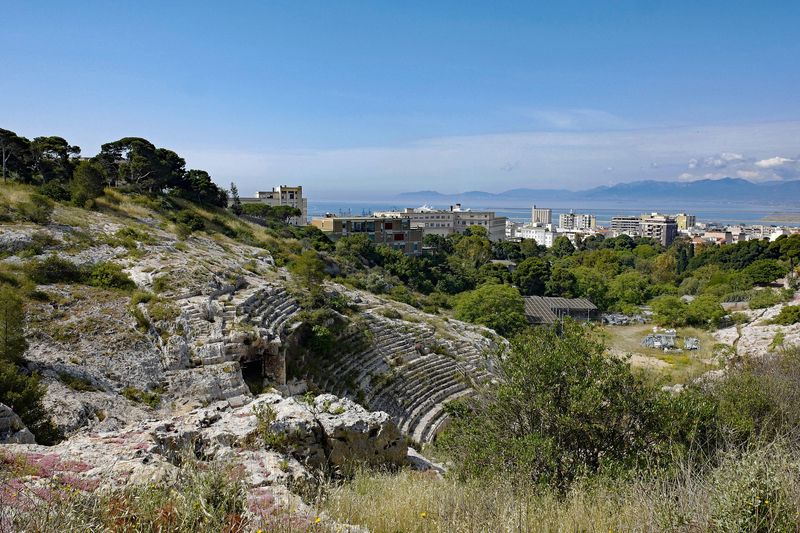
This area is Sardinia’s sunset capital. Here you’ll find fascinating history, including centuries of Spanish-Catalan influence and impressive Gothic architecture, alongside wild nature and stunning beaches.
Alghero
This city is affectionately called ‘Little Barcelona’. Because of past Catalan rule, a large part of the residents still speak the language, the street signs are bilingual, and the architecture is reminiscent of Spain. It’s a walled port city, and it’s highly recommended to wander the cobbled alleyways of the old quarter, visit the impressive 16th-century Cathedral of Santa Maria (Cattedrale di Santa Maria), and watch the sunset while walking along the historic walls facing the Mediterranean. You can also join a guided tour if you like.
The bay of Alghero is home to a large dolphin community, which you can meet ona special dolphin-watching cruise, which also includes listening to their sounds through an underwater microphone, and explanations from an expert marine biologist.
If you prefer to get to know the place through your stomach, you can join a workshop on making authentic homemade pasta, which ends with a full meal accompanied by fine wines. And if you’re less into standing and cooking, this tour of a family farm near the city will introduce you to local wine and olive oil, while walking among the vineyards and ancient olive groves, seeing the traditional production methods, and tasting local delicacies.
Porto Conte Nature Park and Neptune’s Grotto (Grotta di Nettuno)
Neptune’s Grotto is one of the most spectacular and famous stalactite caves in Italy. It sits inside the sheer cliffs of the Capo Caccia peninsula, and there are two ways to reach it: by boat from the port of Alghero, which brings you directly to the mouth of the cave, or on foot from the top of the cliff down the ‘Goat’s Steps’ (Escala del Cabirol), no fewer than 654 steps carved into the rock, above the churning sea. It’s without doubt a breathtaking experience, but bear in mind that afterwards you have to climb back up too!
If you come by boat, you don’t need to book in advance. But if you come on foot, via the steps, you must reserve your arrival time in advance through here, and arrive 40 minutes early. The tour of the cave is only with guides and lasts about half an hour. The entry fee is about 18 euros per adult.
The cave is part of the Porto Conte nature reserve, which has huge limestone cliffs, spectacular sea views and ancient ruins. And the perfect way to explore all this is on a guided e-bike tour. That way you don’t have to work too hard, and you can concentrate on the beauty of the surroundings. If you’d still rather explore the place on foot, but don’t want to deal with navigating, you can take a tour of the park with a guide.
La Pelosa Beach
This famous beach is at the tip of a protruding headland in the north-western part of Sardinia, near the town of Stintino. Many consider it one of the most beautiful beaches in Europe, thanks to brilliant white sand and shallow, calm, crystal-clear azure water that really looks like a giant natural swimming pool. Opposite the beach rises an ancient 16th-century Aragonese watchtower, on a small rocky islet. Important: because of the beach’s enormous popularity, and to protect it, you must book entry tickets in advance, between May 15 and October 15 every year. You can book here. Up to age 12 entry is free; for everyone else it costs about 3.5 euros. In addition, you’re not allowed to put towels directly on the sand! You first need to lay down a mat, which you can buy on the spot.
Where to stay in north-west Sardinia?
The city of Alghero is the perfect base for exploring north-west Sardinia.
For the perfect treat, the Villa Las Tronas Hotel & SPA hotel is a 5-star hotel in Alghero that is pure European luxury. It sits inside an old royal villa that once served as the official summer residence of the Italian royal family! It’s located on a private peninsula, between 2 small bays, right on the sea and with a spectacular view, but only 10 minutes’ walk from the old town. It offers rooms designed in an antique style, uncompromising service, a spa center and 2 pools, one with salt water.
Hotel Catalunya is a popular 4-star hotel in a winning location, right opposite the city’s boat harbour and only 5 minutes’ walk from the picturesque alleyways of the old town. It has a rooftop bar with a panoramic view, where the excellent breakfast is also served. The rooms are spacious and designed in a pleasant modern style, and there’s also parking (for a fee).
While Hotel Florida is a 3-star hotel right on the seafront, with a beautiful promenade leading to the center of the old town. It has a big, inviting pool, spacious, pleasant rooms with balconies, a wonderful breakfast and, in short, excellent value for money.
Southern Sardinia (Cagliari, the flamingo reserve and the southern beaches)
In southern Sardinia is the island’s capital, Cagliari, with lots to do and see, and beside it salt lagoons that are home to thousands of pink flamingos. In addition, the area has great beaches for lounging or snorkeling, and you can also go on cruises or guided tours in nature. In short, there’s everything here; just choose.
Cagliari
This is the capital of Sardinia, on the shores of a bay in the south of the island. It has a historic center, the Castello quarter, sitting within walls on top of a hill, with ancient watchtowers, narrow alleyways full of character, beautiful piazzas and a magnificent cathedral, the Cathedral of Santa Maria. It’s also worth visiting the San Benedetto food market and the Bastione di Saint Remy complex, which has a stunning panoramic view over the whole bay.
Because the quarter is on a hill, it’s not easy to walk up and down all the slopes, and instead you can take a guided Segway tour that lasts about two and a half hours and ends with a fine Italian coffee.
For details and to book places click here.
Another surprising secret of Cagliari hides underground! Beneath the city’s sun-drenched streets lies a whole fascinating underground world of caves, ancient crypts that were once important places of worship, and tunnels that served as shelters and bunkers during World War II. The perfect way to discover this mysterious city of shadows is to join a guided walking tour that visits several underground sites and brings you as close as possible to the local history.
For details and bookings click here.
And to get to know the bay the city sits on, there’s no better way than to join a cruise that includes stops for swimming and snorkeling in the clear water, fascinating explanations about the surroundings from the skipper, snacks and local drinks.
For details and bookings click here.
The Molentargius nature reserve
Within touching distance of central Cagliari lies the huge salt pan and nature reserve of Molentargius. It’s one of the most important sites in Europe for nesting pink flamingos, which have naturally become one of the city’s symbols (the locals call them ‘Sa Genti Arrubia’, the red people). The reserve covers a vast area, and the perfect, most environmentally friendly way to explore it (and watch the thousands of flamingos and dozens of other bird species up close without disturbing them) is on a guided ‘eco-safari’ in an open electric minibus. During the tour you get professional binoculars and are accompanied by a guide who explains the historic salt production process and the amazing biodiversity of the place. Don’t miss this opportunity, which you usually only get in Africa.
For details and bookings click here.
Chia
Chia is a small town west of Cagliari, next to some of the most beautiful beaches in Europe, perfect beaches for a classic lounging holiday.
Su Giudeu beach (Spiaggia di Su Giudeu) is the flagship beach of the area, famous for its soft golden sand, dunes tens of meters high and especially clear, shallow water that suits kids too. At low tide you can actually walk through the shallow water to the small rocky islet right opposite the beach.
Cala Cipolla beach (Spiaggia di Cala Cipolla) is on a small, wild bay, with water that looks like a turquoise pool. Perfect for lounging on the beach and for snorkeling too.
And if you’re looking for a bit of activity and not just lounging, Chia is a pilgrimage site for windsurfing and kitesurfing lovers, and you can rent kayaks or pedal boats directly on the beaches to explore the hidden bays around.
In addition, on a rocky hill above the beaches is the Chia Tower, reached by a short walk up the hill. It’s an old 16th-century Spanish tower with an amazing view over the coastline.
And for nature lovers, there are flamingos here too, in the Chia salt lagoon (Stagno di Chia), which is best visited at sunset.
Villasimius
This is a resort town about 50 km east of Cagliari, next to a marine reserve with amazing beaches. Porto Giunco beach is called ‘the Caribbean of Sardinia’, thanks to shallow water of a mesmerizing turquoise color and sand with a delicate pinkish tinge. Right behind the beach is the Notteri lagoon (Stagno di Notteri), where you can see flamingos. Another must-visit beach is Punta Molentis, on a wild, beautiful bay surrounded by cliffs, with especially clear turquoise water. Note that access to the beach in high season is limited and requires booking a place in advance.
In the evening, the center of Villasimius becomes a pedestrian zone closed to cars, with boutique shops, stalls of local artists and excellent ice-cream parlors. The area is also famous for its vineyards, and you can take a guided tour of a family winery which of course includes a tour of the place and explanations of the winemaking stages, as well as a dinner of local flavors and plenty of wines. Please note that the food is not kosher.
Where to stay in southern Sardinia?
The most convenient base for exploring this area from one spot is without doubt the capital, Cagliari. Cagliari has the perfect combination of a strategic location that lets you easily take the main roads to the beaches of Chia or Villasimius, alongside a city center where you can spend the evening at excellent restaurants, pubs and shops.
The Palazzo Doglio is the perfect choice for those who really want to treat themselves. It’s designed as a historic palace around a beautiful inner courtyard, with several excellent chef restaurants (from gourmet pizza to fusion). It has luxurious rooms and suites, a spa with an indoor pool, private parking and VIP service for every guest.
The Hotel Regina Margherita is in an excellent location in the heart of the city, a very short walk from Piazza Yenne and the marina restaurants. It has spacious, air-conditioned rooms, an excellent breakfast, an indulgent spa, and the most important highlight for travelers with a car: a nearby car park for free (a huge advantage in crowded Cagliari!).
Hotel 4 Mori is a simple, warm, pleasant 3-star hotel for those looking for a practical, clean base at a comfortable price. It’s centrally located, next to Cagliari’s port and marina. The rooms are spacious and the staff are courteous and efficient and happy to help with any question.
Albergo Diffuso Birkin Castello is also good value, housed in several beautifully renovated historic buildings in the heart of the old Castello quarter. The rooms have lots of character, designed in a romantic, elegant style that blends old and new, and the breakfast is good.
Central and inland Sardinia
The island’s interior is the place to meet the real Sardinia, with authentic rural life. Culture and art lovers, and anyone who wants to get to know the local culture and history more closely, shouldn’t miss it, because here you’ll discover that Sardinia has more than just lounging on the beach.
The Su Nuraxi di Barumini heritage site
This is the most important archaeological site in Sardinia and the only one declared a UNESCO World Heritage Site. It’s a huge, mysterious complex of stone fortresses built by the Nuragic culture about 3,500 years ago, preserved in excellent condition. You can walk inside the stone towers and the alleyways of the ancient village, and visit the nearby ‘Casa Zapata’ museum, included in the ticket price. The museum has remains of a fortress that can be seen through a glass floor, and a collection of objects, agricultural tools and ancient wind instruments representing the local culture.
Even if you have no plans to drive there yourselves, or you want to go deeper into the place, you can take an organized tour with transport, which leaves from Cagliari to the site, accompanied by a guide who provides explanations and stories about the essence of the place.
Orgosolo
This is a lovely town deep inside the mountainous Barbagia region. Its uniqueness and fame come from the countless murals that decorate its stone houses. The paintings began as a tool of protest against the establishment of a military base on the grazing lands of local shepherds, in the 1960s. Since then the town has become a kind of open-air gallery presenting a variety of political and social messages, local and global.
Mamoiada
A little west of Orgosolo is Mamoiada, famous for its traditional annual carnival, held every year in January. During the carnival the local men dress up as the terrifying Mamuthones figures, to drive away the evil spirits of winter and ensure an abundant harvest in the new year. They wear sad wooden masks and carry heavy bells. Even if you visit the town in summer, you can still get to know its unique tradition with a visit to the Museum of Mediterranean Masks, or even a visit to an artisan’s workshop where you see how a piece of wood becomes a traditional mask.
The Giara di Gesturi plateau
This is a plateau of basalt rock rising above the island’s interior, near the archaeological site at Barumini. The plateau is a nature reserve famous as the home of the Giara wild horses, a unique breed of small wild horses only about 1.3 meters tall, which are the last of their kind still living free in Europe. Besides the horses, the reserve also has cork oak trees and seasonal pools. For nature lovers it’s a great place for a pleasant walk.
A trek to the ancient village of Tiscali
If you prefer more challenging hikes, the most fascinating trek in central Sardinia is the trek to the ancient village of Tiscali. It’s a mysterious ancient Nuragic village thousands of years old, built at the top of Mount Tiscali in a unique location inside a kind of sinkhole, which protected it from invaders and conquerors. To reach the village you set out on a trek of several hours, among ancient oaks and dramatic cliffs, at the end of which you enter through a narrow crevice into the mouth of the sinkhole, inside which are the remains of the village’s houses. This hike requires good walking fitness, and it’s recommended to do it with a professional guide who will lead you safely. For details click here.
Bosa
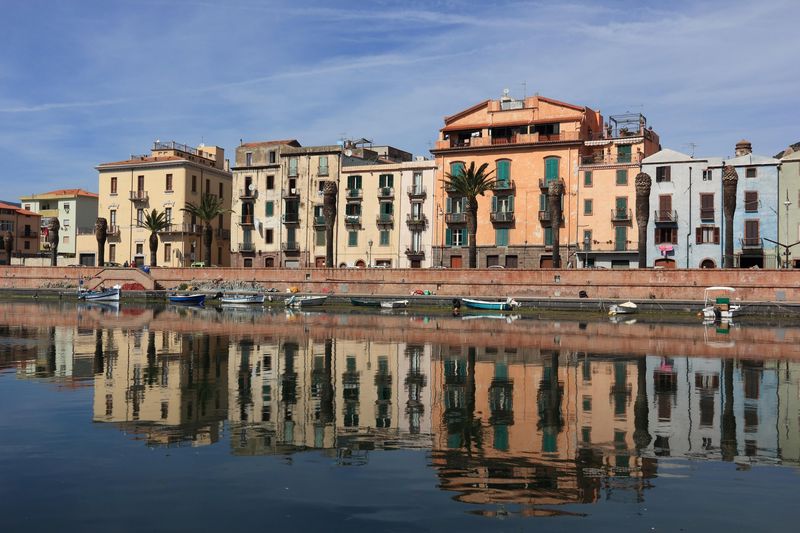
The town of Bosa sits on the banks of the Temo River, the only navigable river in Sardinia. It’s a picturesque town with pastel-colored houses climbing up a hill to the ancient Malaspina castle at the top. Wandering the narrow stone alleyways you can enjoy small cafés, shops of local artists and of course taste the sweet local Malvasia wine that has been produced in the area for hundreds of years.
We wish you a wonderful trip to Sardinia! And we invite you to write to us in the comments about how it was.
For all our articles about Italy click here.