Australia is the kind of place that is very easy to fall in love with even before you arrive, and a little harder to understand how exactly to plan a trip to. It’s huge, the distances are confusing, the weather varies enormously from region to region, and every time you open a map you discover another place that looks like something you simply must fit into the itinerary. And that’s exactly the problem: you can’t really see all of Australia in one trip. Even if you have a month, and even if you are exceptionally efficient people who don’t waste time on unnecessary things like sleep.
That’s why planning a trip to Australia starts, first of all, with choosing. How much time you have, which season you’re coming in, what kind of trip you like, and which regions are convenient to combine in one trip. In this article we’ll make sense of all the important things: when to come, how to fly, how to get around, which itineraries suit the length of your trip, where to sleep and what to book in advance. The goal is not for you to leave here with a plan for every hour of the day, but with enough information to build a sensible trip, with all the things that matter to you to see.
That’s why planning a trip to Australia starts, first of all, with choosing. How much time you have, which season you’re coming in, what kind of trip you like, and which regions are convenient to combine in one trip. In this article we’ll make sense of all the important things: when to come, how to fly, how to get around, which itineraries suit the length of your trip, where to sleep and what to book in advance. The goal is not for you to leave here with a plan for every hour of the day, but with enough information to build a sensible trip, with all the things that matter to you to see.
What's in this article
A short introduction to Australia
Australia is the sixth-largest country in the world, with an area of almost 7.7 million km², but fewer than 28 million people live there. In other words, it’s a vast country with a very low population density, and most of the residents are concentrated in the cities and coastal areas. To understand the scale: Australia stretches almost 4,000 kilometers from east to west, about the width of the continental United States! The distances here really are big. Sydney and Melbourne look relatively close on the map, but almost 900 kilometers of road separate them. From Sydney to Cairns it’s more than 2,400 kilometers! So in Australia there is no room for too much spontaneity on a short trip, and you need to choose carefully which parts of the country you invest your time in. It’s important to understand that unless you’re on a 3-month trip, you can’t really see all of Australia in one trip.
Australia’s east coast is the more populated one, and it’s home to some of the country’s best-known cities and attractions. Most travelers choose to land in Sydney, which is a natural starting point for a first trip, with the Opera House, the Harbour Bridge, beaches like the famous Bondi Beach, and a big-city atmosphere in general, but also with options for day trips out of the city, for example to the Blue Mountains.
North of Sydney is Brisbane, the capital of Queensland, a pleasant, warm city that serves as a convenient base for trips to the Gold Coast and the Sunshine Coast, and also for continuing north along the Queensland coast. From there you can set out on a trip to beaches and tropical islands like the Whitsundays, and eventually reach the city of Cairns and the Great Barrier Reef, a natural wonder like no other in the world.
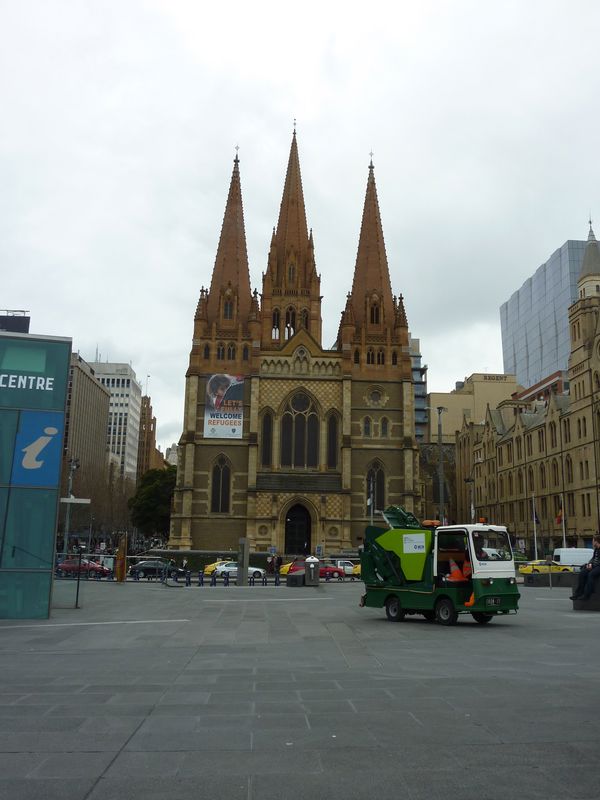
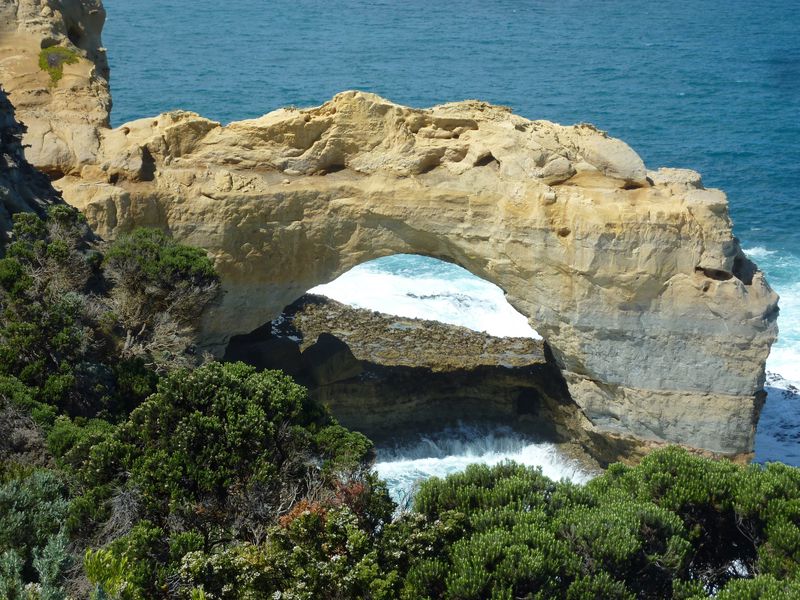
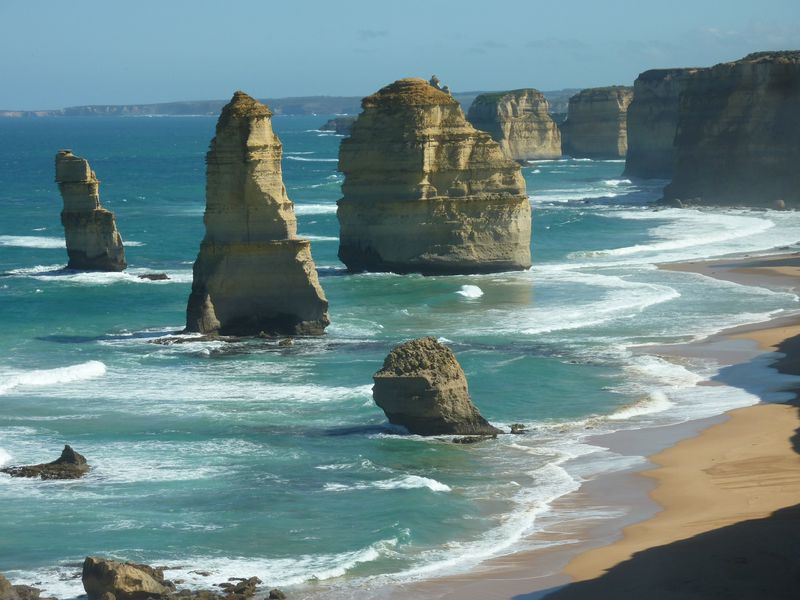
South of Sydney is Melbourne, which is also a big city, but with a completely different character from Sydney. Less harbour and iconic beaches, and more cafés, markets, art, food and cultural life. It’s also the starting point for one of the country’s best-known road trips, the Great Ocean Road, which runs along dramatic beaches, cliffs and sea lookouts.
You can’t talk about Australia’s cities without also mentioning Canberra, which is the country’s official capital. It is located in the Australian Capital Territory, roughly between Sydney and Melbourne, and it’s home to the institutions of government, museums and national galleries. It’s usually not the first destination you put into an Australian itinerary, but if you want to get to know Australian history, art and politics better, this is the place.
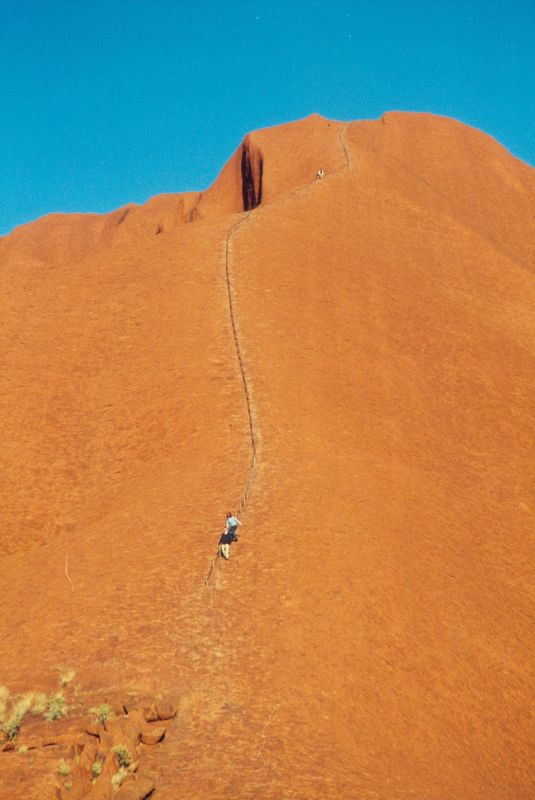
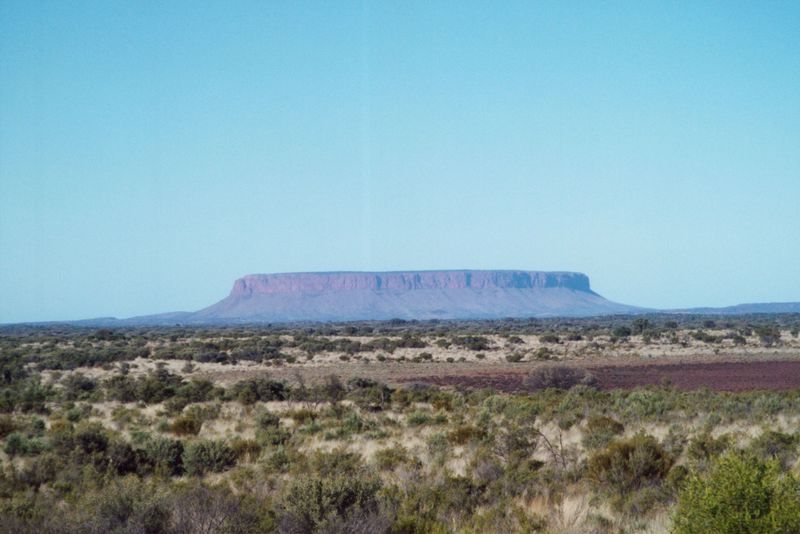
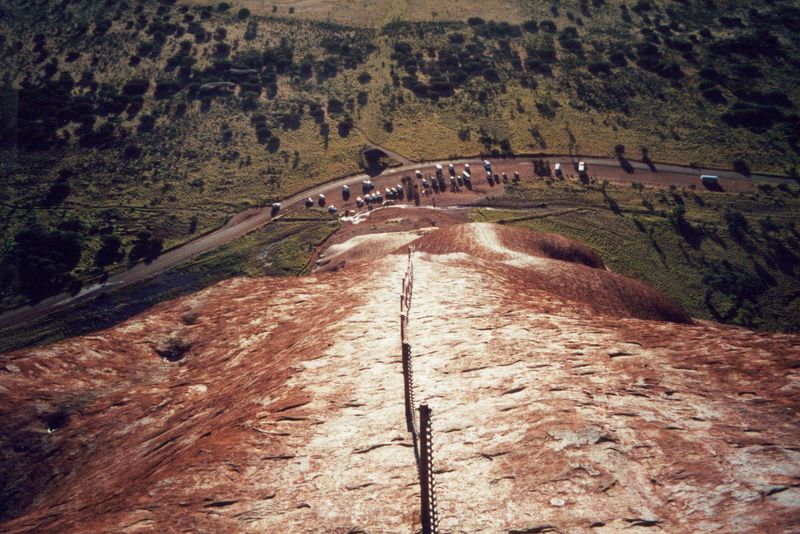
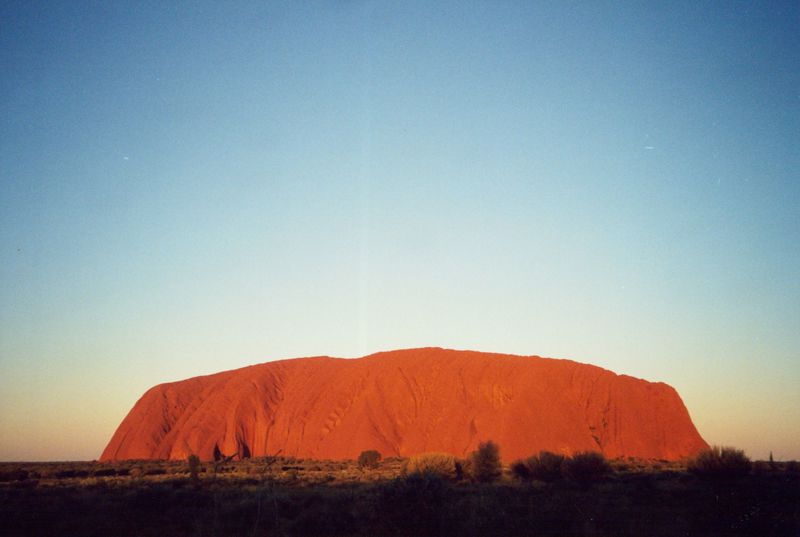
Central Australia is a completely different story. The desert landscapes earned it the name ‘the Red Centre’, and the famous Uluru, a giant rock mountain in the middle of the desert, certainly justifies that name. Central Australia is a remote place with enormous open spaces and a completely different climate. That’s why on a trip of a few weeks you usually get there by plane.
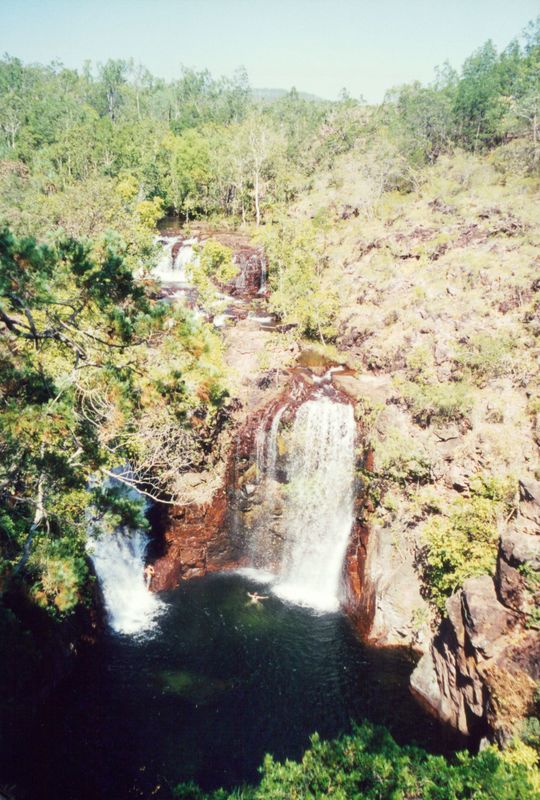
In Australia’s tropical north is the city of Darwin, and alongside it the Kakadu and Litchfield national parks and areas with waterfalls, wetlands, wildlife and rich Aboriginal culture. The seasons here are very different from those of southern Australia, so it’s especially important to plan the timing of your visit accordingly.
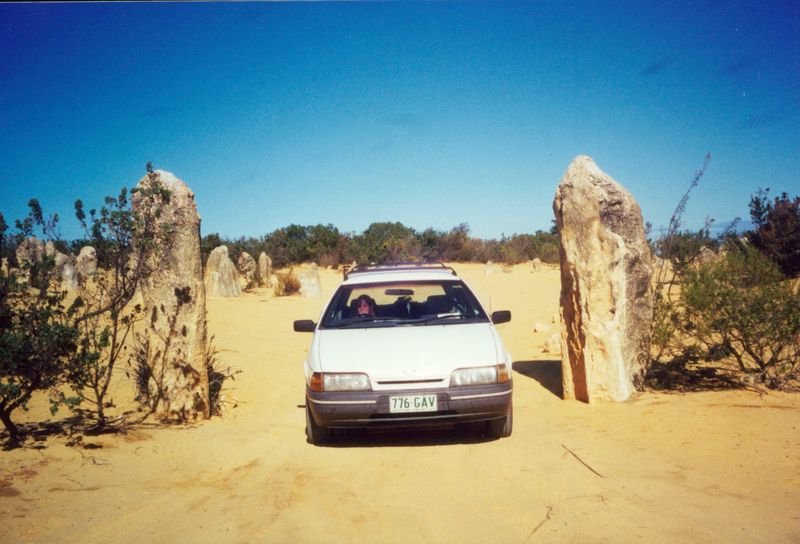
Western Australia is perhaps the region least familiar to first-time travelers, but it’s vast and impressive. Perth is the main big city, and from there you can head south to the Margaret River region, known for its wineries, beaches and small towns, or north along the coast to much wilder areas like Ningaloo Reef. Animal lovers should definitely come here, because along the coast of Western Australia you can watch the whale migration in the right seasons.
In South Australia is Adelaide, the state capital, a big city with a small-town feel. Adelaide is surrounded by several of the country’s well-known wine regions, and can serve as a base for trips to them, to the beaches, and to Kangaroo Island.
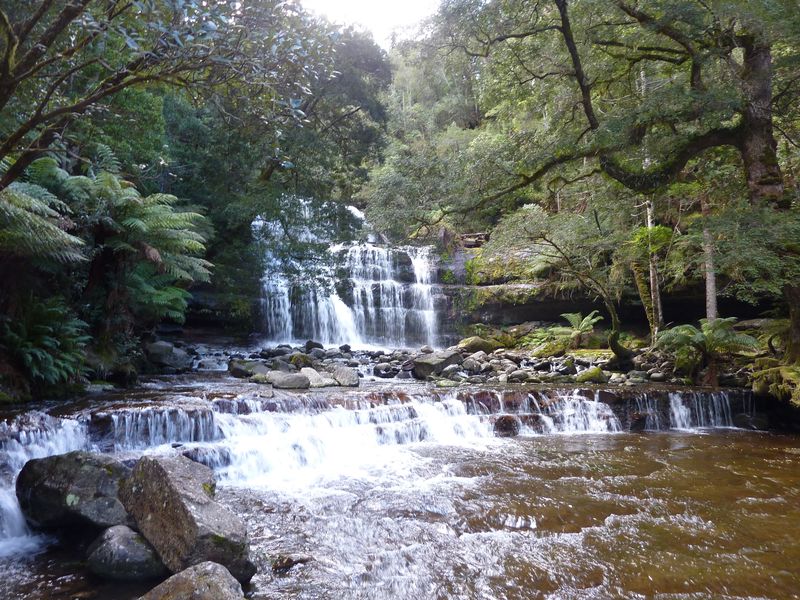
And then there’s Tasmania, which some people call ‘Australia’s New Zealand’. The big island south of Australia offers green landscapes, mountains, lakes, national parks and roads that are perfect for a road trip. Because of its location the winter there is harsh, so you need to time your visit well. And don’t forget that the Australian winter is the Northern Hemisphere’s summer!
When is the best time to fly to Australia?
Australia is so big that at exactly the same time there can be great weather in one region and less pleasant weather in another. The advantage: you can travel there almost all year round; you just need to match the itinerary to the season. In the south of the country there are four fairly distinct seasons, and as mentioned, they are the opposite of the Northern Hemisphere’s: summer is December to February, and winter is June to August. In the tropical north, on the other hand, people talk more about a dry season and a wet season.
In the Sydney, Melbourne, Adelaide and South Australia region, spring and autumn are usually very comfortable times to travel. Summer suits those who love heat, beaches and a holiday atmosphere, but it’s also a busier period, especially around Christmas and the local summer school holidays.
In the north, including Darwin and parts of northern Queensland, the dry season from roughly May to October is usually the more comfortable period. In the wet season it’s hot and humid, and there can be heavy rain, floods and even cyclones.
For a trip to the desert and Uluru it’s also worth thinking carefully about the season. In summer temperatures can be very high, so the cooler months are usually more comfortable for trips in nature.
And what about Tasmania? There, in fact, the Australian summer, from December to February, is usually the most sought-after time, thanks to long days and weather that is more comfortable for hiking.
In short, before deciding when to fly to Australia, it’s worth first deciding where you want to travel. And if the itinerary includes several different regions, sometimes you need to find a compromise that gives reasonable weather in all of them, rather than looking for the perfect season that doesn’t really exist.
How long should you spend on a trip to Australia?
Once you understand how big Australia is, it’s fairly obvious why a week in Australia is a bit like arriving at an all-you-can-eat restaurant, eating a bread roll and going home. You can do it, but it’s a shame. If you’re coming from far away, and considering the time and cost of the flight, a trip of less than two weeks is not recommended, and longer is better. In two weeks you’ll need to choose carefully the regions you focus on, and what’s certain is that you’ll leave wanting more. In two weeks you can, for example, combine Sydney and Melbourne with a drive along the Great Ocean Road, or focus on the east coast and combine Sydney with Queensland and the Great Barrier Reef.
Three weeks already allow you to build a more varied itinerary, combine several regions and use domestic flights to skip the big distances. On a trip like that you can, for example, combine Sydney, Melbourne and Cairns, and perhaps add a few days at Uluru.
If you have a month or more, that’s a completely different trip. You can devote more time to road trips, which are one of the great joys of Australia, add Tasmania or less-touristy regions, and even leave some room for spontaneity. That said, even in a month it’s neither advisable nor possible to try to see all of Australia. It’s better to choose a few regions that suit you and give them the time they deserve.
Later in the article you’ll find a few suggested itineraries by trip length, which will help you understand what you can really combine without turning the holiday into a race.
How to get to Australia
From Europe and the Middle East there are no nonstop flights to Australia, so you’ll be flying with at least one stopover. And it also matters a lot where you want to arrive, because you can land in Sydney, Melbourne, Perth, and a variety of other places on the giant continent. Places that usually serve as classic stopovers on the way to Australia are Dubai, Doha, Bangkok, Singapore and Hong Kong. And if you have time, you can certainly turn some of the places along the way into a few days of holiday. Just remember that the more creative an itinerary you build with separate tickets, the more important it is to leave big gaps between flights and not gamble on too tight a connection.
Many travelers choose to fly to Sydney or Melbourne, but be careful not to automatically book a return flight from the same city. If the itinerary starts, say, in Sydney and ends in Melbourne or Cairns, it’s worth checking a multi-city ticket: landing in one city and returning from another. Sometimes the price is slightly higher, but it can save an unnecessary domestic flight or an extra night in a hotel.
Perth can also be an interesting entry point, especially if you’re planning to travel in Western Australia. Geographically it is significantly closer to Europe, the Middle East and Asia than the east-coast cities, so on certain routes you can reach it in a shorter total time.
Remember that the great distance to Australia is not only a disadvantage, but also an advantage: there are so many options for stopovers and arrival cities that you can tailor the way there and back exactly to your itinerary. This is the place for creativity!
For a detailed comparison of the routes, read our guide How to fly to Australia.
In any case, and no matter how you decide to fly, my unequivocal recommendation is to use the international flight search engine Skyscanner to find the cheapest flight that suits you best.
Why is Skyscanner the best place to search for flights? Because it has a convenient interface and allows flexibility in the search. You can search for a flight to ‘anywhere’, without defining a specific destination, and on non-specific dates. And you also get the flight prices in a monthly table, so you can choose the cheapest flight in that month.
And before you start the search itself, click here for our guide to an easy search on Skyscanner. Here you’ll get all the information that will help you understand how to search precisely for your needs and understand the results.
Do you need a visa for Australia?
Yes, and it’s worth dealing with it well in advance. Apart from citizens of Australia and New Zealand, everyone needs a visa or an electronic travel authorization. Citizens of the EU and several other European countries can apply online for the free eVisitor (subclass 651); citizens of the US, Canada, the UK, Japan, South Korea, Singapore and some other countries can apply for an ETA (subclass 601) through the official app; most other nationalities apply for the Visitor visa, subclass 600. As of 2026 its fee starts at 250 Australian dollars, and it can allow a stay of up to 12 months. The application is made online through the Australian immigration system, and the visa is linked electronically to your passport, so you don’t get a sticker or a special stamp in the passport itself. As part of the application you may be asked for documents showing that the purpose of the visit is tourism and that you have the means to fund your stay. Processing times vary, so as mentioned, it’s not advisable to wait until the last minute. In addition, the exact visa conditions can change, so before applying it’s worth checking the up-to-date information on the official website of the Australian Department of Home Affairs.
Important tip: if you hold more than one passport, it’s worth checking which of them makes entering Australia easier. eVisitor and ETA are electronic travel authorizations intended for holders of passports from certain countries, and their application process is usually simpler than the regular tourist visa. You can check your eligibility by passport in the official Visa Finder of the Australian Department of Home Affairs, which shows which visa types may suit you according to your citizenship and the purpose of your trip.
How do you get around Australia?
In Australia the way you get around is a significant part of planning the itinerary. On the one hand, it’s a country that calls for a road trip: long roads, open landscapes, small towns and lots of places where the road itself is part of the experience. On the other hand, the distances here really are enormous, so not every line connecting two points on the map should be done by car.
Car rental
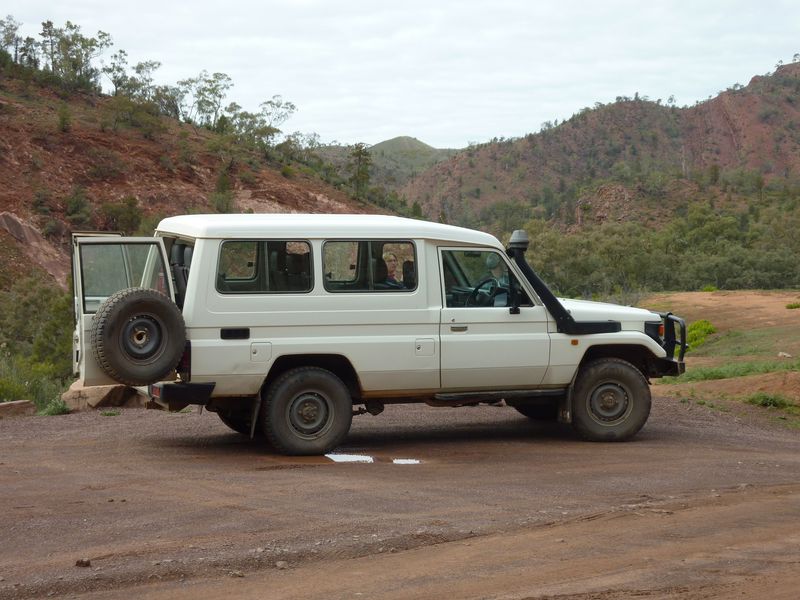
On most trips in Australia it’s worth including at least a few days with a rental car. Before renting a car in Australia it’s worth, even more than elsewhere, checking the rental conditions, the insurance, the mileage limit if there is one, the fuel policy and whether you’re allowed to drive the car on unsealed roads. Because in Australia the distances are big, some places are relatively isolated, and many roads are more outback dirt track than city highway.
A rental car can fit into your trip in several ways: as a way to move between relatively distant places, as a way to go on day trips from a main city, and also as part of the experience itself, on a road trip where you move from place to place. Despite all the warnings written above, driving in the Australian wide-open spaces is usually a wonderful experience, with lots of nature all around.
In any case, the most important rule in car rental: the earlier you book, the cheaper the price, and the wider the range of cars you’ll have to choose from. Also, when you book the car in advance you save all the headache and hassle during the trip of comparing prices and looking for a reliable rental agency. Personally, I prefer to search for cars onthe Paapm Paapm website. It’s a car rental search engine, and about all its advantages I wrote here.
An equally important rule: don’t skimp on suitable insurance that covers everything you need! How do you do that? We wrote a whole article with tips for renting a car abroad that we recommend reading.
Important tips for driving in Australia
First of all, remember that in Australia you drive on the left. It sounds simple until you reach the first roundabout, so in the first few days it’s worth being a bit more focused than usual.
Outside the cities it’s worth planning fuel in advance too. In remote areas there can be very long distances between stations, so don’t wait for the warning light to come on before you start looking for somewhere to fill up. It’s also recommended to check in advance whether the route includes unsealed roads, because not every rental contract allows you to drive on them.
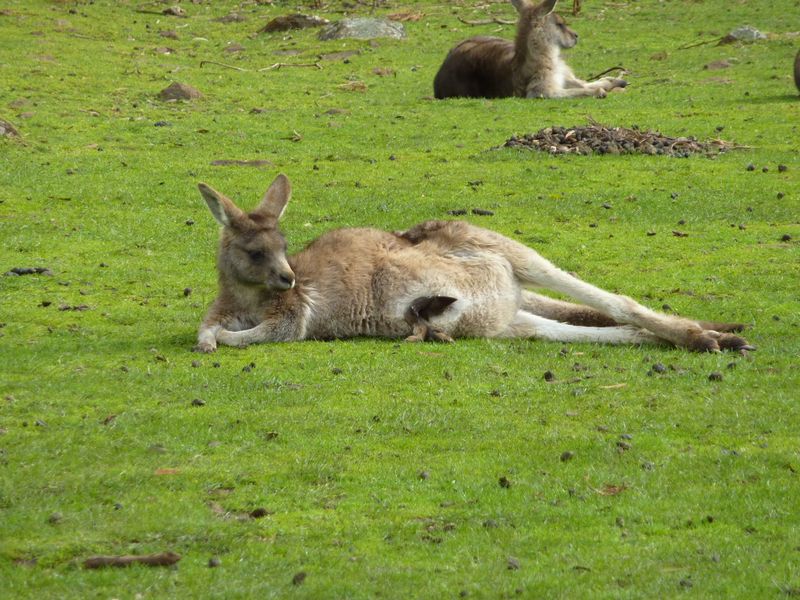
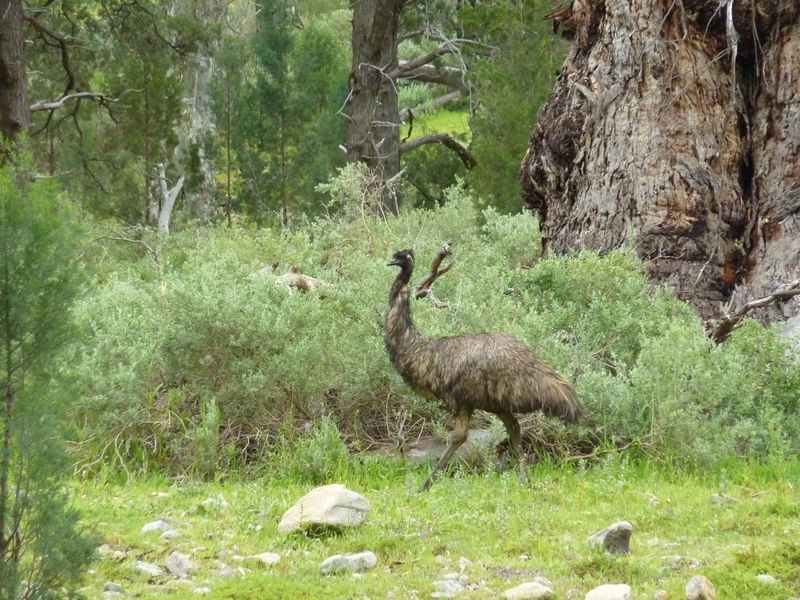
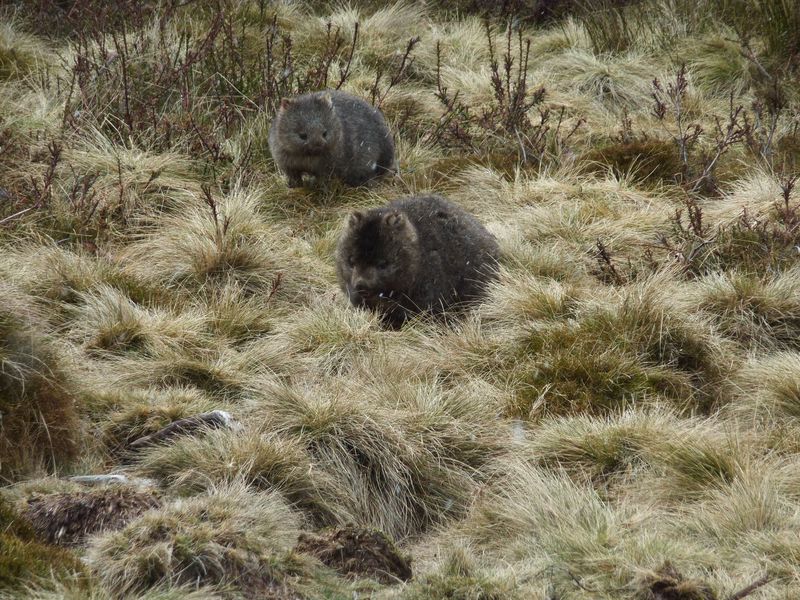
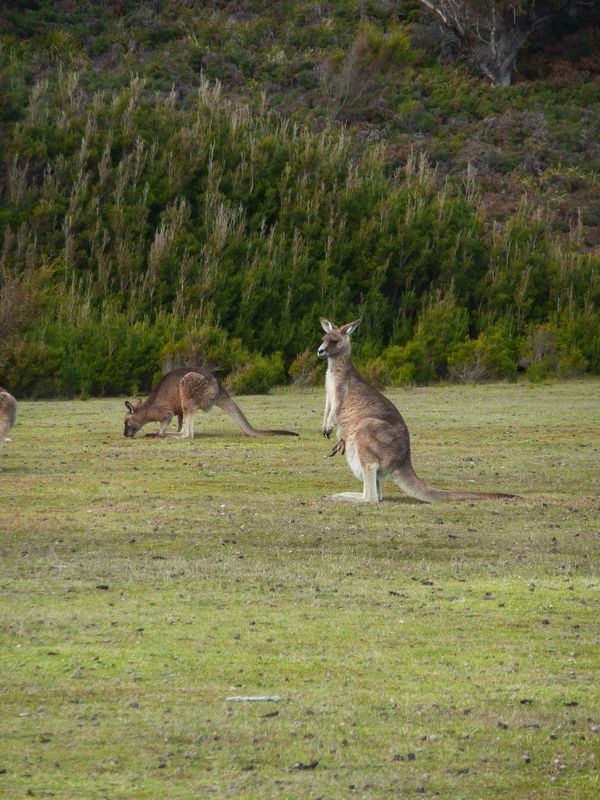
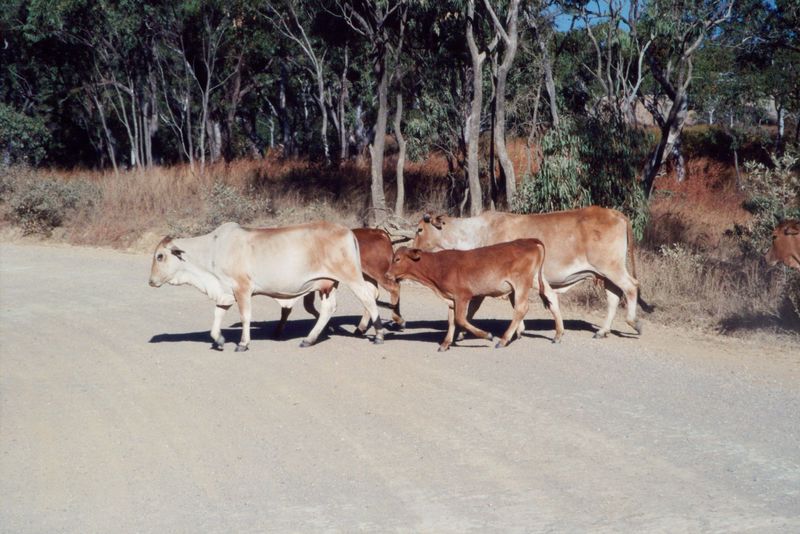
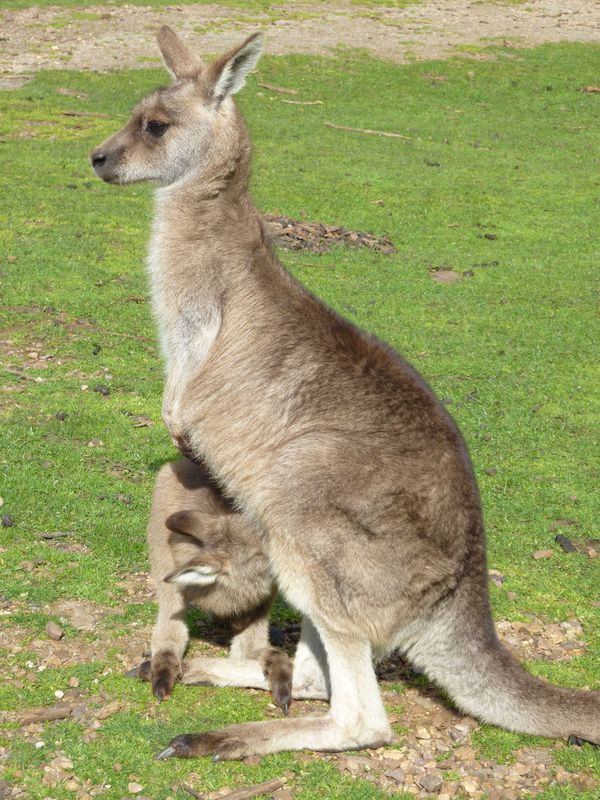
Another thing you need to get used to is the wildlife. Kangaroos, wombats and other animals can come onto the road, especially around sunrise and sunset, so in rural and remote areas it’s best to avoid driving in the dark as much as possible.
And what about a campervan?
If you’ve always dreamed of opening a door in the morning and waking up facing a beach or a forest, Australia is definitely a place to fulfil that fantasy. Campervan travel is very popular and particularly suits those planning a long road trip who want to combine the driving and the accommodation.
Note: a campervan is not necessarily cheaper than a combination of a car and hotels. You need to factor in the rental price, fuel, insurance and overnight fees at holiday parks, and also remember that you’re driving a bigger vehicle. So it’s worth choosing it because you love that style of travel, and not just on the assumption that it will save money.
Domestic flights: sometimes it simply makes more sense
When you need to move between distant regions, a domestic flight in Australia can save precious trip time. To illustrate: a flight from Melbourne or Brisbane to Sydney takes about an hour and a half, while driving between Sydney and Melbourne takes around nine hours and between Sydney and Brisbane about ten hours. From Perth to Sydney it’s already a flight of more than four hours, which gives a good idea of the size of the country.
So on a two- or three-week itinerary it’s usually worth combining domestic flights with a rental car: fly between the distant regions, and in each region take a car and go exploring. In cities like Sydney and Melbourne, on the other hand, you don’t always need a car at all. Public transport is good, and in the city centers a car will mainly give you the authentic Australian experience of looking for parking and paying for it.
Recommended itineraries for a trip to Australia by the time you have
So how much can you fit into two weeks, three weeks or a month? Quite a lot, as long as you don’t try to see all of Australia in one trip. Of course there’s no single itinerary that suits everyone, and the season you come in has a big influence on the choice. But here are a few ideas that can serve as a starting point for planning.
Two weeks: choose a region and get to know it properly
On a two-week trip it’s usually better not to try to cross Australia from end to end, but to choose one or two regions that suit the season and your style of travel.
For a first, classic trip you can focus on the south-east of the country. You can devote four or five days to Sydney and the nearby Blue Mountains, fly to Melbourne, spend a few days there and then rent a car and set out on the Great Ocean Road. It’s an itinerary that gives a taste of the big cities alongside beaches, nature and a road trip, without wasting too much time moving from place to place.
If you’ve always dreamed of reaching the Great Barrier Reef, you can focus on a trip along the east coast: start with a few days in Sydney, continue to Brisbane or the Gold Coast, and from there reach Cairns or Port Douglas and combine a cruise to the reef with a trip through rainforests and tropical beaches. Because of the long distances along the coast, you can include a domestic flight and don’t have to turn the whole route into a road trip.
But those are definitely not the only options. Two weeks can also suit a focused trip in Western Australia. You can start in Perth, devote a few days to the city and its surroundings, continue to Margaret River and the beaches of the south-west of the state, and depending on the season and time add another region along the coast. It’s an itinerary for those who prefer nature, wineries, beaches and open spaces over the big cities of the east coast.
Tasmania can also easily fill two whole weeks, especially if you love road trips, national parks, hiking trails and small towns. In that case you don’t have to try to add it to another itinerary in Australia at all. It can be THE trip.
Three weeks: combining several regions
Three weeks already give you more freedom to connect two or three different regions, without the whole trip turning into a sequence of airports.
For a varied first trip you can start in Sydney, continue to a few days in Central Australia and Uluru, fly to Cairns to see the Great Barrier Reef and finish in Melbourne and on the Great Ocean Road. It’s an itinerary that brings city, desert, beaches, rainforests and reef into the trip, but bear in mind that it relies quite a bit on domestic flights.
A more relaxed option is to devote a large part of the trip to a road trip in the south-east: start in Sydney, drive along the coast towards Melbourne with stops on the way, devote a few days to Melbourne and the Great Ocean Road, and then add another region that couldn’t comfortably fit into a two-week trip. For example, fly to Tasmania for a week, or add a few days in Adelaide and the wine regions of South Australia.
If Western Australia is what attracts you, three weeks allow you to build a substantial trip there in its own right. You can start in Perth, continue south to Margaret River and the coastal areas, and then devote the second part of the trip to the north-west, depending on the season. In the west the distances from one point of interest to the next are especially big, so three weeks give far more room to plan without rushing, compared with two.
Northern Australia can also become the center of a trip like this, mainly in the dry season. You can combine Darwin with the Kakadu and Litchfield national parks, and then continue by plane to another region, for example Cairns and northern Queensland. That gives you a trip with a more tropical character, lots of nature and wildlife, and less of the classic Sydney-and-Melbourne route.
In other words, in three weeks you don’t necessarily have to ‘fit in more’ than the two-week itinerary. You can also choose a less classic region, go deeper into it, or connect another region to it in a way that wouldn’t have made sense on a shorter trip.
A month or more: leaving room for spontaneity
If you have a month or more, all of Australia is open to you. Instead of choosing only between a few must-see points, you can combine more distant regions, devote time to a real road trip, and also leave room for days when you simply don’t feel like going anywhere.
You can, for example, build a trip that starts in Sydney, continues to Queensland and the Great Barrier Reef, passes through Uluru and Central Australia, and ends in Melbourne, the Great Ocean Road and Tasmania. It’s a very varied itinerary, with cities, desert, beaches, rainforests and wild nature, but here too you need to use domestic flights and not try to do it all by car.
Another option is to devote a significant part of the trip to a longer road trip. For example, drive along the coast between Sydney and Melbourne at a relaxed pace, continue to the Great Ocean Road, Adelaide and the wine regions of South Australia, and then add a flight to another region like Tasmania or Uluru. The advantage of a month-long trip is that it lets you stop along the way at places that on a short trip you have no choice but to skip.
Another option: Western Australia, to which you can certainly devote a whole month without being bored for a moment. You can start in Perth and Margaret River, continue north along the coast, and on a longer route also reach the Ningaloo Reef area and more remote, wild regions.
Northern Australia also fits much more easily into a long trip. In the right season you can devote time to Darwin, Kakadu and Litchfield, continue to Cairns and northern Queensland, and then fly south to one of the other regions of the country.
And if you have six weeks, two months or more, you don’t have to use the time to squeeze in more and more places. You can actually slow down. Stay a few extra days in a town you loved, do a road trip without a tight schedule, go back to a beach you found by chance, and give the trip a little room to evolve as you go.
On a really long trip, it’s also the time to consider including regions that people get to less on a first, short trip, like Western Australia, the Top End (the northern part of the Northern Territory) or Tasmania. Australia richly rewards those who don’t rush!
Buying tickets for attractions and activities in Australia
Many of the best attractions in Australia are not necessarily a place you simply arrive at and buy a ticket at the entrance. Sometimes it’s a cruise to the Great Barrier Reef, a day trip to a national park, or a wildlife-watching tour. The popular ones fill up fast, so I always book in advance at least the activities that are especially important to me, so as not to discover that the only day that fits my plan is already full.
I prefer to book activities and tickets for attractions through the GetYourGuide, Tiqets and Klook websites, which bring together tickets, tours and activities in a variety of destinations, including Australia, in one place. That way you can compare the options, read reviews from other travelers and see in advance what’s included in the price. In many cases there are also cancellation or change options, but of course it’s worth checking the conditions of each booking separately.
So what’s worth putting on the list? Here are some of the most outstanding attractions and experiences in Australia.
Sydney and surroundings
In Sydney you can of course visitthe Opera House on a guided tour, and if you’re not afraid of heights, also climb the Harbour Bridge. If you prefer a less scary way to see the view, you can go on a harbour cruise, and in the migration season there’s also a whale-watching cruise. Outside the city, a guided day trip to the Blue Mountains is an excellent way to see some nature without driving.
Melbourne and Victoria
From Melbourne you can go on a guided day trip along the Great Ocean Road and see, among other things, the crowning glory, the Twelve Apostles. Another thing I wouldn’t give up is a trip to Phillip Island for the penguin parade. In Melbourne itself, it’s worth booking tickets for the Melbourne Skydeck observation deck, which is 285 meters up and gives an excellent view over the city.
Cairns, the reef and northern Queensland
Here nature is the main attraction. From Cairns you can go on a day of snorkeling and diving on the Great Barrier Reef, or a guided tour of the Daintree Rainforest and Cape Tribulation. If you continue south to the Whitsunday Islands, you can also add a cruise to Whitehaven Beach, one of the most famous beaches in the region.
Central Australia and Uluru
Uluru is one of the places where it’s especially worth taking a guided tour, because the experience is not only seeing the rock but also understanding its cultural significance for the Indigenous people. You can book a tour of Uluru that includes the sacred sites and sunset, or a sunrise tour of Uluru followed by a hike at the no less beautiful Kata Tjuta. And for those who want to see the desert from a slightly different angle, there’s also a scenic flight over Uluru and Kata Tjuta.
Adelaide and South Australia
One of the outstanding experiences in South Australia is Kangaroo Island, which you can visit on a day trip from Adelaide that includes the ferry. The island is known for wild landscapes and wildlife living in a natural environment, and it particularly suits those who want to add nature to a trip that starts in Adelaide. Wine lovers can also leave Adelaide for a tasting day in the Barossa Valley, including visits to several wineries and lunch.
Perth and Western Australia
If you come to Perth, one of the places you simply must visit is Rottnest Island. The island is home to a population of quokkas, small, cute marsupials, like a kangaroo but the size of a cat! To get to the island, it’s worth booking a return ferry from Perth or from Fremantle, or and you can book a package that combines the ferry and bicycles, which are the most popular way to tour the island.
Darwin and northern Australia
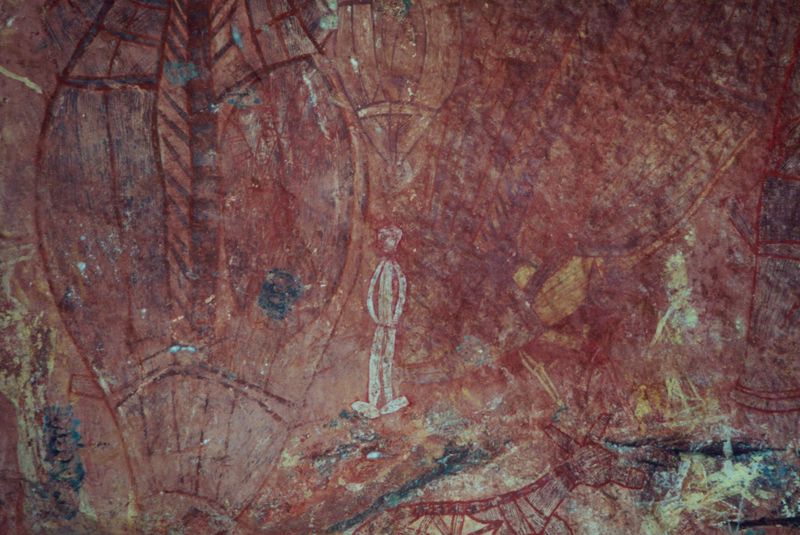
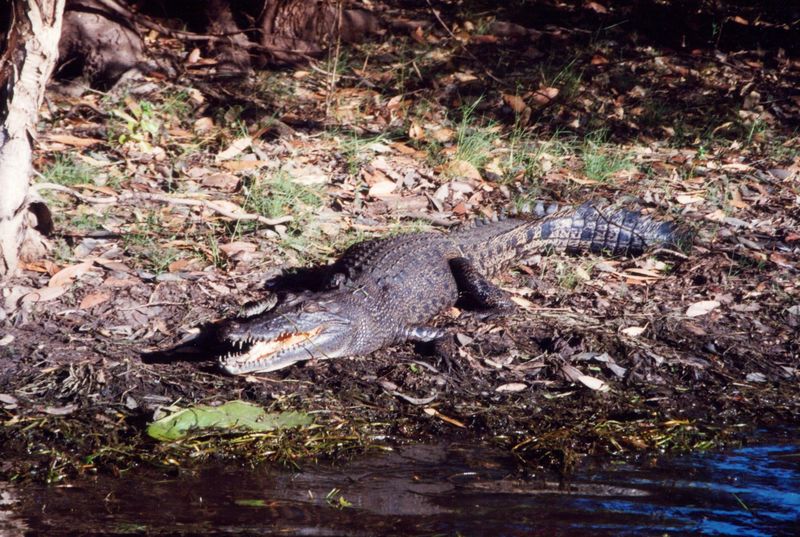
You’ve presumably come all the way to Darwin to visit the nearby parks. You can join a day trip to Kakadu that combines Aboriginal rock art, landscapes and wildlife, or choose a trip to Litchfield National Park that combines waterfalls and a crocodile-watching cruise. If you have a long free day and want to go even further afield, you can also go on a trip to Katherine Gorge and Edith Falls, which includes, among other things, a cruise inside the gorge and landscapes completely different from those of Kakadu and Litchfield.
Tasmania
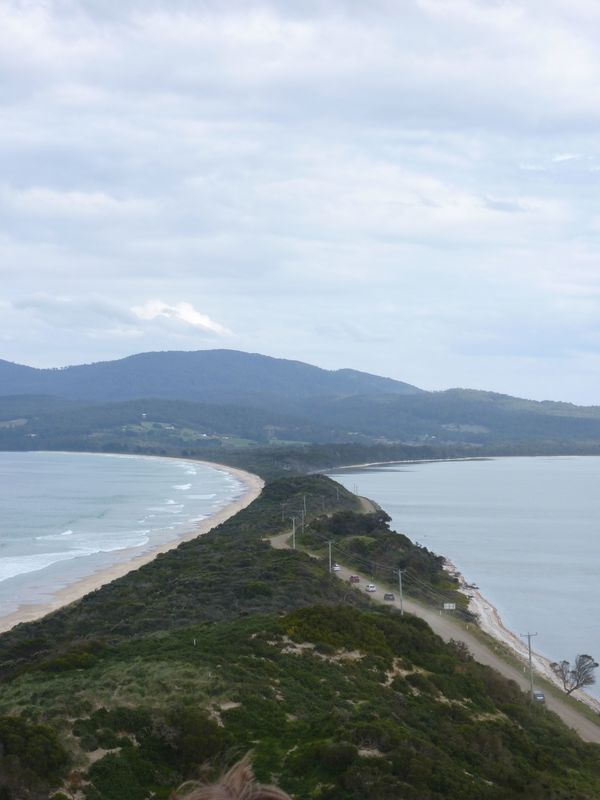
In Tasmania you can of course travel very well independently with a car. But there are places where the roads are not the most convenient, and if you’re staying in Hobart, the capital, and want a trip into nature, you can go on a day trip to Bruny Island, home to one of Tasmania’s most famous lookouts. And to see the no less famous Tasmanian devil up close, join a tour at the sanctuary at Cradle Mountain.
All of these are of course just examples. On each of the sites you can search by the city or region you’re traveling in and find more tours, tickets and activities that suit your itinerary.
Click here to go to the Tiqets website.
Click here for the Get Your Guide website.
Click here to go to the Klook website.
How much does a trip to Australia cost?
Australia is not an especially cheap destination, and since, unlike Europe for example, you don’t go there for just a few days, it’s very worthwhile to plan the budget in advance. As everywhere, here too there’s a huge gap between a trip staying in apartments and cooking for yourself and one with indulgent hotels, restaurants every evening and a helicopter flight over the reef.
The local currency in Australia is the Australian dollar (AUD). As of mid-2026, one Australian dollar is worth about US$0.65 or €0.60. In most places in Australia, including many remote areas, you can pay by credit card, and in most cases it’s also the most convenient means of payment. That said, I always recommend holding some cash too, for an emergency, for a small business that doesn’t accept your card, or in case your credit card decides, right in the middle of the trip, that it’s not going to cooperate.
Tip: ATMs are everywhere in Australia, and card payments (including contactless) are accepted almost everywhere. Exchange a small amount of cash before you fly, or withdraw some from an ATM when you land.
According to data based on the actual spending of travelers, mid-range travelers spend on average around 260 Australian dollars per person per day, while low-budget travelers can manage on around 100 Australian dollars a day. Of course these are only orders of magnitude.
One of the most significant items is accommodation. According to Australia’s official tourism website, a boutique hotel can cost around 250 Australian dollars a night, while with deals and in simpler places you can also find rooms in the region of 100 to 200 Australian dollars a night. In big cities, in peak seasons and in areas where accommodation options are limited, prices can of course be much higher.
Food can also be a sizeable expense. As of 2026, a simple meal in a restaurant costs on average around 25 Australian dollars per person, and a 3-course meal for two in a mid-range restaurant around 120 Australian dollars. So if you’re staying in an apartment or somewhere with a kitchen, combining restaurant meals with supermarket shopping and cooking for yourself can save you quite a lot.
Getting around is another item worth planning in advance. Renting a car can be very worthwhile when traveling as a couple or a family, but you need to add insurance, fuel, parking and sometimes one-way drop-off fees to the rental price. On the other hand, because of the enormous distances, it’s not always worthwhile or sensible to drive: sometimes a domestic flight will save two days of driving as well as accommodation and fuel on the way. Booking early can help you find better prices on domestic flights.
And then come the attractions. A lot of the nature in Australia can be seen for free or at low cost, but the big experiences are sometimes also a significant expense: a cruise on the Great Barrier Reef, a tour of Uluru, whale watching or a guided day trip can easily cost 100 to 200 Australian dollars per person, and sometimes much more. So it’s worth going over the itinerary in advance and deciding which experiences are must-dos for you, and building them into the budget from the start.
In the end, the best way to control costs is not necessarily to always choose the cheapest option, but to plan well. Book in advance the things that get expensive quickly, don’t drive hundreds of kilometers just to save a few dollars on a hotel, mix in apartments with a kitchen when it suits, and decide in advance which experiences are worth spending more on.
Where to stay in Australia?
In Australia the type of accommodation varies greatly between Sydney, a road trip in Tasmania, a beach in Queensland or a few nights in the middle of the desert. What’s certain is that it’s worth booking in advance at least the stays in the places that are important to the itinerary, especially in the busy seasons and in areas where the choice is smaller.
In the big cities like Sydney and Melbourne, location matters more than almost anything else. If you plan to spend most of your time in the city center, it’s usually better to choose a hotel within walking distance of the attractions or near good public transport, even if it costs a bit more. A rental car in the city centers doesn’t always add much to quality of life, and parking can be expensive and cumbersome.
Click here to search for hotels in Sydney.
Click here to search for hotels in Melbourne.
In Perth and Western Australia, and also in Adelaide and its surroundings, many travelers combine a few nights in the city with a rental car that lets them go on trips to the wine regions, the beaches and nature too. In that case you don’t have to look for one place for the whole period, but build the accommodation around the itinerary.
Click here to search for hotels in Perth.
Click here to search for hotels in Adelaide.
In nature areas and remote places it’s especially worth not booking at the last minute. At Uluru, in Tasmania, along popular road-trip routes and in remote areas of Western Australia, the number of accommodation options is more limited than in the big cities. Here I always prefer to lock in first the places where it really matters to me to sleep, and only then leave flexibility for the nights where there’s more choice.
And if you’re going on a road trip in Australia, it’s well worth getting to know the holiday parks. They are common almost all over the country, from coastal towns to remote areas, and they are definitely not only for people arriving with a campervan.
Alongside sites for campervans and tents, at many of the parks you can also book cabins or simple units, sometimes with a kitchenette and a private bathroom. In the parks themselves you’ll usually find facilities that are especially useful for anyone who has already been on the road for a few days, such as a shared kitchen, washing machines, showers, barbecue areas and sometimes also a pool and playgrounds for kids.
It’s also a very Australian experience: you finish a day of driving, cook something on the barbecue, do some laundry and continue the next day to the next destination. It’s not necessarily luxurious accommodation, but on a road trip, sometimes a comfortable, clean place with parking next to the room and a washing machine nearby is exactly the hotel you were looking for.
Want to fly with peace of mind? You can let the professionals plan
If you’ve got this far and you’re already holding 17 open tabs with flights, maps, cars, hotels and itineraries, you may have discovered that planning a trip to Australia is fun, but also quite a project. You need to decide which regions even make sense to connect, when it’s better to fly and when to drive, how much time to devote to each place and how not to waste a large part of the trip on unnecessary transfers. Those who would rather not solve this whole puzzle alone are welcome to use the experts:
Glander Travel Consulting specializes in planning trips to Australia and New Zealand and builds tailor-made itineraries. The idea is not to get a generic itinerary that everyone does, but to adapt the trip to the time you have, the season, the budget, the pace you like and the places that really interest you.
We wish you a wonderful trip to Australia, and we’d love you to write to us in the comments about how it was!