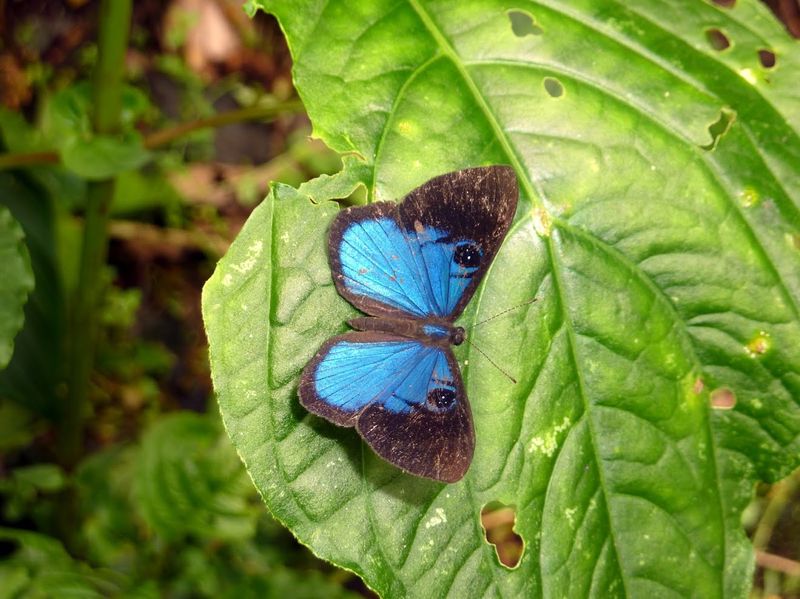
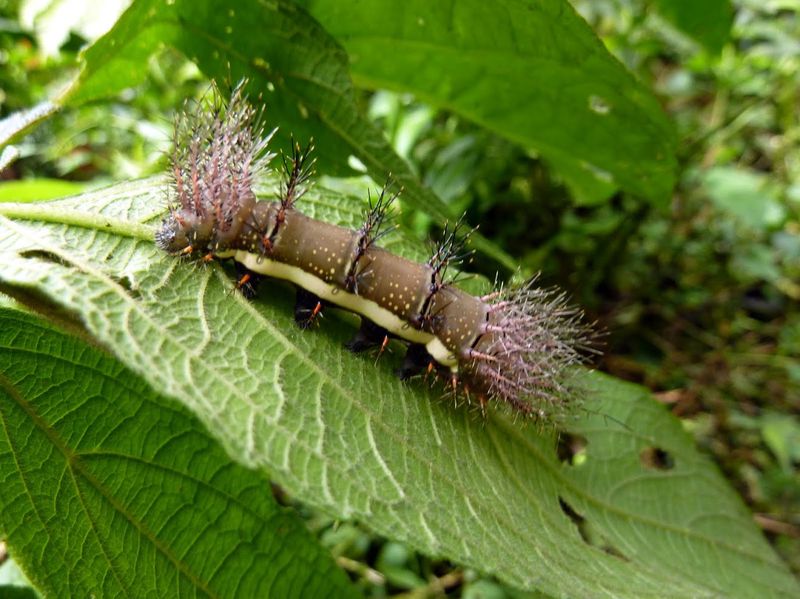
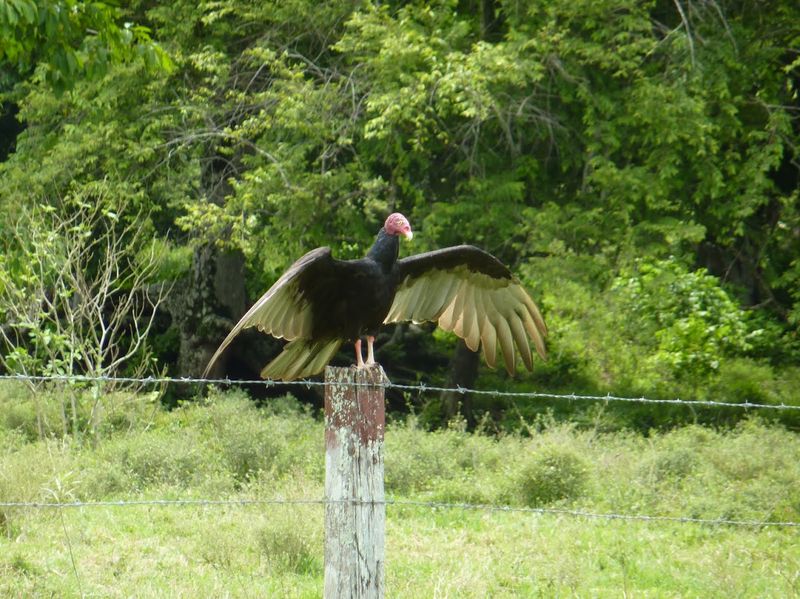
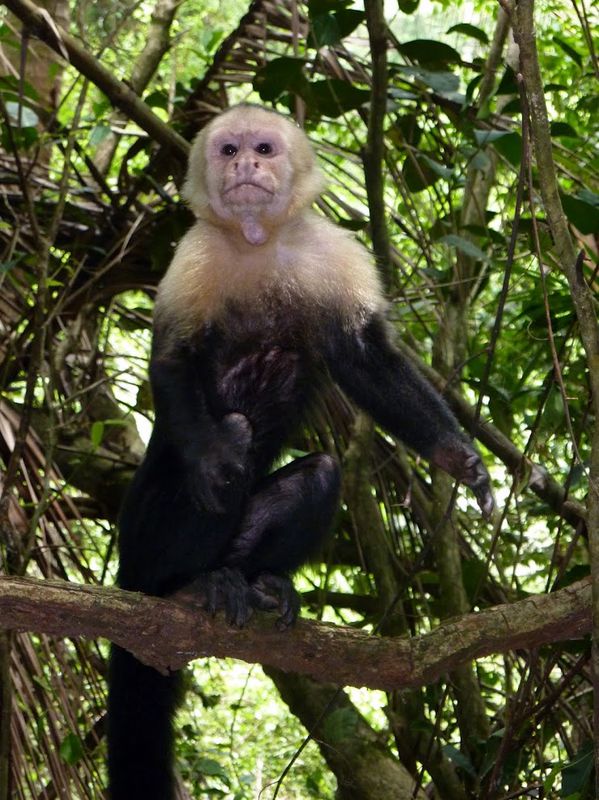
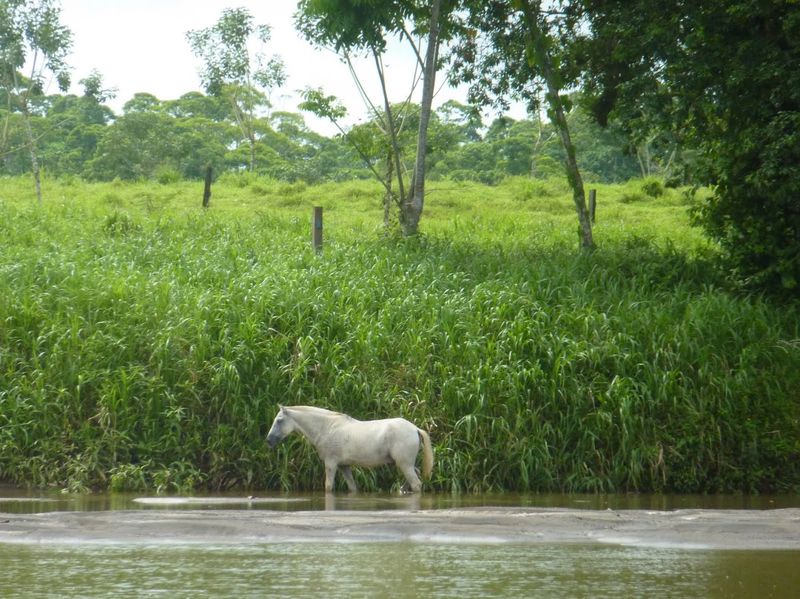
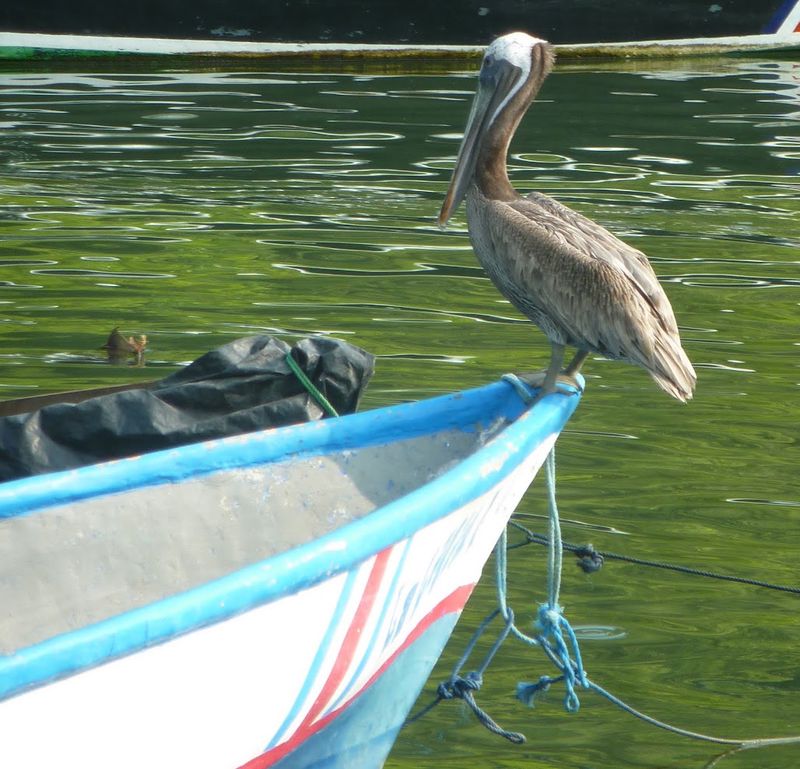
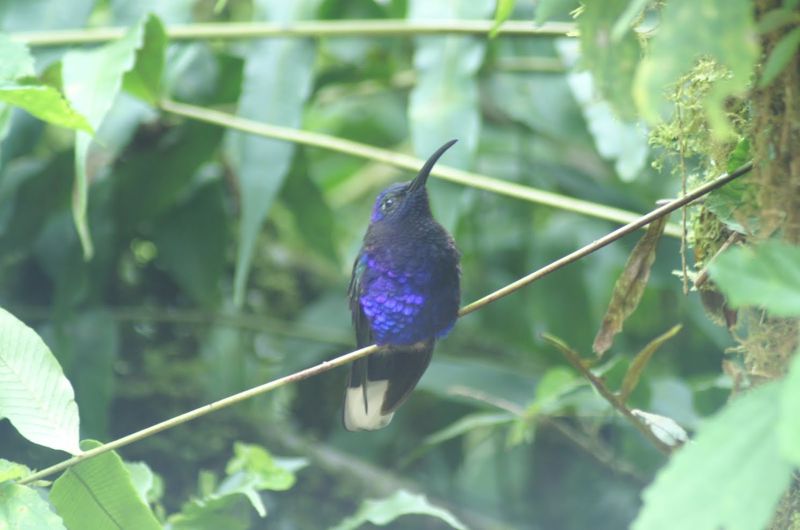
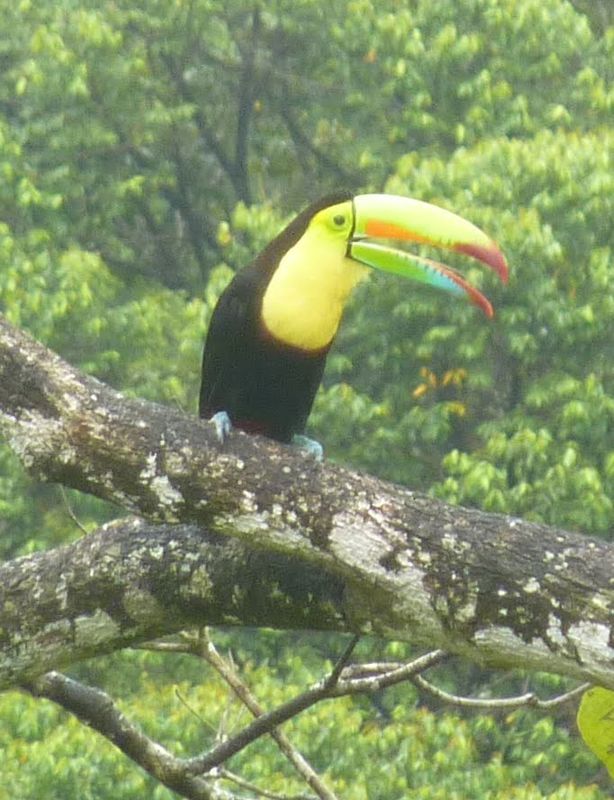
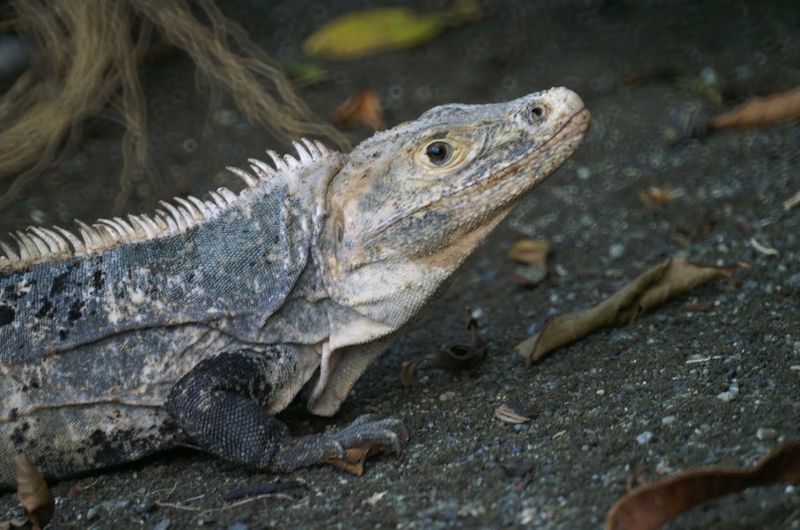
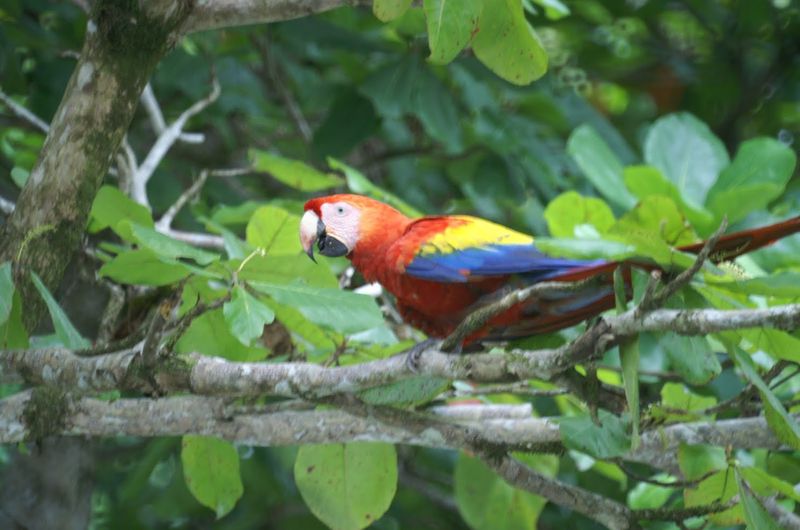
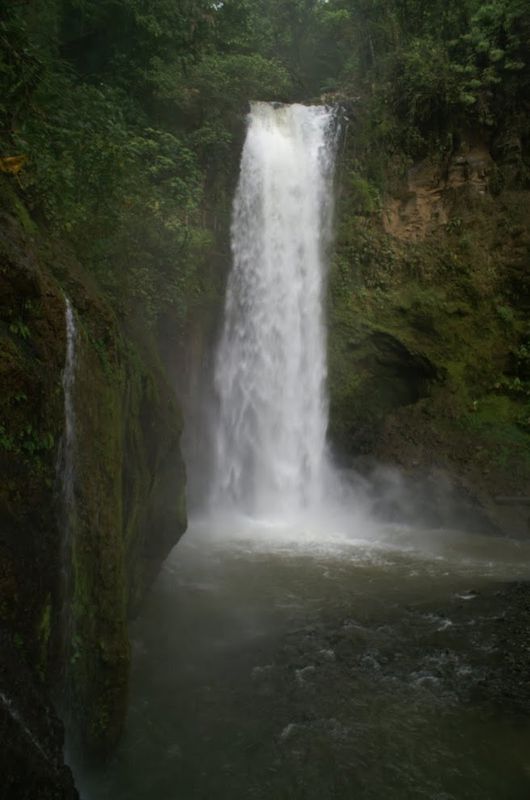
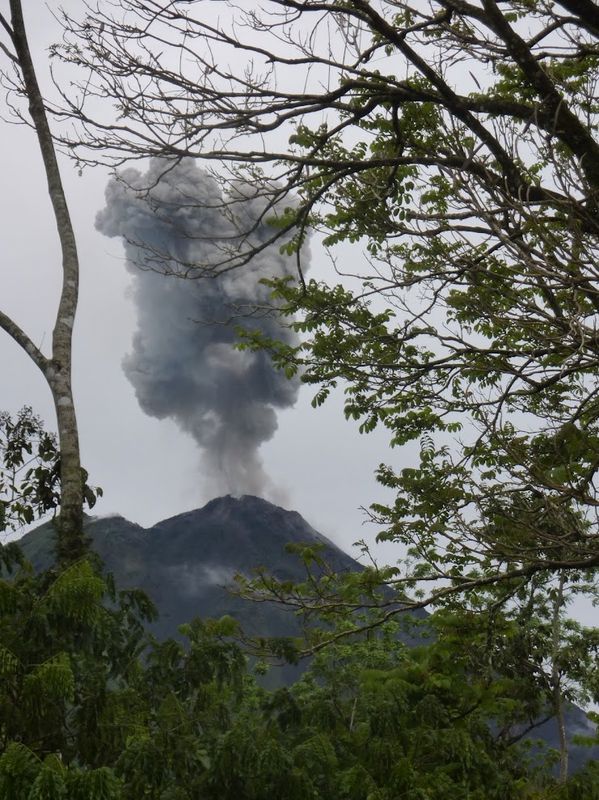
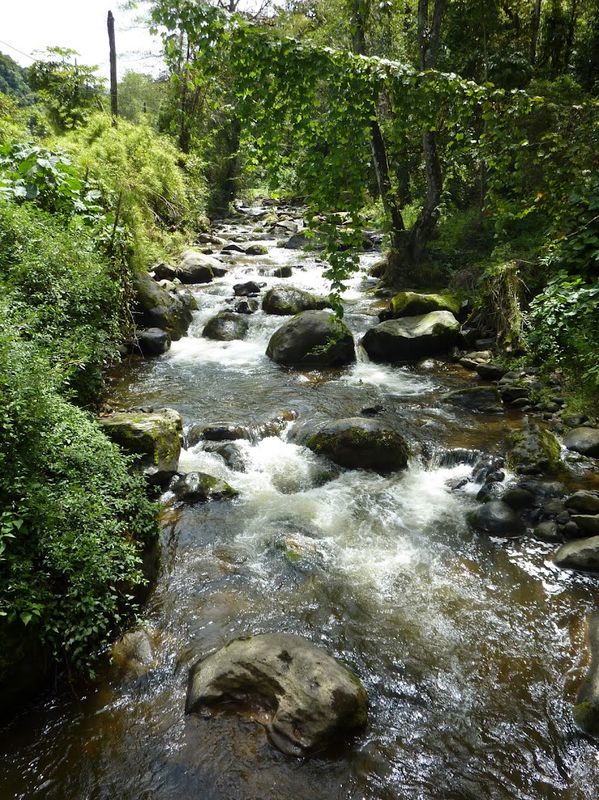
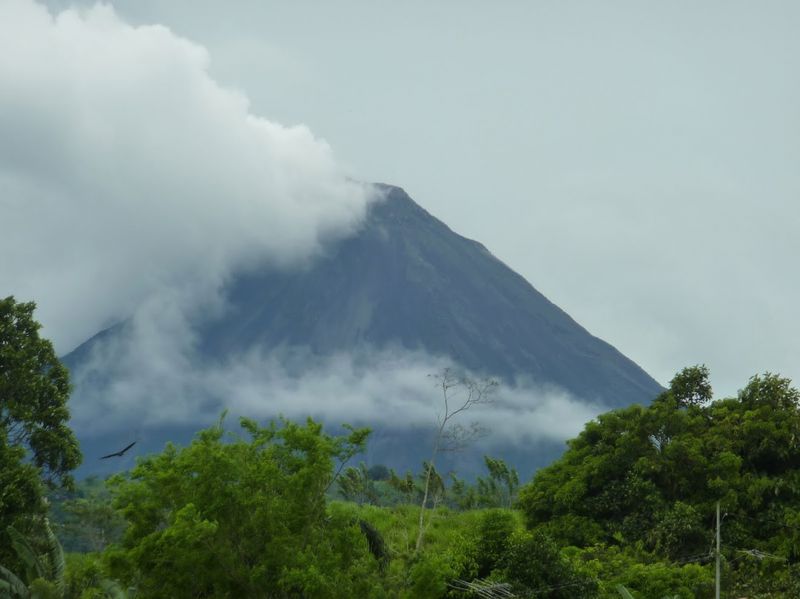
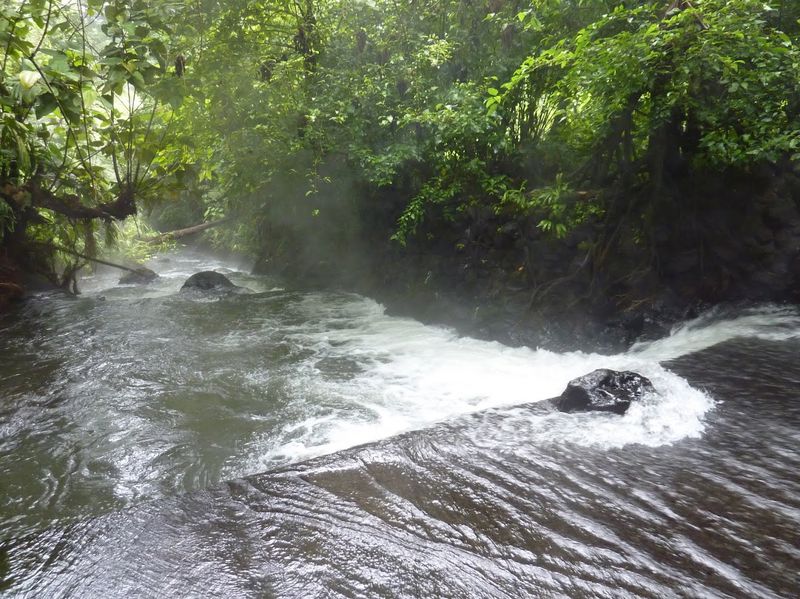
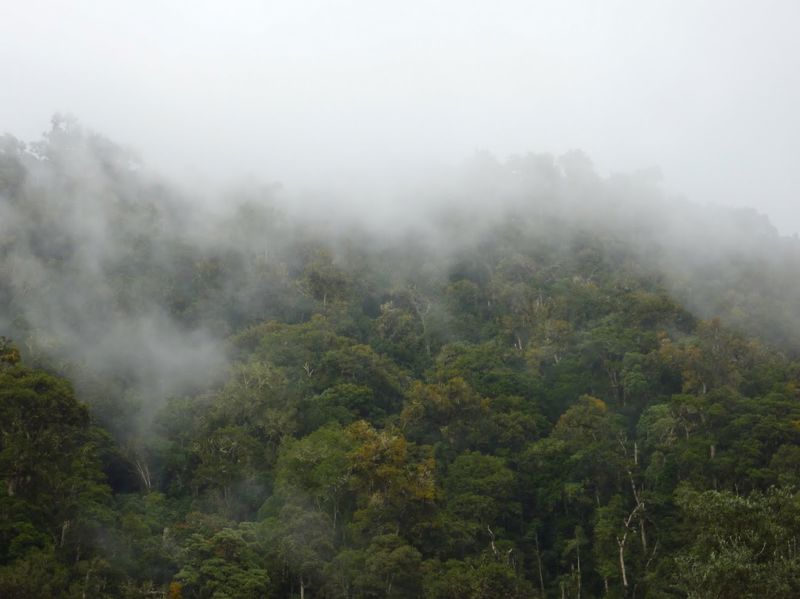
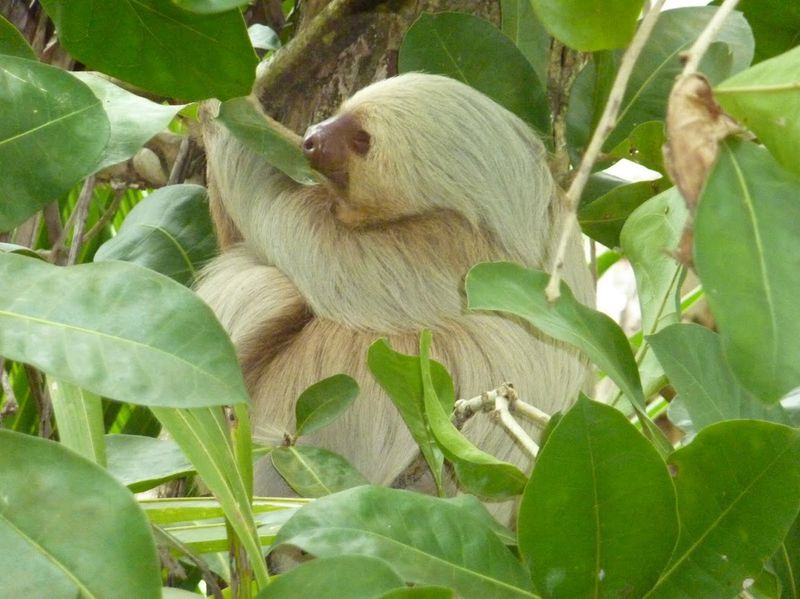
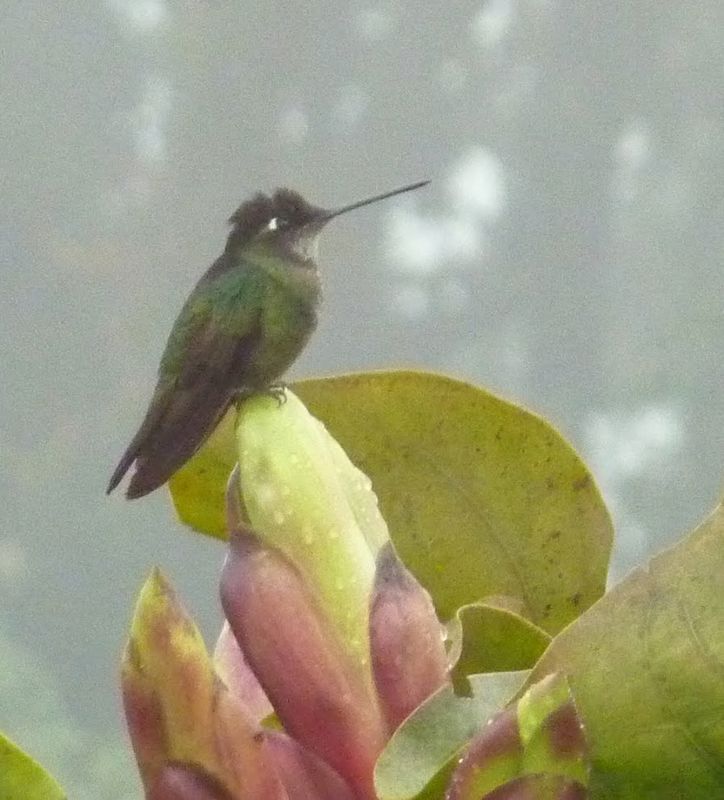
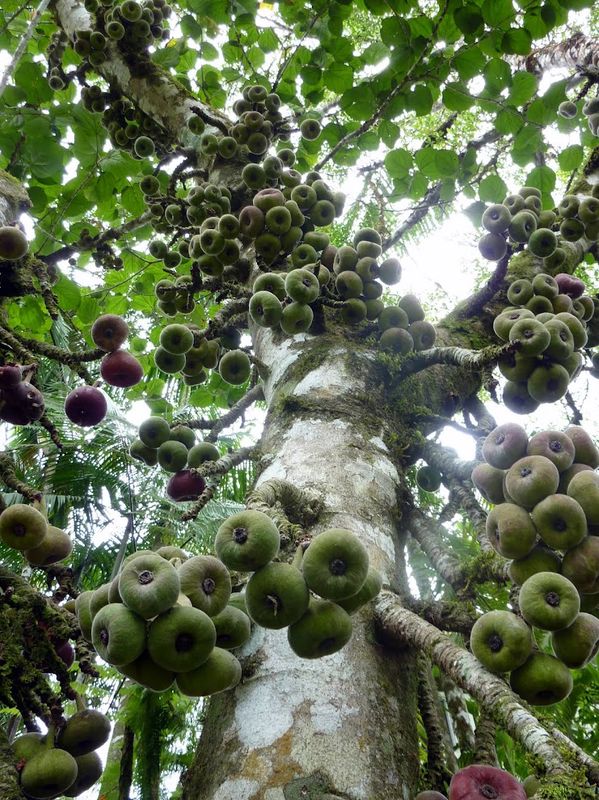
If there is one country where nature is the big star of the trip, it is Costa Rica. Here you wake up to the sound of monkeys, and you might even spot a sloth napping on a branch right above the trail. You soak in hot springs at the foot of Arenal Volcano, which looks like a perfect cone, and walk on hanging bridges between the treetops. And at the end of the day you sit on the beach and watch the sun set into the Pacific Ocean.
But to see all of this, you have to deal with a few challenges: there are so many places worth visiting, so how do you fit everything into one trip? How do you get around a country where not all roads are paved, and some are mountainous and winding? Add to that the fact that not every place has a proper address… And when should you travel to catch the best weather on both the western and eastern sides of the country?
To help you sort through all the options and plan the perfect trip to Costa Rica, we have gathered all the latest information into one comprehensive guide. Here you will find information on flights and the right season to visit, a detailed introduction to each region, tips for getting around and building an itinerary, and recommended itineraries for ten days, two weeks and three weeks. So make yourself a cup of Costa Rican coffee, and let’s start planning your trip to the land of pura vida!
In this post
Getting to know Costa Rica
In Spanish, the name Costa Rica means “the rich coast”. According to some sources, Christopher Columbus, who arrived here in 1502 on his last voyage, gave the country its name. It lies in Central America, between Nicaragua to the north and Panama to the south. Its area is about 51,000 km² (roughly the size of Bosnia and Herzegovina), and it has a little over five million inhabitants. The official language is Spanish, and the capital is San José, in the center of the country. You will hear the locals call themselves “Ticos”.
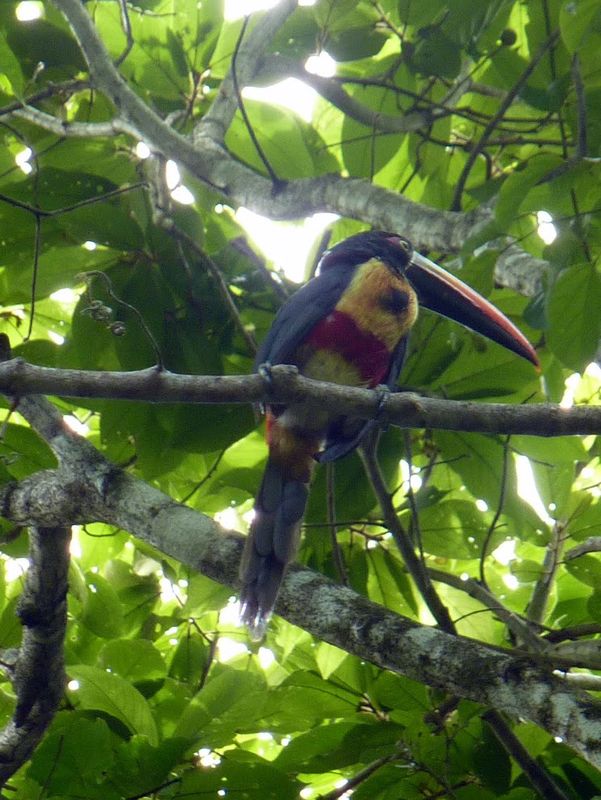
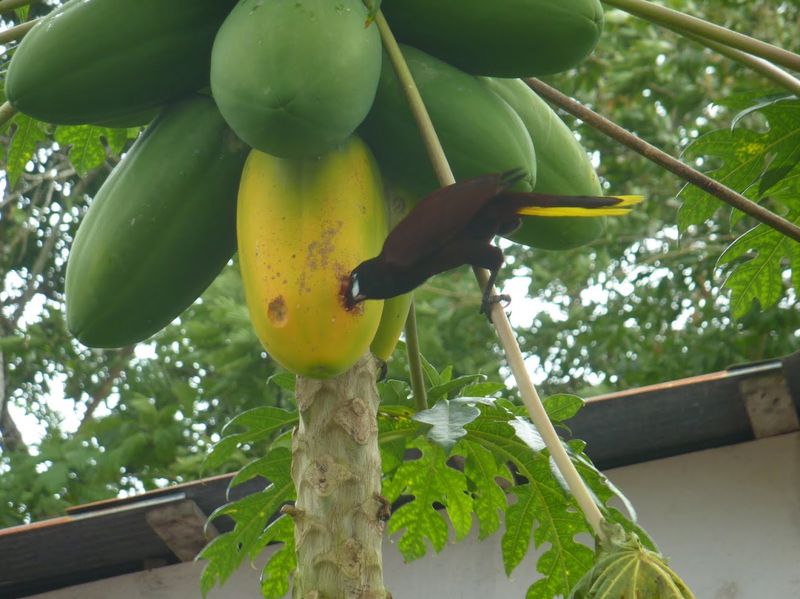
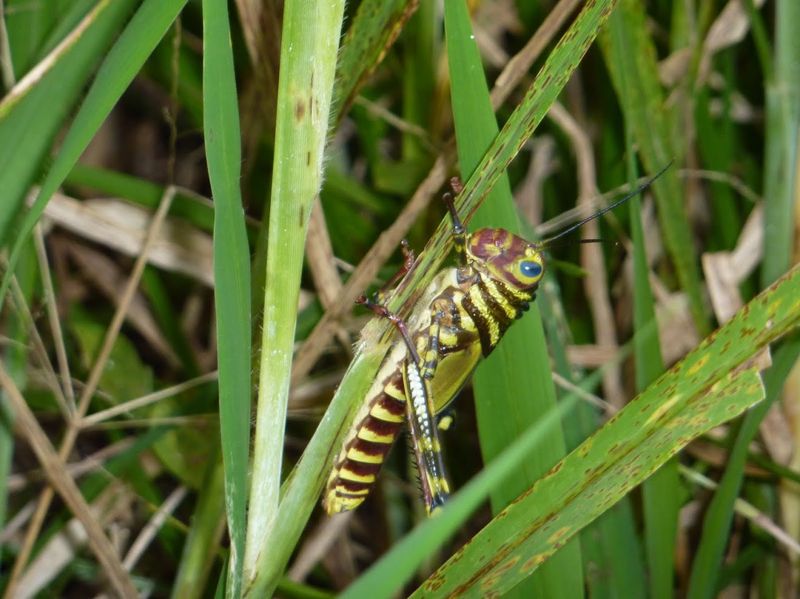
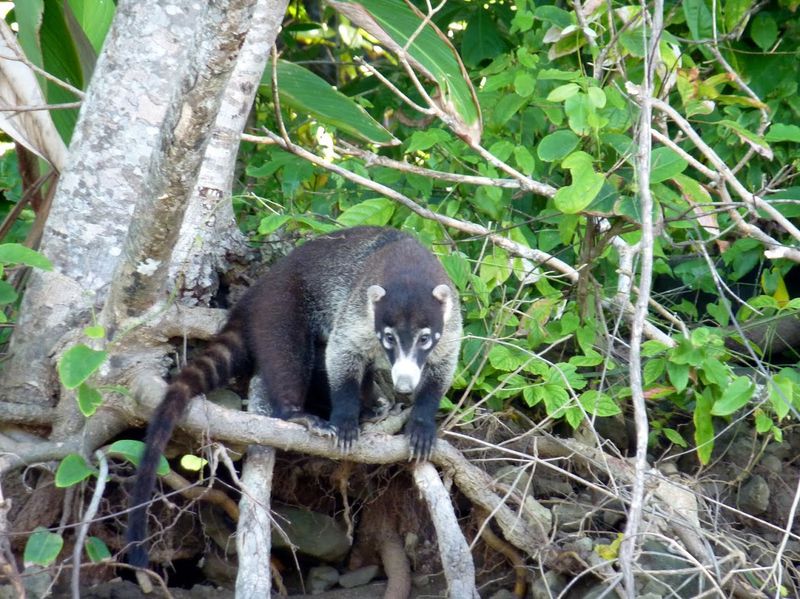
More than a quarter of Costa Rica is protected in national parks, nature reserves and various conservation areas. And this nature is THE reason to visit. On an area of about 0.03% of the Earth’s land surface live an estimated 5% to 6.5% of all known species in the world! Among others, Costa Rica has four species of monkeys and two species of sloths, and five of the world’s seven species of sea turtles lay their eggs on its beaches.
Mountains, valleys and beaches
Mountain ranges run the length of Costa Rica, forming a kind of “backbone” for the country. They separate the Pacific side from the Caribbean side. Altogether Costa Rica has 14 known volcanoes, and six of them have been active in the last 75 years! The highest peak, Cerro Chirripó, rises to about 3,820 meters.
The Pacific coast is very long, more than a thousand kilometers. The Caribbean coast is much shorter, only about 200 km. And because of the altitude, rainfall and different terrain in each region, Costa Rica has many microclimates. The coasts are hot and humid, and the high mountains are cooler. So don’t be surprised if you need a light jacket in the morning and a swimsuit in the afternoon.
Most trips to Costa Rica start in the Central Valley, in the heart of the country. This is where you will find the capital San José, with the main airport nearby, coffee farms and the Poás and Irazú volcanoes, which you can visit on a day trip. Northwest of the valley is the Arenal area, centered on the cone shaped volcano, with the town of La Fortuna at its foot. It is one of the most interesting regions in the country, with hot springs, waterfalls, hanging bridges and great spots for river rafting or ziplining through the trees. South of Lake Arenal, high in the mountain range, is the Monteverde cloud forest. It is a cool, misty area, and one of the recommended activities there is a night tour in the forest.
In northwestern Costa Rica, along the Pacific coast, stretch the Guanacaste province and the Nicoya Peninsula. This is the driest region of Costa Rica, with plenty of beaches, sunsets over the ocean and surf towns. It also has the Rincón de la Vieja volcano, with hot springs and bubbling mud on its slopes. Farther south along the coast is Manuel Antonio National Park, where the jungle ends right on the beach. And farther south still, near the town of Uvita, you can go on whale watching cruises. In the southwestern corner of the country is the Osa Peninsula, home to Corcovado National Park, famous for its wealth of wildlife. On the other side of the country, east of the mountain range, is the Caribbean coast. In the north is Tortuguero, with canals running through the jungle and beaches where sea turtles lay their eggs. In the south are the towns of Puerto Viejo and Cahuita, with beautiful beaches and a relaxed Caribbean atmosphere.
What is pura vida?
Since 1949, Costa Rica has had no army! This is anchored in its constitution and has made it one of the few countries in the world without a standing army. The budget that was meant for the army has since gone to internal security, education and culture. Maybe that is one of the reasons Costa Rica ranks high again and again in world happiness indexes. You will feel this relaxed atmosphere in your very first conversation with the locals. The phrase you will hear most is “pura vida”, meaning “pure life”. It is used to say hello, as an answer to “how are you”, and to say thank you.
In short, Costa Rica is a small country with so much in it: beaches, mountains, forests and wildlife, all within a few hours’ drive, and run by happy people! You are probably asking now “where do I sign up?” Just keep reading…
How do you get to Costa Rica?
The way to Costa Rica is long, but with a little planning you can save both money and unnecessary hours.
Flights to Costa Rica
Unless you live in North America or one of a few European hubs, there are no direct flights to Costa Rica, so you will need at least one connection. There are two main ways to do it: via Europe or via the United States.
Via Europe: There are direct flights to Costa Rica from several major European cities, such as Madrid, Paris, Amsterdam and Frankfurt. In some seasons there are also flights from London and Zurich.
Via the United States: There are direct flights to Costa Rica from many US cities, for example New York, Miami, Houston, Atlanta and Los Angeles. It is a particularly convenient connection if you want to add a few days in the USA to your trip. Just remember that even a short layover in the USA requires a valid ESTA (or a US visa, depending on your passport).
Which airport should you fly into?
Costa Rica has two main international airports. The bigger and busier one is Juan Santamaría International Airport (SJO). It is about 20 km from San José, and has flights from both Europe and the USA. The second is Daniel Oduber Quirós International Airport (LIR), near the city of Liberia in the Guanacaste province. It mainly serves travelers heading to the beaches of the northwest.
And here is an important tip: you don’t have to fly in and out of the same airport. You can, for example, land in San José, travel gradually northwest and fly home from Liberia. That saves a long drive back to your starting point. When searching for flights, choose the “Multi-city” option. Note that Liberia has fewer routes to Europe, and most of its flights go to the USA and Canada. So this route is especially suitable if you are flying back via the USA.
To search for flights, I always recommend the international flight search engine Skyscanner. You can search flexible dates and see prices in a monthly table. That makes it easy to compare routes via Europe with routes via the USA, and to find the cheapest month. Before you start, click here for our guide to searching easily on Skyscanner.
Need help finding a flight? A flight with a connection, and sometimes a return from a different airport, is not the simplest search. Compare routes via Europe and via the USA, and look at the total travel time, not just the price.
Use the flexible dates option to find the cheapest month.
Entering Costa Rica
Citizens of many countries, including the USA, Canada, the UK, the EU countries, Australia and Israel, do not need a visa for Costa Rica for a tourist visit. The length of stay is set by the immigration officer at entry and can be up to a maximum of 180 days. Check the rules for your own passport before you fly. By law, to enter the country you need to show:
- A valid passport (to be on the safe side, it should be valid for at least six months from the day of entry).
- A return ticket, or a ticket to another destination proving you are leaving the country. A bus ticket from Costa Rica to a neighboring country, bought in advance, is also accepted.
- Proof that you have enough money for your stay. It is not always requested, but the immigration officer may ask for it.
After you enter, it is a good idea to take a photo of the passport page with the entry stamp and keep it with you throughout the trip.
Two more things worth knowing:
- Departure tax: When you leave Costa Rica by air, you have to pay a departure tax. In most cases it is already included in the price of your ticket, so you will not need to pay it separately at the airport.
- Yellow fever vaccination: If you arrive in Costa Rica from a country with a risk of yellow fever, you will need to show a vaccination certificate. This is mainly relevant for travelers combining countries in South America, such as Colombia, Peru or Brazil, and entering Costa Rica from them. Travelers flying in from Europe or the USA do not need this certificate.
The entry rules for Costa Rica, as for any country, can change. So just before your flight, check the latest guidelines on the website of Costa Rica’s immigration authority.
When to visit Costa Rica?
Costa Rica is warm almost all year round, so the seasons here are not defined by temperature but by rainfall. The locals divide the year into two seasons: the dry season, which they call “summer” (Verano), and the rainy season, which they call “winter” (Invierno). But as you have already gathered, in Costa Rica every region behaves a little differently. So here is what you need to know.
The dry season: December to April
This is the most popular season to travel in Costa Rica. There is less rain, the skies are usually clear, and it is the most comfortable time for the beaches on the Pacific side. March and April are the hottest months, and December and January are the coolest. The driest region in the country is the Guanacaste province, in the northwest.
The downside, as always with peak tourist season, is that it is also the busiest and most expensive season. The busiest periods are the week between Christmas and New Year’s Day, and Holy Week (Semana Santa). At these times the locals go on holiday too, the beaches fill up and the roads to the coast are busy. If you are planning to come then, book accommodation and a rental car as early as possible.
The green season: May to November
In Costa Rica they prefer to call the rainy season “the green season”, and for good reason. When the rain arrives everything blooms, and the scenery is especially green. That does not mean it rains all day. On most days the morning is clear and pleasant, the rain comes in the afternoon, and toward evening the sky clears again. So in this season it is best to plan your activities for the morning.
The advantages of the green season are clear: fewer tourists, and lower prices for hotels, tours and rental cars. The rainiest months on the Pacific side are September and October, when some hotels, restaurants and activities even close for lack of demand. In the middle of the season, usually between late June and August, there are sometimes a few drier days. The locals call this “Veranillo”, meaning “little summer”. Just don’t count on it, because some years the little summer does not come at all.
And what about the Caribbean side?
The Caribbean coast, east of the mountain ranges, simply does not follow the rules. It is more humid and rainy than the Pacific side all year round, but its seasons are almost reversed. In September and October, when the Pacific side gets the most rain, the Caribbean side usually has its best weather. That means that even in the rainy months, there is somewhere to escape to!
The weather is also different in the mountain areas, such as the Monteverde cloud forest. It is cool, misty and humid there for most of the year. So even if you come in the dry season, don’t forget a light jacket and a raincoat.
When can you see sea turtles and whales?
If seeing Costa Rica’s famous wildlife matters to you, it is worth coming at the right time:
- Green sea turtles in Tortuguero: On the Caribbean beach of Tortuguero National Park, green sea turtles come to lay their eggs roughly from July to October.
- Humpback whales in Uvita: In Marino Ballena National Park, near the town of Uvita on the southern Pacific coast, you can see whales in two seasons. The main season is roughly from July to October, and there is another, shorter season at the beginning of the year.
So when should you come?
If this is your first trip to Costa Rica and you want to enjoy the beaches too, I would recommend the dry season, especially January to April. You will enjoy more stable weather and avoid the holiday crowds of late December. If you prefer to avoid the crowds or enjoy lower prices, and are not afraid of afternoon rain, May to August can also be a great time. And if your trip falls in September or October, plan it around the Caribbean coast and leave the Pacific coast for next time.
Getting around Costa Rica
To travel from place to place in Costa Rica there are three main options, which of course you can also combine:
Renting a car
A rental car is the most flexible way to travel in Costa Rica. It lets you stop wherever you like, reach beaches and trails at your own pace, and not depend on shuttle schedules. If you plan to reach remote areas, or to stay in a lodge on a mountainside, consider a 4×4.
Personally, I always compare prices on a car rental comparison site before booking. I wrote about all the tips in our guide to renting a car abroad.
Important tips:
- In Costa Rica, third party liability insurance for rental cars is required by law. Your credit card’s insurance does not replace it. On international booking sites it is not always included in the price, and then it is added at the counter, and the final price comes out much higher than you expected. So before you book, check that the price includes it.
- Waze is your best friend. It is the most widely used navigation app in Costa Rica, and it knows many of the dirt roads too.
- Avoid driving in the dark. In Costa Rica it gets dark early, around 18:00, all year round. Roads outside the cities are dark and not always well marked, so plan your drives to arrive before sunset.
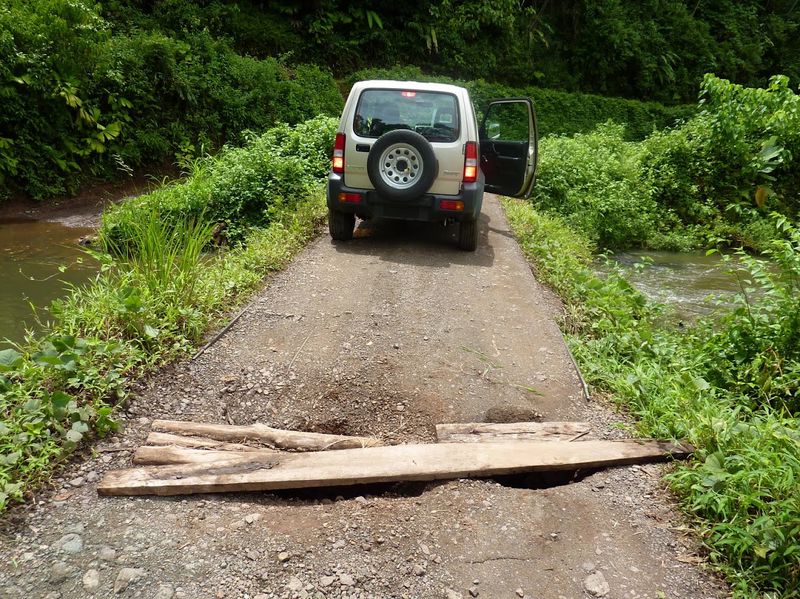
- Watch out for one lane bridges. On many roads you will come across narrow bridges that you can only cross in one direction at a time. Sometimes there is only a yield sign before them, so slow down and check that no car is coming the other way.
- In the green season, heavy rain can block mountain roads, sometimes for several days. If you travel in this season, check road conditions before a long drive.
Getting around by shuttle and bus in Costa Rica
Don’t want to drive? No problem. Shared shuttles run between the main tourist areas, picking you up at your hotel and dropping you off at the next one, as long as it is in a main hotel area. The ride takes a little longer than by private car, because they stop to pick up and drop off all the passengers. For example, this shuttle connects the airport in San José with La Fortuna, in an air conditioned vehicle with room for luggage.
There are also public buses, which are cheaper, but the trip takes much longer. From San José to La Fortuna, for example, a public bus can take four to six hours.
Domestic flights in Costa Rica
For the more remote areas of Costa Rica, consider flying. Local airlines such as Sansa operate short flights in small planes from San José airport to airstrips around the country, including Tortuguero, Drake Bay and Puerto Jiménez on the Osa Peninsula, Quepos near Manuel Antonio, Tamarindo, Nosara and La Fortuna. Tortuguero, for example, has no road at all. You can get there by driving to the port where the boats leave and then cruising through the canals. But that way is long, and a short flight can save you many hours.
Booking activities and tickets in advance
In Costa Rica, many of the best experiences are guided tours: a night tour in the jungle, looking for sloths with a guide who knows exactly where to look, ziplining over the treetops or canoeing through the canals of Tortuguero. In high season, book at least the activities that matter most to you in advance. That way you won’t find out that the only day that suits you is already full.
Tickets for the national parks
Good to know: for some of the popular national parks you buy tickets in advance, on the website of the National System of Conservation Areas (SINAC). This is the case, for example, at Manuel Antonio National Park, Poás Volcano and Rincón de la Vieja. At Manuel Antonio you cannot buy a ticket at the entrance at all, and the number of visitors each day is limited.
If you plan to enter a park with a guide, note that some guided tours already include the entrance ticket in the price. Check this before buying a separate ticket.
GetYourGuide
On GetYourGuide you will find a wide range of tours and activities all over Costa Rica. For example, a guided tour of Manuel Antonio National Park with a local nature guide. The guide brings a telescope and helps you spot sloths, monkeys and other animals, and some options already include the park entrance ticket. In Monteverde you can join a night tour in the forest, in a small group of up to 8 participants, and look for the animals that only come out in the dark. Adrenaline lovers can go rafting on the Balsa River near La Fortuna, with lunch included. And from Uvita you can go on a whale and dolphin watching cruise in Marino Ballena National Park.
On the site you can search by region or by type of activity, read reviews from other travelers, and check in advance exactly what is included in the price. Many activities also offer free cancellation up to a certain time before the activity, but check the terms of each booking.
Click here for all the activities in Costa Rica on GetYourGuide.
Klook
This is another recommended site for booking activities and attractions. You can book, for example, an entrance ticket to Mistico Hanging Bridges Park near Arenal Volcano, and explore it on your own, at your own pace. Or a catamaran cruise from Playa Flamingo in Guanacaste, with snorkeling and kayaks, in the morning or at sunset. You can also book an eSIM for Costa Rica, so you have internet from the moment you land.
What to do in Costa Rica?
Before you plan your trip, it is important to know exactly what there is to do in each region of Costa Rica. That way you can decide where you want to go and what you are willing to skip.
San José and the Central Valley
The Central Valley lies in the heart of Costa Rica, between the mountain ranges. It is at an altitude of about a thousand meters and more, so the climate is relatively pleasant, with an average temperature of about 20 degrees Celsius. This is where the capital San José and the country’s main airport are, so most travelers pass through the area at least at the beginning and end of their trip. It is worth using that to get to know the area beyond the airport.
San José: Costa Rica’s capital is a big, busy city, but if you have a free day, there are a few places worth seeing. The National Theatre (Teatro Nacional) opened in 1897, at a time when coffee exports were making the country rich, and it is considered the most beautiful historic building in the capital. Under the Plaza de la Cultura is the Pre-Columbian Gold Museum (Museo del Oro Precolombino), with more than 1,500 gold objects from the period before the Spanish arrived. And the National Museum (Museo Nacional) is housed in a building that used to be a military base. It became a museum after the army was abolished, as a symbol of the country’s commitment to culture.
To get a feel for local life, drop by the Central Market (Mercado Central). Besides stalls of fruit, spices and souvenirs, it has “sodas”, the local version of a home style restaurant. Try the “casado” there, the national dish: rice, beans and meat, with salad, fried plantains and tortillas.
If you want to get to know the city in depth, join this tour, which takes in San José’s two big markets, the cathedral and the lobby of the National Theatre. Along the way you taste tropical fruit, tamales (a traditional corn dish) and coffee, and even make plantain empanadas. And if you don’t want to wait for the jungle to meet sloths, on this nature tour they are waiting for you in the heart of the city. The tour takes place on the campus of the University of Costa Rica, which has preserved some of the largest forest areas in San José. The guides, who are biologists from the university, help you spot birds and sloths with a telescope.
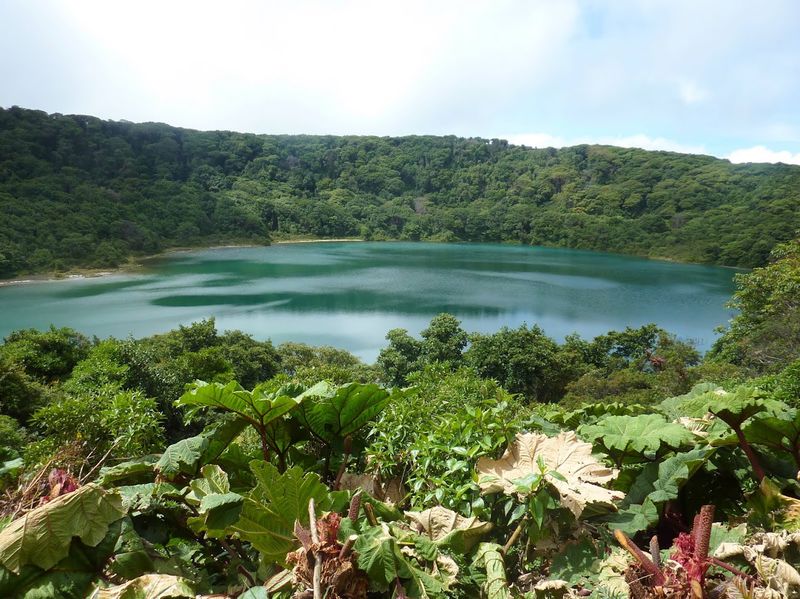
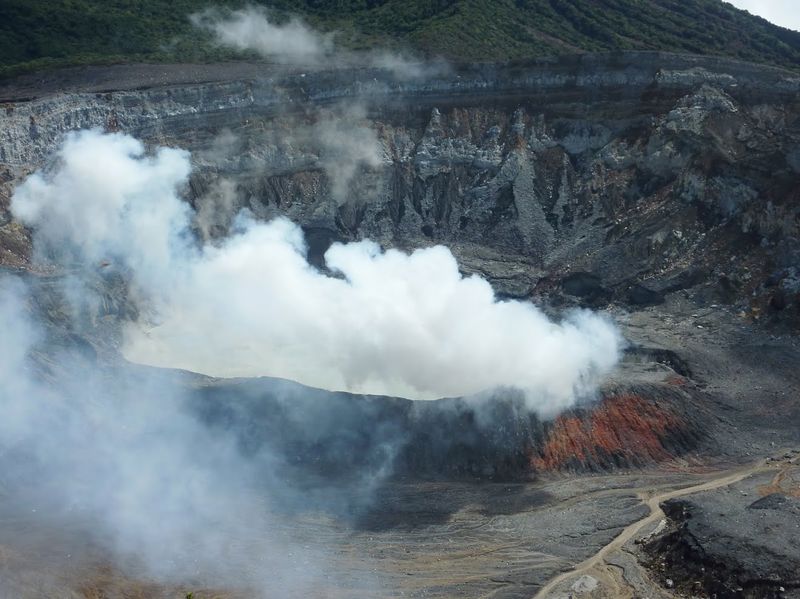
Poás Volcano: About an hour and a half’s drive from San José is one of the country’s active volcanoes. In its crater lies the crater lake Laguna Caliente (“the hot lagoon”), considered one of the most acidic lakes in the world! To visit, you need to buy a ticket in advance on the official national parks website, and you enter in groups, at the time you chose. In recent years the park has closed several times because of volcanic activity, so check that it is open before your visit. On the way to Poás you can also stop at La Paz Waterfall and at a coffee farm. This day trip combines all three, and includes pickup from your hotel in San José, the entrance ticket to Poás and lunch.
Irazú Volcano, Cartago and the Orosi Valley: Irazú is the highest active volcano in Costa Rica, at about 3,430 meters. A road climbs all the way to the craters at the summit, and one of them holds a green crater lake. On a clear day you can see both the Pacific Ocean and the Caribbean Sea from the top! But such days are rare, and the summit is usually covered in clouds. For Irazú, too, you buy tickets in advance on the SINAC website.
On the way to Irazú you pass through Cartago, which was the capital of Costa Rica for about 250 years, until 1824. In its center stands the Basilica of Nuestra Señora de los Ángeles, the most important church in the country. Inside is a statue of a Black Madonna that the locals call “La Negrita”, and every year on August 2 many pilgrims come to it. South of Cartago is the Orosi Valley, a deep green valley with coffee plantations. In the village of Orosi stands a church from 1743, which according to the locals is the oldest Catholic church in the country still in use.
If you have a car, you can visit all these places independently. And if you prefer someone else to drive, this day trip from San José takes in Irazú, the basilica in Cartago and the Orosi Valley. It includes transport, entrance fees and lunch.
How much time to spend in San José and the Central Valley? One or two days are usually enough. You can use the first days, until you get over the jet lag, or the last days before your flight home.
Where to stay? For the first and last nights of the trip, it is most convenient to stay near the airport, in Alajuela, which is about 20 km from San José, with the airport just south of its center. If you want to explore the capital itself, you can stay in San José.
Click here to search for hotels in Alajuela.
Arenal and La Fortuna
Northwest of the Central Valley rises Arenal Volcano, with its perfect cone shape. For hundreds of years it was dormant and covered in vegetation. But in 1968 it erupted suddenly and destroyed the village of Tabacón at its foot. From then until 2010 it was the most active volcano in Costa Rica, and one of the most active in the world. Since 2010 Arenal has been dormant again, so don’t expect to see lava. But its view, overlooking the whole area, is impressive even without it.
At its foot, to the east, lies the town of La Fortuna, the base for trips in the area. West of the volcano is Lake Arenal, the largest lake in the country. It was originally a natural lake, but the dam built in 1979 made it three times bigger. From November to April strong, steady winds blow at its western end, so it is considered one of the best places in the world for windsurfing and kitesurfing.
La Fortuna Waterfall: A waterfall of about 70 meters that drops into a pool in the heart of the forest. You can also swim in the pool at its foot. You can get there on your own and book an entrance ticket in advance.
Hot springs: The geothermal activity around Arenal heats the water in the area, so there are several resorts around La Fortuna with natural hot spring pools. It is the perfect way to end a day of exploring. If you want to combine some of the most recommended things in the area in one day, this tour starts with a swim at La Fortuna Waterfall, continues to lunch in a village of the Maleku, one of Costa Rica’s indigenous peoples, and a walk in Arenal Park, among forests and old lava fields. At the end of the day you also go into the hot springs. The tour includes hotel pickup, park and hot spring entrance fees, and lunch.
Hanging bridges: At Místico Hanging Bridges Park you walk a trail that crosses the forest on hanging bridges. Along the way there is also a hummingbird garden and a waterfall. You can book an entrance ticket and explore at your own pace, or join a guided tour, with a guide who will help you spot animals.
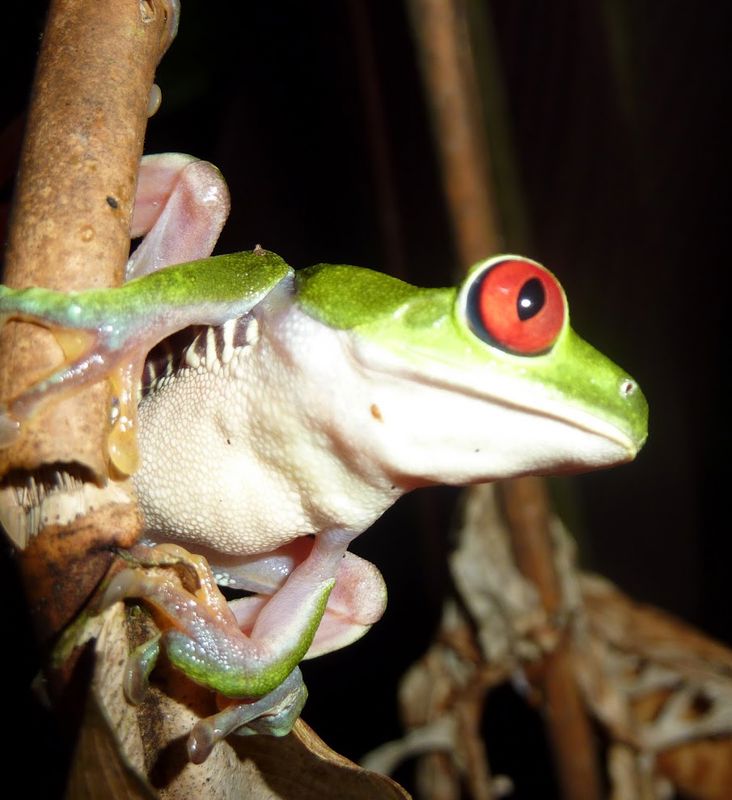
Sloths and other animals: You don’t need to go far from La Fortuna to see sloths and other animals. On this tour, on the Bogarín Trail, a few minutes from the town center, you go out with a nature guide in a small group of up to 8 participants to look for (and find!) sloths. And on this night tour you look for frogs, sloths, snakes and glowing insects in a private forest near the town.
Adventures: La Fortuna is also the place to get your adrenaline going. You can zipline over the forest, rappel down waterfalls, or go rafting on the Balsa River.
Coffee and chocolate: On this tour you visit a family farm near La Fortuna and learn how coffee and cacao are grown. At the end you taste coffee, chocolate and sugarcane juice.
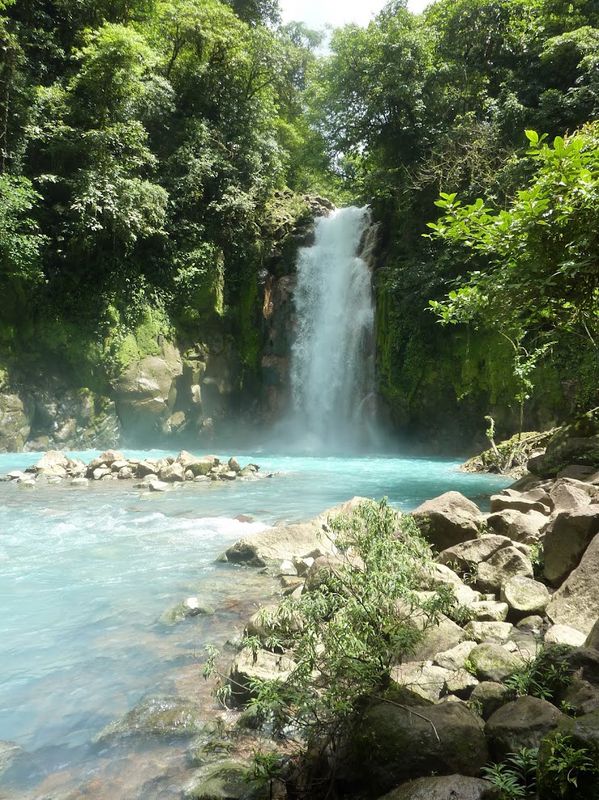
A day trip to Río Celeste: One of the most special places in Costa Rica is in Tenorio Volcano National Park, a day trip from La Fortuna. Río Celeste is a river of an intense sky blue color. The unique color forms where two streams meet, when the volcanic minerals in them react with each other and change the way the water reflects light. The park has a trail that leads to a waterfall, a lookout and the spot where the streams join. You buy park tickets in advance on the official national parks website. And if you prefer not to drive, there is also a guided day trip from La Fortuna, which includes hotel pickup, entrance fees and lunch.
How much time to spend in the Arenal and La Fortuna area? There is so much to do in the area that it is worth spending at least two nights there. And if you want to add Río Celeste, three nights is even better.
Where to stay? It is most convenient to stay in La Fortuna itself, where most of the restaurants and tour departure points are. If you prefer peace and a view, you can choose a hotel or lodge outside town, with a view of the volcano.
Click here to search for hotels in La Fortuna.
Monteverde
South of Lake Arenal, high in the mountain range, is the Monteverde cloud forest. It is a cool, green and misty area where the clouds drift right between the treetops. The settlement was founded in the 1950s by a group of pacifist Quakers from the USA who refused to be drafted into the US army before the Korean War. Today the main town in the area is Santa Elena, where most of the hotels and restaurants are.
The cloud forest reserve: The reserve, founded in 1972, covers more than 10,000 hectares, most of it virgin forest. About 400 bird species live there, including the quetzal, and it has more orchid species than anywhere else in the world. You can walk the marked trails on your own. But the animals here hide well among the trees and the mist, so it is worth going with a guide. On this tour you go in a group of up to 6 participants, with a telescope for spotting wildlife. Note that the reserve entrance ticket is not included. The area also has smaller reserves, such as Curi-Cancha, which you can explore the same way.
Bridges, ziplines and night tours: Monteverde has several zipline parks over the cloud forest. On this zipline tour there are 11 ziplines, including two “Superman” lines where you fly lying face down, and a Tarzan swing. The area also has several hanging bridge parks. And in the evening, don’t miss a night tour in the forest.
How do you get from Arenal to Monteverde? You can drive around Lake Arenal. Or you can choose the combined transfer, known as “jeep-boat-jeep”: a shuttle from your hotel in La Fortuna, a boat across Lake Arenal, and from there a shuttle to your hotel in Monteverde.
How much time to spend in Monteverde? One or two nights are enough to enjoy the reserve, the ziplines and a night tour.
Where to stay in Monteverde? It is most convenient to stay in Santa Elena, the main town of the area, where most of the hotels and restaurants are. If you prefer peace and quiet, you can choose a lodge outside town, closer to the forest.
Guanacaste and the Nicoya Peninsula
Northwestern Costa Rica is the driest region of the country, and it is home to many of its popular beaches. The gateway to the area is Liberia airport. South of it stretches the Nicoya Peninsula, the largest peninsula in the country, about 120 km long. Nicoya is considered one of the world’s “Blue Zones”, places where many people stay active past the age of 100. Maybe it’s the sun, and maybe it’s the pura vida.
Northern beaches: Tamarindo is the most developed and lively beach town in Guanacaste. It used to be a small fishing village, and today it is full of surfers, restaurants and bars. If you want to try surfing, you can book a surf lesson with an instructor and equipment. From nearby Playa Flamingo you can go on a sunset catamaran cruise, which includes snorkeling, kayaking, a meal and drinks. The cruise includes pickup from hotels in the area, including Tamarindo.
Rincón de la Vieja: About 25 km from Liberia is Rincón de la Vieja National Park, around an active volcano. On its slopes there are hot springs, vents in the ground releasing steam and gases, and bubbling mud, and it is a great place to feel volcanic power up close. You buy park tickets in advance on the official national parks website.
Nicoya beaches: The farther south you go on the peninsula, the quieter and more relaxed the atmosphere. The town of Nosara is known for Playa Guiones, which has good surf waves almost all year, and for its yoga centers. At the southern tip of the peninsula are Santa Teresa, another surf and yoga town, and Montezuma, with waterfalls nearby and the Cabo Blanco Nature Reserve next door.
How much time to spend in Guanacaste and the Nicoya Peninsula? It is a great area to end your trip with a few days on the beach. Plan at least three or four nights. The peninsula is long, so it is better to choose one or two bases than to move to a different beach every day.
Where to stay in Guanacaste and the Nicoya Peninsula? Tamarindo suits those looking for a comfortable holiday with lots of restaurants and shops, relatively close to Liberia airport. Nosara and Santa Teresa suit those who prefer a quieter surf and yoga atmosphere.
Click here to search for hotels in Tamarindo.
Click here to search for hotels in Nosara.
Click here to search for hotels in Santa Teresa.
The Central Pacific coast: Manuel Antonio and Uvita
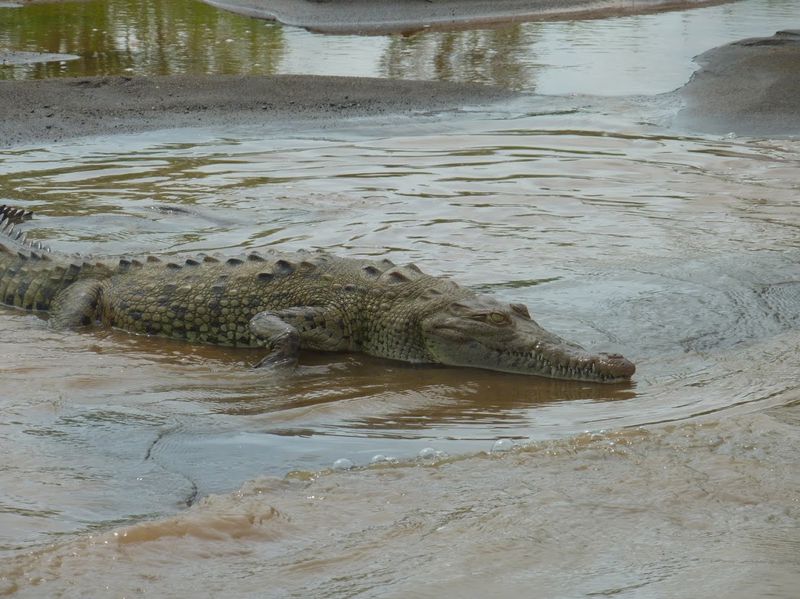
From the Central Valley the coastal road (Route 34) descends to the Pacific Ocean and continues south along the coast. On the way there is a stop you shouldn’t miss: the bridge over the Tárcoles River. From the bridge you can see dozens of American crocodiles for free, sunbathing on the riverbanks below you. Near the bridge is Carara National Park, home to one of the largest populations of scarlet macaws in the country. And a little farther south is Jacó, a surf town with a black sand beach, one of the closest beaches to San José.
Manuel Antonio: Manuel Antonio National Park is very small, only about 2,000 hectares of land, but it is the most visited park in Costa Rica. And there is a reason: its jungle ends right on white beaches, and you can see sloths and three species of monkeys relatively easily, including the endangered squirrel monkey. A few things to know before you visit: the park is closed on Tuesdays. Tickets are sold only on the official national parks website, not at the entrance, and you need to enter your passport number. The number of visitors each day is limited, so book in advance.
You can explore the park on your own, but with a guide you will see much more. On this tour, a nature guide spots animals with a telescope and even takes photos of you. Note that the basic option does not include the park entrance ticket. Outside the park you can also go kayaking among the mangroves.
Uvita and Marino Ballena: Farther south along the coast is the town of Uvita. Opposite it, in Marino Ballena National Park, is the “Whale’s Tail” (Punta Uvita), a long sandbar that connects to rocks in the sea and together with them forms the shape of a whale’s tail. You can only walk on it at low tide, so check the tide table before you go. From Uvita you can go on a whale watching cruise, and also snorkeling at Caño Island (Isla del Caño), considered one of the best places in the country for snorkeling and diving. The cruise to the island includes the reserve entrance ticket and lunch.
How much time to spend in the Central Pacific coast? I recommend at least two nights in Manuel Antonio, so you have a full day in the park and another day for the beaches or another activity. If you want to add Uvita, add another night or two.
Where to stay in the Central Pacific coast? It is most convenient to stay in the area between the town of Quepos and Manuel Antonio park, close to the park entrance. If you are continuing south, you can stay in Uvita, the departure point for the cruises and snorkeling.
Click here to search for hotels in Manuel Antonio.
The Osa Peninsula and Corcovado
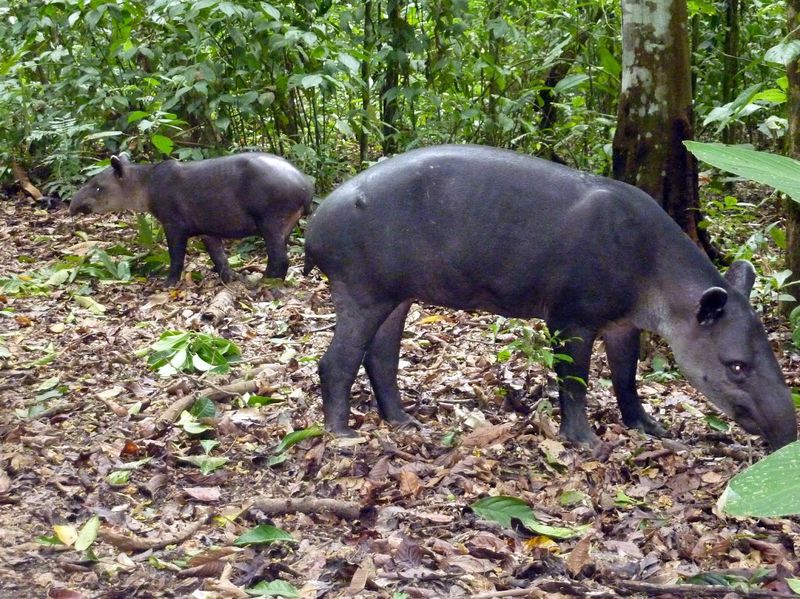
In the southwestern corner of Costa Rica is the Osa Peninsula, home to Corcovado National Park. It is the largest park in the country, covering about 42,400 hectares, roughly a third of the peninsula. It is estimated that about 2.5% of all the species in the world live there! It has tapirs, jaguars and pumas, all four of Costa Rica’s monkey species, and the country’s largest population of scarlet macaws. It is the wildest and least accessible region of Costa Rica, and that is exactly what makes it worth it!
Visiting Corcovado: Since 2014 you are not allowed to enter the park without a certified guide, so you can only visit on a guided tour. The most popular tour leaves from Drake Bay to Sirena, a ranger station in the heart of Corcovado, on the beach. It is the main entry point into the depths of the park, and there is a particularly good chance of seeing animals on the trails around it. If you want to go deeper, you can even sleep there, in basic beds or a tent. This tour includes the round trip boat ride, a walk of about five hours in the forest, the entrance ticket and lunch. Note that the Sirena area is closed to visitors throughout October. And if you are not going as far as Osa, you can visit the northern part of the park, San Pedrillo, on a day trip from Uvita.
From Drake Bay you can also go on snorkeling and diving trips to Caño Island, off the coast of the peninsula.
How do you get there? You usually reach Drake Bay by boat from the village of Sierpe. It is a ride of about an hour to an hour and a half down the river and along the coast. You can also take a short domestic flight from San José. There is also a dirt road to Drake Bay, but it is only suitable for a 4×4, and it is best driven only in the dry season, because it crosses streams whose level rises in the rain. Puerto Jiménez, on the eastern side of the peninsula, can be reached by road or by air.
How much time to spend there? Getting to Osa takes time, so there is no point in coming for one night. Spend at least two or three nights in the area.
Where to stay? Drake Bay is the main departure point for tours to Sirena and Caño Island, so it is the most convenient place to stay. Most of the accommodation there is small lodges in nature. Puerto Jiménez is a bigger town that serves as the gateway to the eastern side of the park.
Click here to search for hotels in Drake Bay.
Click here to search for hotels in Puerto Jiménez.
The Caribbean coast: Tortuguero, Puerto Viejo and Cahuita
East of the mountain ranges, Costa Rica’s Caribbean coast feels like another country. It is more humid and rainy, and its seasons are almost the reverse of the Pacific side. The culture is different here too: the Limón province is home to many descendants of Jamaican immigrants who came to build the railway at the end of the 19th century. People here also speak a local Creole, eat “rice and beans” and listen to reggae and calypso. And in the mountains above the coast live the Bribri, one of Costa Rica’s indigenous peoples.
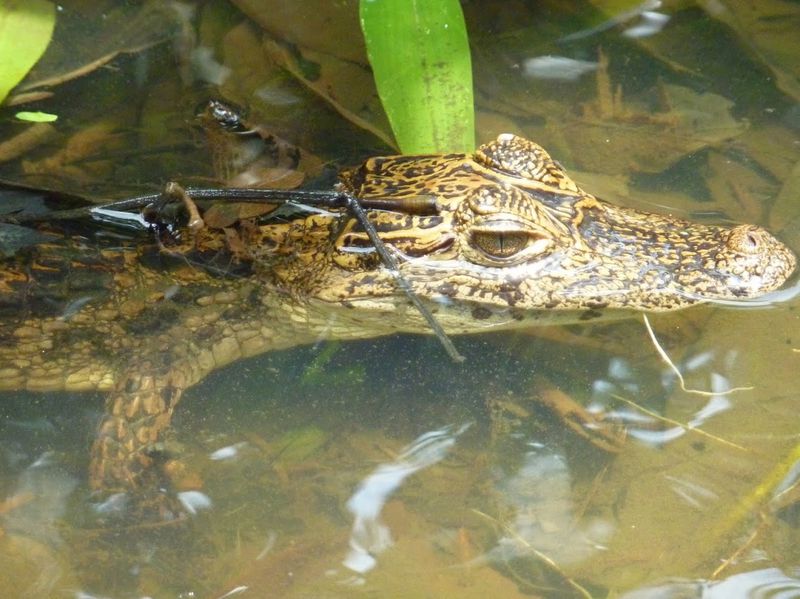
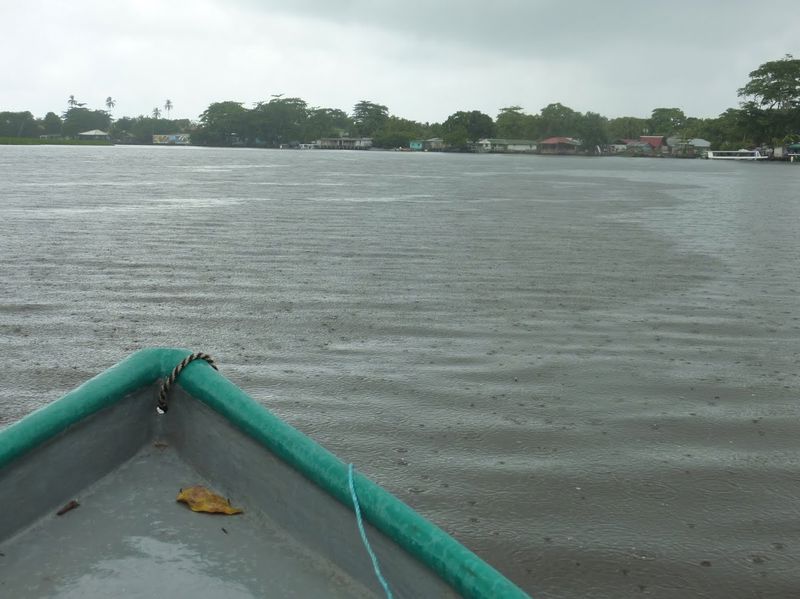
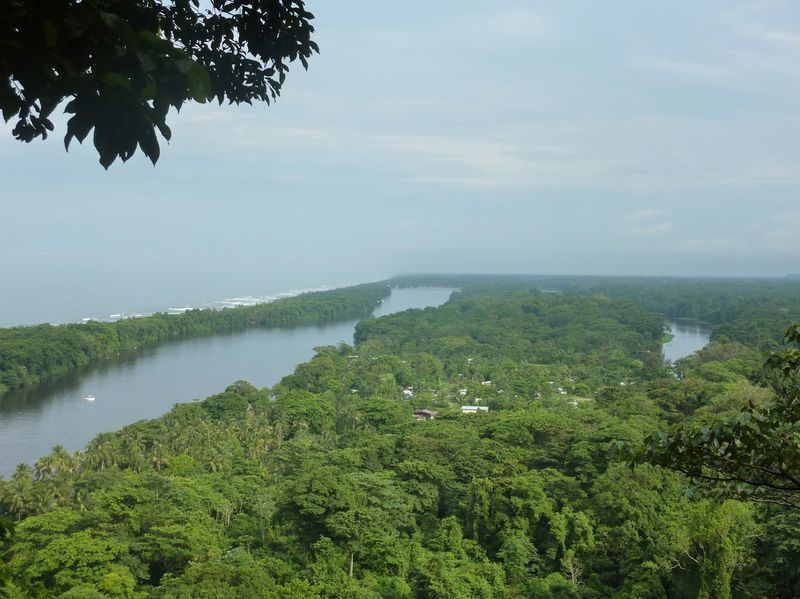
Tortuguero: In the north of the coast, on a narrow strip of sand between the river and the sea, lies the village of Tortuguero, which has no road access! Next to the village is Tortuguero National Park, with a network of canals, lagoons and rivers running through the rainforest, which is why it is called “the Amazon of Central America”. The popular activity here is cruising the canals by boat or canoe and looking for monkeys, caimans, birds and even manatees. A guided canal cruise is the best way to get to know the park. Note that the park entrance ticket (Canals Sector) is not included; you buy it on the official national parks website.
Tortuguero’s beaches are an important nesting site for four species of sea turtles, and in season (roughly July to October for green turtles) you can go and watch them at night. You may only go to the beach at night on a tour with a licensed guide, one of the many guides in the village, and flashlights and flash photography are not allowed. You can also book in advance a small group turtle tour.
How do you get to Tortuguero? By boat, from one of two departure points: La Pavona in the north, or Moín, near the city of Limón, in the south. You can also take a short domestic flight from San José. If you don’t want to deal with the logistics, you can choose a package that covers the whole journey. For example, this package includes pickup from your hotel in San José, the boat ride, two nights’ accommodation, all meals and guided tours. The park entrance ticket and the night turtle tour are not included.
Puerto Viejo and Cahuita: In the south of the Caribbean coast, close to the Panama border, the atmosphere is more relaxed. Cahuita National Park protects the beaches and the forest next to them, and you can see sloths, monkeys and raccoons there. It also has a coral reef, which you can see on a guided snorkeling tour. It is the only national park in Costa Rica where, at the entrance on the Cahuita village side, there is no entrance fee, only a request for a donation.
The town of Puerto Viejo is known for the Salsa Brava surf break, considered the biggest and most powerful wave in Costa Rica. Between Puerto Viejo and the village of Manzanillo, about 13 km south, stretch some of the most beautiful beaches in the country, such as Playa Chiquita and Punta Uva. The Jaguar Rescue Center wildlife rescue center is also nearby. And from Puerto Viejo you can go on a tour to a Bribri village, where you make chocolate the traditional way, learn about medicinal plants and visit a waterfall.
How much time to spend there? Two nights are usually enough for Tortuguero, and that is also the length of most guided packages. For the southern Caribbean coast, plan another two or three nights.
Where to stay? In Tortuguero you stay in the village or in the lodges around it. In the south, Puerto Viejo is the more touristy and lively town, with lots of restaurants and places to stay. Cahuita is right next to the national park and suits those looking for a base close to nature.
Click here to search for hotels in Tortuguero.
Click here to search for hotels in Puerto Viejo.
How to build a Costa Rica itinerary?
There is no one right itinerary for Costa Rica, but there are a few principles that will help you build a route you enjoy, rather than just drive.
Choose, don’t try to do everything
A common mistake is trying to fit every region into one trip. On a two week trip, three or four regions are more than enough. Leave the other places for your next trip, and really enjoy each place you chose.
Fly into one airport and out of the other
As we wrote in the flights section, you can land in San José and fly home from Liberia, or the other way around. That way the route moves in one direction and doesn’t double back. A classic route like this starts in the Central Valley, continues to Arenal and Monteverde, and ends on the beaches of Guanacaste, near Liberia airport.
At least two nights in each place
Each move between regions usually takes half a day or more. If you change hotels every night, you will spend most of your trip in the car. So stay at least two nights at each base, and three in places with lots to do, such as Arenal. Also plan your travel days so you arrive before dark.
Estimated driving times
Here are some driving times between the main bases. These are average estimates, and the actual time depends on traffic, weather and stops along the way:
| From | To | Estimated driving time |
| San José | La Fortuna | About 3 hours |
| La Fortuna | Monteverde | 3 to 4 hours |
| Monteverde | Manuel Antonio | About 3 hours |
| Monteverde | Uvita | About 4 hours |
| La Fortuna | Tamarindo | About 4 hours |
| Manuel Antonio | Tamarindo | 4 to 5 hours |
| San José airport | Puerto Viejo | About 5 hours |
Match your itinerary to the season
In the dry season, from December to April, the Pacific side is at its best. In September and October, the rainiest months on the Pacific side, build your trip around the Caribbean coast. And in the other months of the green season, simply plan your activities for the morning.
Recommended itineraries by the time you have
Here are some itinerary ideas, which you can adapt to what interests you most.
If you have ten days…
- First night in Alajuela, near the airport.
- Three nights in La Fortuna: waterfall, hot springs, hanging bridges, and maybe Río Celeste too.
- Two nights in Monteverde: the cloud forest reserve, ziplines and a night tour.
- Three nights on the beaches of Guanacaste, for example in Tamarindo.
- Fly home from Liberia airport.
And if you prefer Manuel Antonio to Guanacaste, you can swap them, and return to San José for a last night before your flight.
If you have two weeks…
- First night in Alajuela.
- Three nights in La Fortuna.
- Two nights in Monteverde.
- Three nights in Manuel Antonio.
- Two nights in Uvita: the Whale’s Tail, a whale watching cruise in season, and snorkeling at Caño Island.
- Last night in Alajuela, before flying home.
Coming in September or October? You can swap Manuel Antonio and Uvita for two nights in Tortuguero and three nights in Puerto Viejo and Cahuita.
If you have three weeks or more…
- First night in Alajuela.
- Two nights in Tortuguero.
- Three nights in Puerto Viejo or Cahuita.
- Three nights in La Fortuna. It is a long driving day, so leave early.
- Two nights in Monteverde.
- Three nights in Manuel Antonio.
- Two nights in Uvita.
- Three nights in Drake Bay, including a tour to Corcovado.
- A domestic flight from Drake Bay to San José, and a last night in Alajuela.
Prefer to end with some beach time? You can swap Osa for a few nights on the beaches of Guanacaste or the Nicoya Peninsula, and fly home from Liberia.
How much does a trip to Costa Rica cost?
As with any trip, when planning a trip to Costa Rica it is important to set a realistic budget in advance. In Costa Rica’s case this is especially important, because it is considered the most expensive country for tourists in Central America. Accommodation, the rental car and tours are usually the biggest expenses. But there are smart ways to save, especially on food and nature activities.
The local currency is the colón, but most places also accept US dollars and credit cards. There are ATMs throughout the country, but some are closed at night, between 23:00 and 5:00. If you need to change money, do it only at banks and authorized places, and take your passport with you.
It is always worth carrying some cash for emergencies. US dollars are the easiest to bring, and ATMs are easy to find. Cards are widely accepted in most places, so there is no need to carry large amounts of cash.
Check your bank’s foreign transaction fees before you travel.
So how much does it cost?
It is not easy to give an exact figure for the cost of a day of travel in Costa Rica. It depends a lot on your travel style, location and season. Still, here is a general estimate of the main components:
Accommodation
This is usually the most expensive item. A mid range hotel will cost you about $70 to $200 a night for a double room, and more in popular areas and in high season. A dorm bed in a hostel costs about $12 to $25 a night. Prices go up in the dry season, especially over the late December holidays and Holy Week, so if you are coming then, book early.
Food
A meal in a mid range restaurant costs about $10 to $20 per person at lunch, and about $15 to $25 in the evening. At the local “sodas” you can eat a home style casado for less. Note that in restaurants the final price includes 13% VAT and a 10% service charge, so there is no need to leave an extra tip. But at some restaurants the menu prices do not include these extras, so check before leaving without a tip.
Transport
Car rental costs about $50 to $100 a day in high season, plus about $10 to $25 a day for the mandatory insurance. A liter of fuel costs about $1.60 to $1.70. Shuttles between regions cost about $60 per person, and a domestic flight to Drake Bay, for example, about $180 each way. Public buses are much cheaper, but slow.
Attractions
Entrance to the national parks usually costs about $15 to $18 per adult. A guided tour in a park costs about $35 and up per person, ziplining about $70 to $100, and a full day trip with transport and a meal about $100 to $190. A money saving tip: combine guided tours with nature walks you can do on your own. And the beaches, of course, are free.
Overall, according to estimates, an average trip to Costa Rica costs about $140 to $150 per person per day. Those who make an effort to save, stay in hostels and take buses will spend less. And those who stay in luxurious lodges and take a tour every day will spend much more.
Important tips before your trip to Costa Rica
- At sea: Many beaches have rip currents (strong currents that pull you out to sea). Before going in the water, ask locals or surfers about conditions on the beach, and don’t swim alone. Some beaches may also have crocodiles, so ask about those too…
- Water: Tap water in Costa Rica is safe to drink in most places; only in a few rural areas is it better to drink bottled water. Bring a reusable bottle.
- Electricity: The voltage in Costa Rica is 110 volts, and the sockets are the American type, with two flat pins. Bring an adapter, and check that your chargers support this voltage.
- What to pack: A poncho or a light raincoat, comfortable walking shoes and sandals, light quick drying clothes, mosquito repellent and sunscreen. And try to pack light: domestic flights and some tours have luggage weight limits.
- In the car: Don’t leave valuables in the car, and try to park in guarded parking lots.
- On the beach: Don’t leave your belongings unattended when you go into the water.
- In nature: Taking plants and animals out of nature is prohibited, including shells from the beach.
- Emergency number: In Costa Rica, dial 911.
In summary
Costa Rica is a small country, but it has so much: volcanoes and cloud forests, jungles, varied beaches, and an amount of wildlife that is hard to believe exists in one place. With a little planning and the right choice of regions, you can build a trip that combines all of these without spending most of your time on the road.
So go ahead and start planning your dream trip to Costa Rica. And if you have questions, write to us in the comments. When you get back, we would love to hear how it went. Pura vida!