Tokyo: The 2026 Travel Guide: Essential Information and Top Attractions
Tokyo, the capital of Japan, is the largest metropolis in the world! With 35 million people in Greater Tokyo (more than 14 million in the city itself), it’s an economic and cultural powerhouse that we in the West tend to forget about. Tokyo has the largest metropolitan economy in the world! It’s a super-modern, advanced city, with public transport considered the best in the world, countless skyscrapers and a unique blend of progress and tradition. Tokyo is a fascinating place, different from anything you’ve known before. If you want to travel somewhere that will make you marvel, impress you and leave you speechless every hour, this is the place for you! And to make landing in this huge, impressive city easier, our Tokyo, The 2026 Travel Guide: Essential Information and Top Attractions is here to help. Here you’ll find essential information on getting by in the city, top attractions, useful tips and recommended hotels. So let’s get going!
In this article
Essential Information for Travelers in Tokyo
Here you’ll find everything you need to know to decide when to visit Tokyo, how best to get there, how to get around and what to do about money during your trip, plus important tips for visitors!
Getting to Know Tokyo
Let’s start with Tokyo’s urban structure: it isn’t an ordinary city but actually a metropolis made up of 23 smaller cities (special wards) that border each other directly, forming one continuous urban area. This is considered central Tokyo, and around it are dozens more cities and towns.
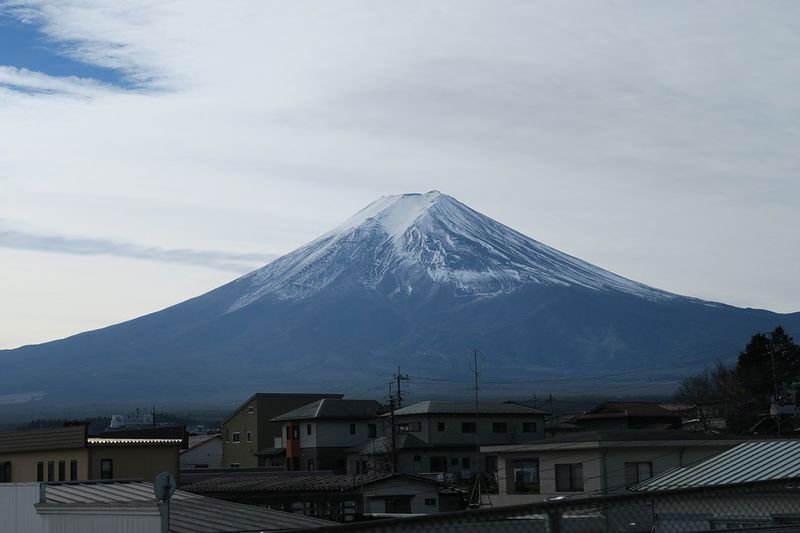
Tokyo is on Honshu, the largest of Japan’s islands, not far from the famous Mount Fuji, the highest mountain in Japan at 3,776 meters. The city lies on the eastern side of the island, at the northwest of the bay named after it, on the Pacific coast. The Arakawa River crosses it and flows into the bay.
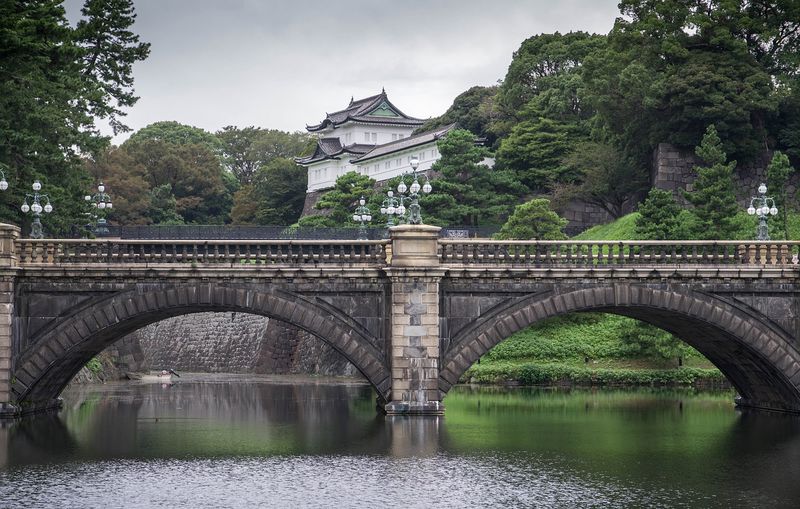
Tokyo wasn’t always Japan’s capital. The honor passed to it from Kyoto only in 1869, after a revolution that toppled the rule of the shoguns and returned power to the emperor. Emperor Meiji moved from Kyoto to Tokyo and declared it the new capital, and, of course, moved into the shogun’s castle compound! Today you can visit part of the compound, known as the East Gardens. At that time the city’s name was also changed from Edo to Tokyo, which means “Eastern Capital”.
For tourists, since Tokyo is so big but also has excellent public transport, it’s best to base yourself in one of the central areas and do a kind of urban hub-and-spoke trip, visiting a different area of the city each day. In the west you’ll find Shibuya, perhaps the most popular and famous name in Tokyo, and Shinjuku, the government and business center, home to the huge train station with the highest daily passenger numbers in the world, more than 3.5 million! It’s also an area packed with hotels and a great place to stay. In the center of Tokyo are the Chuo and Chiyoda wards, with the Imperial Palace and, by contrast, the super-luxurious Ginza shopping district. In the north of the city, in the Taito and Sumida wards, you can visit a market and a park and watch sumo bouts, and climb the Tokyo Skytree observation tower, one of the tallest structures in the world and the tower with the greatest height in the world! In the south of Tokyo, in Shinagawa and Minato, you can visit the artificial island of Odaiba, built partly on landfill (!), and the Roppongi district, popular with night owls.
When to Visit Tokyo
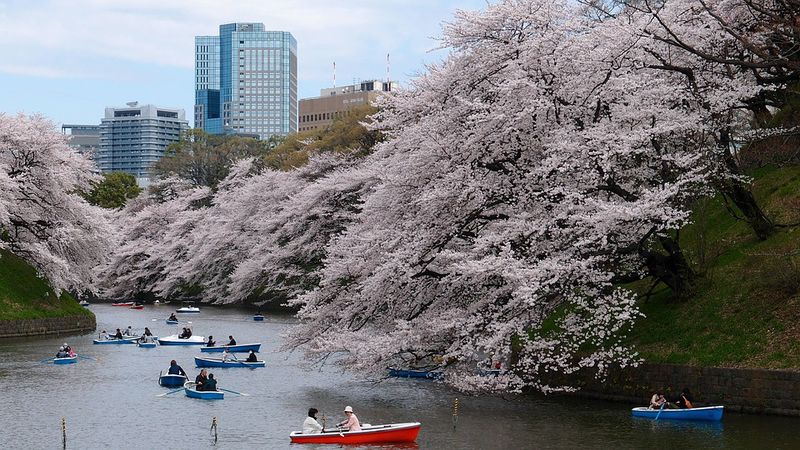
Most first-time visitors to Japan choose to go in spring, from March to May, when the spectacular cherry blossom season takes place. In Tokyo you can see it in parks such as Shinjuku Gyoen and Ueno Park. Other trees and flowers bloom in spring too, of course, but the cherry blossom is the highlight, so much so that the Japan Meteorological Corporation publishes estimated blooming dates every year from January! If you’re planning a spring trip, click here to see the forecast. The blossom in each area lasts only about a week, so pay attention to exactly when it’s expected in Tokyo. Another popular tourist season in Japan is autumn, from September to November. The weather is pleasant, humidity is low and visitors get to see the leaves turning shades of yellow, orange and red. Autumn foliage in Japan is considered among the most beautiful in the world, especially in the gardens. So even if you can’t make it in spring, autumn has its own special charm.
In summer, from June to August, temperatures in Tokyo soar above 30°C and it rains, but if you plan to climb nearby Mount Fuji, that’s only possible from July to early September. Prices and crowds also drop, so a summer visit is worthwhile for those who can handle the weather.
Winter in Tokyo is cold, so many people prefer to avoid visiting between December and February. Average daytime temperatures are then around 10°C, and close to 0°C at night.
Local Currency
The local currency in Tokyo, as in all of Japan, is the yen (JPY). Credit cards are increasingly accepted, but cash is still useful in smaller shops and restaurants. ATMs at 7-Eleven stores and post offices accept international cards.
Getting to Tokyo
Tokyo has two international airports: Narita, the larger of the two and further from the city, and Haneda, which is closer to the center. Many long-haul flights land at Narita, and from there several train lines run to the main stations in the city center.
Note that there are express trains and slower trains that stop at various stations along the way. The fastest train is the Skyliner, which reaches central Tokyo (Nippori/Ueno) in about 36 minutes and runs every 20 to 40 minutes.
To buy a one-way ticket from the airport to the city, or the other way round, click here.
Another fast train is JR’s Narita Express. It reaches central Tokyo in about an hour and stops at major stations such as Shibuya, Shinagawa and Shinjuku.
Slower trains cost less but take longer. They’re marked Rapid (confusing, right?) or Local and take an hour and a half or more.
If you arrive late at night (after 24:00 and before 5:00), the trains don’t run, so you can take buses that operate at those hours too, such as the Limousine Bus or the Keisei Bus.
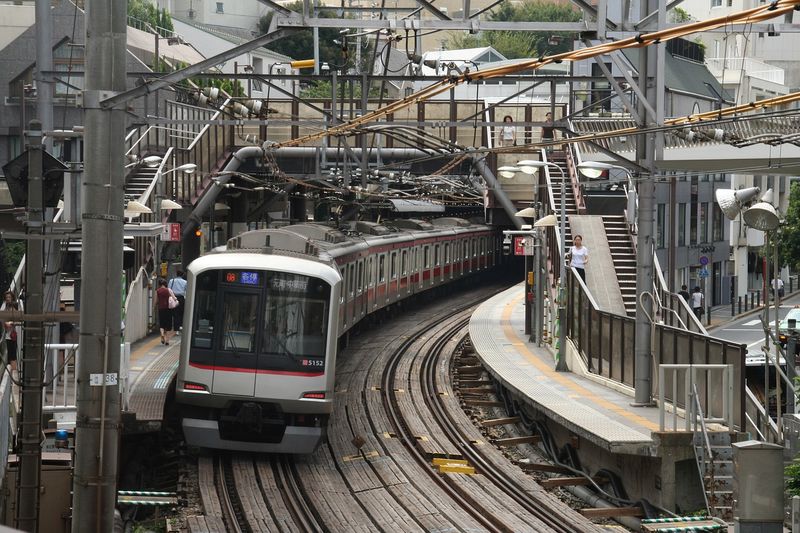
Getting around Tokyo means using a sophisticated public transport system made up of JR trains that reach the main stations in the city, subways and buses (which are less useful). To buy an unlimited pass for all subway lines, for 1 to 3 days of your choice, click here.
Subway rush hours are roughly 7:30 to 9:30 in the morning and 17:30 to 19:30 in the evening, and the last trains around midnight are packed too. The crowding reaches levels that even New York subway riders aren’t used to. So if that’s not your thing, avoid traveling at those times. Or, if you love experiences, go right then and see up close the staff whose job is literally to push people into the train! Women can use the women-only cars, introduced because of the crowding.
Tips to Help You on Your Visit to Tokyo
1. 1. In Japan you can buy a rechargeable transit card called Suica / Pasmo (in Tokyo) or Icoca (in Kyoto and the Kansai region). You load it with the amount you want and then use it hassle-free on public transport all over the country, no matter what the card is called or where you bought it. You buy and top up the card at major train and bus stations, at ticket machines marked Suica.
2. Carry toilet paper (missing from many public restrooms), socks (for entering temples without shoes) and a personal trash bag (because public bins are rare).
3. Tipping isn’t customary in Tokyo, it’s even considered offensive!
Where to Stay in Tokyo
Tokyo is huge and the choice of hotels is dizzying. Here are recommendations for excellent hotels in the central areas near Shibuya and Shinjuku stations, from which it’s quick and easy to get anywhere in the city.
Recommended Hotels Near Shinjuku Station
Hotel Gracery Shinjuku: famous for the Godzilla peering over it! A 4-star hotel right next to Shinjuku station. The rooms are modern, clean and pleasant, and fairly sized by local standards. The staff are friendly, and there’s a range of entertainment, shops and restaurants nearby.
JR Kyushu Hotel Blossom Shinjuku: also a 4-star hotel near Shinjuku station, with spotless rooms that aren’t too small, an excellent breakfast and a calm atmosphere. The price is nice too.
If you’re looking for a luxury hotel near Shinjuku station, the Park Hyatt Tokyo is an excellent option, with a spa and stunning city views.
And if you’re into saving money, Hotel Sunroute Plaza Shinjuku is super popular and good quality, even though its rooms are a bit small, as expected.
Recommended Hotels Near Shibuya Station
SHIBUYA STREAM HOTEL A lovely 4-star hotel at a great price, near Shibuya station. The hotel is beautifully designed, the rooms are clean and a good size, the atmosphere is pleasant and the staff really go out of their way to help.
sequence MIYASHITA PARK (Shibuya) also an excellent 4-star hotel, with rooms that aren’t too small, friendly staff and a winning location!
For a treat: Cerulean Tower Tokyu Hotel is an amazing 5-star hotel near Shibuya station, with no fewer than 8 restaurants, a spa, a fitness center, a patisserie and a childcare room! The rooms are spacious and the price isn’t much higher than the 4-star hotels in the area.
And for budget travelers: Shibuya Tobu Hotel, recently renovated, offers good value for money and heartfelt service.
Recommended Tours in Tokyo
So you’ve arrived in the city. If it’s your first time in Japan, everything probably looks foreign and strange, and between us, even if it’s your third time… Our recommendation is to start with an orientation tour of Tokyo, to understand where you’ve landed. One of the best ways to get to know the city is a guided tour, which saves you getting lost, takes you to the main attractions and enriches your knowledge.
Free Tour (Tip-Based Tour)
If you don’t want to commit or pay too much, you can join a tip-based tour. What does tip-based mean? You join the tour and at the end decide how much to give the guide. I really recommend taking the tour on the first day of your vacation, because along the way you get loads of useful tips and recommendations for restaurants and places worth visiting, and even warnings about tourist traps.
On the GuruWalk website you’ll find tip-based tours to get to know the city.
Hop-On Hop-Off Bus
Before you buy tickets for anything else, consider whether it’s worth buying tickets for the tourist bus. It takes you through Tokyo’s main sights over two days. You can get on and off as often as you like, and it takes you comfortably everywhere. The open roof of the double-decker lets you experience the city up close, and the audio guide helps you understand what you’re seeing. The bus has 3 lines with different routes, and as mentioned the ticket is valid for two days, so pick the routes that interest you most. You can of course combine 2 routes in one day. Places the bus passes (where you can of course get off, explore and get back on) include Shinjuku, Shibuya, Tokyo Skytree, Asakusa and more.
If you prefer a more structured plan, or have little time in the city, this bus will take you comfortably between the city’s main sights, including Meiji Shrine, Asakusa, the Imperial Palace, the National Diet Building and more. The trip also includes a Japanese meal and ice cream or matcha tea! At the end of the day, after about 10 hours, the bus will bring you back to your hotel tired but happy. Of course, the trip includes an English-speaking guide, and it’s a great way to see as much of Tokyo as possible in a short time without getting lost.
As you’ve probably gathered, visitors to Tokyo have loads to see and do, so we’ve collected all the top places and arranged them by area, to save you precious travel time.
Shibuya
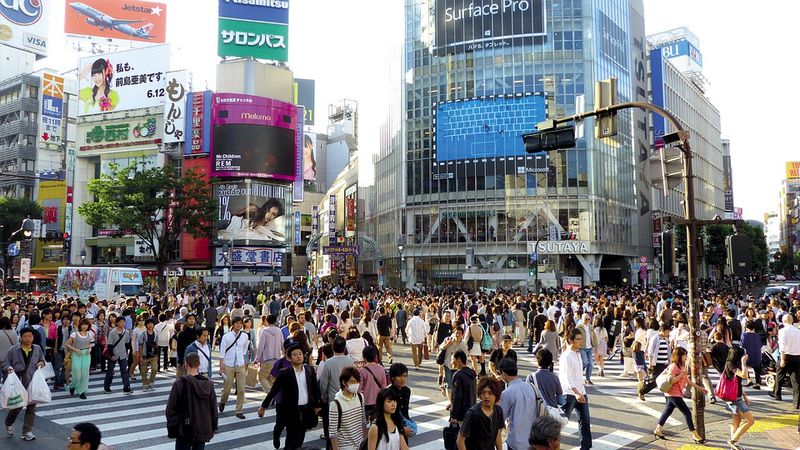
The most famous and popular neighborhood (actually a city ward) in Tokyo! Shibuya Station is the heart of the area, and next to it stands the statue of Hachiko, the famous dog who waited at this station every day for many years for his owner, who had died. To find the statue, look for the station’s “Hachiko Exit”. Near the same exit is the huge, bustling scramble crossing, where thousands of pedestrians cross diagonally under countless glowing billboards that rival Times Square. Once you’ve taken it in and taken your photos, spend a few hours wandering among the giant stores, restaurants and many pubs.
This is the area around the station of the same name, part of Shibuya ward and bordering Shinjuku. It’s the place to see, be seen and shop for all the fashion lovers among us. There’s a range of local clothing stores and international brands, and lots of young people showing off all kinds of weird and wonderful fashion styles, especially on Sundays, when cosplay fans gather at the entrance to Meiji Shrine dressed from head to toe in spectacular, strange outfits. The main shopping street is Takeshita Street (Takeshita), a colorful mix of fashion shops and restaurants.
Meiji Shrine
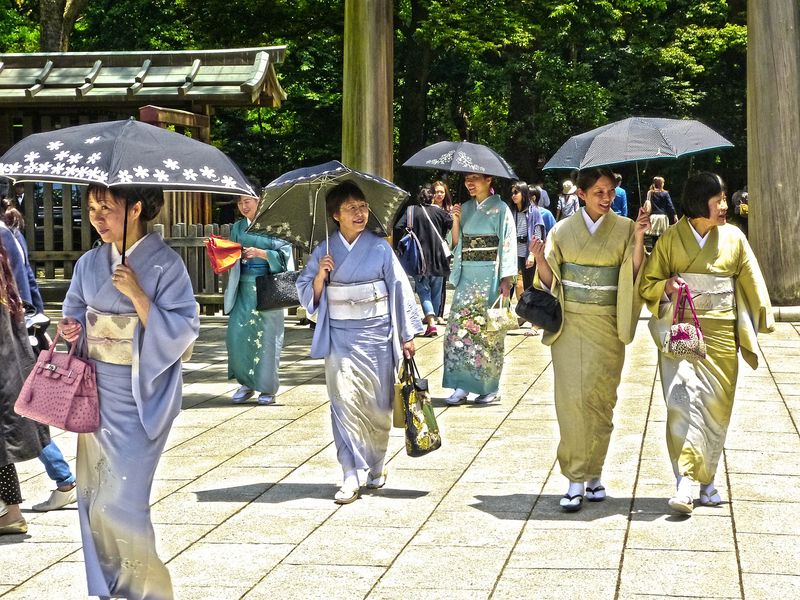
Located on the west side of Harajuku Station, inside a dense forest of tens of thousands of trees. The shrine is dedicated to Emperor Meiji, the first emperor of modern Japan, and his wife, the Empress. It was inaugurated in 1920, destroyed in World War II and rebuilt in 1958. The site was chosen because there was an iris garden here, which you can still enjoy today in June, when the irises bloom. The forest around the shrine is made up of 365 tree species donated by people from all over Japan. The shrine has two areas: the inner precinct, with a museum displaying items belonging to the Emperor and Empress, and the outer precinct, with a gallery of huge paintings of events in the imperial couple’s lives, next to national stadiums and the Meiji Memorial Hall, now used for weddings. From time to time there are also various exhibitions, such as ice carving or bonsai. Entry to the shrine is free, and it’s open from sunrise to sunset. And if you come on a Sunday, you might see a couple in traditional wedding clothes.
Yoyogi Park
Right next to Meiji Shrine, it’s a huge green space in the heart of the city. The park is famous for a curious phenomenon: men dressed like Elvis Presley who gather at the entrance and dance. Apart from that, the park is a great place to get some fresh air, rest or go for a jog.
Shinjuku
As mentioned, Shinjuku Station is the busiest in the world, and around it you’ll find lots of hotels, department and electronics stores, restaurants and bars. Next to the station is Shinjuku Gyoen, a huge and popular park with a Japanese garden, an English garden, a French garden and lots of cherry trees. If you come during the blossom season, they’re a spectacular sight, and if you come in autumn, the foliage colors here don’t disappoint either.
Shinjuku’s entertainment district is called Kabukicho, a kind of “red-light district” of the city, which also has many “innocent” bars and restaurants. If you’re interested in getting to know Tokyo’s nightlife up close, join a guided night tour of the district.
. If you’re more interested in local food, there’s also a night restaurant tour, which includes tastings of sushi and fine meats.
And if there’s one experience you mustn’t miss here, it’s the samurai restaurant, designed with spectacular, crazy sets, which puts on a samurai show every evening with costumes, lights and unforgettable effects!
Shinjuku is also home to the Tokyo Metropolitan Government Building, which is much more impressive than it sounds. It’s a single building that splits into twin towers at the 33rd floor. On the 45th floor of each tower is an observation deck you can visit for free, with a lovely view of the city. Opening days and hours vary for each tower, so check before you go.
Tokyo Imperial Palace (Kokyo)
The palace, surrounded by gardens, is the residence of the Emperor of Japan! Edo Castle, the seat of the shoguns, once stood here (Edo was Tokyo’s former name), and after 1868 the emperor moved in. The palace was destroyed in World War II, and the current palace was built in the 1960s. Around it are defensive moats, watchtowers and a dense forest, and about 1,000 people work there, caring among other things for the palace bonsai garden. The palace grounds are divided in two: the western part can only be visited on a guided tour, which is free but must be booked in advance on the Imperial Household Agency website. You can also just show up and queue at the gate and hope there’s a place left. The tour schedule may change, so check the days and times on the website in advance. The inner palace itself can only be visited on the Emperor’s birthday, February 23, or on January 2 each year.
The East Gardens of the palace, home to a museum displaying a collection of imperial items, can be visited freely and entry is free, except on Mondays and Fridays, when they’re closed.
Near the Imperial Palace, it presents in a unique way Japan’s transition from a traditional society to one connected to global modernization. The museum has more than 10,000 works showing, chronologically, the cultural change Japan has undergone since the early 20th century. It also hosts various temporary exhibitions. Recommended if you love culture and art and want to get to know Japan and its development from this angle too.
This ward is home to Ginza, which is worth visiting if you miss shopping in New York… Here you’ll find all the Western brands and famous top designers, as well as the leading electronics companies. Don’t miss Ginza Sony Park, on the site of the former Sony Building. Among the brands, I particularly recommend the huge Uniqlo store. And if you want something sweet, pop into the historic Mitsukoshi department store. In the basement you’ll find a range of Japanese and Western desserts and cakes, which you can take up to eat in the garden on the ninth floor. Note that at weekends the main street becomes pedestrian-only and it gets more crowded.
teamLab Planets
In Koto ward, next to Chuo, on the bay, is the unique and popular teamLab Planets. It opened in Toyosu in 2018 as a temporary exhibition, but has been extended again and again, currently until 2027. It’s digital art unlike anything you know, full of lights, effects, sound and movement, which invites visitors to actually step inside it. Don’t miss it! And don’t forget to wear trousers you can roll up, because you go in barefoot and on the way you may wade through knee-deep water!
If you’re only going to visit one market in Japan, I recommend this one! It’s one of the biggest markets in Tokyo and will sweep you into an authentic Japanese experience, especially at weekends, when there are more stalls and more visitors. You get there by train, getting off at Ueno station.
You can find absolutely everything at the market: food of all kinds, from fruit to seafood, fashion, cosmetics, housewares, souvenirs and ready-to-eat food stalls so you have energy left for shopping. Important tip: at participating stores, purchases above a certain amount qualify for tax-free shopping, so don’t forget your passport! And bring a big appetite.
Ueno Park and Its Museums
Next to the market is Ueno Park, where you can see the cherry blossoms in spring. At weekends it hosts a range of events such as festivals of all kinds, so if you’re there at the right time, wander around and see what’s on. The park is also home to several museums worth visiting, depending on your interests. At the Tokyo National Museum you’ll find Japanese and Asian art and antiquities, and at the National Museum of Nature and Science you can see the preserved Hachiko. There are also several art museums in the park.
Asakusa and Senso-ji Temple
Asakusa is the area of Taito ward you come to for a feel of old, more traditional Japan. It’s on the Sumida River, not far from Tokyo Skytree. Wander around and take in the many shops on Nakamise and Shin-Nakamise streets and Sumida Park, which runs along both banks of the river, or go on a river cruise with dinner and drinks.
But the highlight here is without doubt Senso-ji, the oldest and most famous Buddhist temple in Tokyo! More than 30 million visitors come every year, so join them. The temple was founded in 645 (!), although it was bombed in World War II and has been restored since. In its courtyard stands a tree damaged by the bombing, a symbol of peace and rebirth, which is how the Japanese see the restored temple too. Tokyo’s most important festival, Sanja Matsuri, takes place here in late spring. At the entrance stands the “Thunder Gate” (Kaminarimon), followed by the “Treasure House Gate” (Hozomon), and beyond it a magnificent pagoda. Between the gates are many shops and stalls, and inside the temple grounds there’s also a lovely Japanese garden.
As mentioned, it’s one of the tallest structures in the world and the tallest tower in the world. It stands in Tokyo’s Sumida ward and is 634 meters high. You really must visit and take in the view from here, especially if you haven’t been to the Burj Khalifa. Besides the observation decks, the tower is used for TV and radio broadcasting. It has 2 observation decks (at 350 and 450 meters) 13 elevators and colorful lighting that changes every day. On the upper deck you can walk on a glass floor and look down at the streets below. Not for the faint-hearted! And if it matters to you, the tower is considered earthquake-resistant.
Also in Sumida ward is the Ryogoku area. Take a stroll here to see sumo wrestlers walking around the streets. And if you’re interested, you can also buy tickets to watch training sessions or even tournaments.
To secure a good spot and watch sumo wrestlers in action up close, click here.
Roppongi and Tokyo Tower
Tokyo Tower is an observation tower that lost a bit of its glamour after Tokyo Skytree was built. It’s near Roppongi, where many of Tokyo’s foreign residents go out. The tower looks like the Eiffel Tower but is taller! It’s 332.5 meters high, 2.5 meters more than the Eiffel Tower! You can go up to the observation decks at 150 or 250 meters. The lower deck also has a glass floor to look down through and a café. At the foot of the tower is a building called FootTown, with a range of restaurants and shops, from which you take the elevators up the tower itself.
If you’re looking for a spectacular, colorful and unforgettable experience in Tokyo, don’t miss teamLab Borderless. It’s an immersive digital world where art breaks through the walls, changes all the time and moves with you. From personal experience, highly recommended! Our son, aged 3.5, was captivated by the lights, sounds and interactions too. Pro tip: even if the official website seems to show no tickets available, it’s worth checking on Klook: we managed to find a spot there at the last minute.
Also in the Roppongi area you’ll find what may be the biggest spider in the world: a giant spider sculpture outside Mori Tower, which has a range of shops and restaurants, an art museum and, of course, a view of the city.
We wish you a fun trip to Tokyo, and we’d love it if you come back and tell us in the comments how it was and what you enjoyed most!