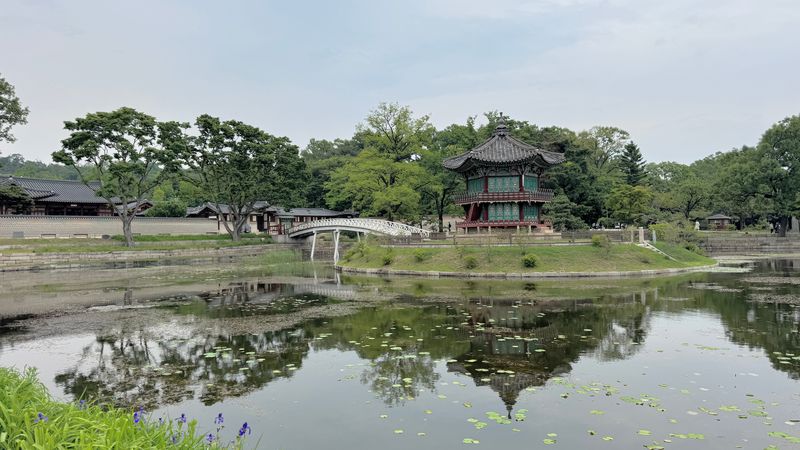
South Korea surprises many travelers on their first visit. On one hand there are modern cities, excellent street food and a young, dynamic culture; on the other, ancient temples, traditional villages, green mountains and impressive nature.
One of the first questions that comes up when planning a trip is when to go and how much time to give the country. The answer depends, of course, on the season and your travel style, but a few principles will help you plan your itinerary wisely.
The Best Time to Visit South Korea
South Korea has four very distinct seasons. Each offers a completely different experience, so your choice of travel dates can strongly affect the atmosphere and scenery you’ll find along the way.
Spring (March to May)
Spring is one of the most popular times to travel in the country.
It’s the season when nature wakes up, temperatures are pleasant and the landscape fills with blossoms. The highlight, of course, is the cherry blossom, which usually takes place between late March and early April in the south of the country, and from early to mid-April in the Seoul.
area. During this period, parks, rivers and tree-lined avenues fill with pink blossoms that draw many visitors.
Average temperature:
10 to 20°C.
Advantages:
- Pleasant weather
- Cherry blossoms
- Lots of festivals and events
Main drawback:
it’s a popular tourist season, so some sites are busier.
Summer (June to August)
Summer in Korea is relatively hot and humid, and sometimes rainy because of the monsoon season.
Even so, it’s a great time for those who love lush green nature, festivals and a lively atmosphere. Cities like Busan fill with visitors heading for the beaches, and there are quite a few local festivals.
Average temperature:
25 to 32°C.
Advantages:
- Especially lively beaches
- Festivals and events
- Lush green nature
Disadvantages:
- High heat and humidity
- Monsoon rains (mainly in July)
Autumn (September to November)
Many consider autumn the most beautiful season to travel in South Korea.
. Temperatures are pleasant, the skies are usually blue, and the mountains are covered in foliage in vivid shades of red, orange and gold. National parks and hiking trails become especially popular at this time.
Average temperature:
12 to 25°C.
Advantages:
- Perfect hiking weather
- Spectacular autumn foliage
- Less humidity than in summer
Drawback:
it’s another peak season, so book accommodation in advance.
Winter (December to February)
Winter in South Korea is cold and sometimes snowy. Temperatures can drop below zero, especially in mountainous areas.
Even so, it’s an interesting time to travel, especially for those who love snowy landscapes, skiing and a special Asian winter atmosphere. Many cities are decorated with festive lights, and there are winter markets and seasonal festivals.
Average temperature:
-10 to 5°C (during the day in Seoul it hovers around freezing).
Advantages:
- Snowy landscapes
- Excellent ski resorts
- Fewer crowds
Disadvantages:
- Serious cold
- Some nature attractions are less accessible
How Long Do You Need for a Trip to South Korea
One of the reasons a trip to South Korea is easy to plan is the excellent public transport. High-speed trains connect the big cities, so you can see a lot even in a relatively short time.
The recommended length of your trip depends on your pace, of course, but these are the common options:
One Week
If you only have a week, it’s best to focus on one area.
The classic itinerary includes:
- Seoul
- Day trips from the city
- Perhaps a short stop in Busan
This lets you get to know the country’s culture, food and atmosphere without feeling like you’re constantly racing.
10 Days
This is an excellent length for a first trip to Korea.
A popular itinerary looks like this:
Seoul
→ Gyeongju
→ Busan
This way you can combine a modern city, an important historic site, and beaches and excellent food in the south of the country.
Two Weeks
Two weeks let you see Korea much more fully.
A common itinerary includes:
Seoul
→ Sokcho and Seoraksan National Park
→ Gyeongju
→ Busan
→ Jeju Island
It’s an excellent mix of cities, nature, history and beaches.
Booking Trains and Transfers Between Cities
When we planned our itinerary in Korea, we found that one of the most convenient ways to travel between cities is by high-speed train and intercity bus. The country’s transport system is excellent, and the journeys between cities such as Seoul, Gyeongju and Busan are relatively short and comfortable.
To check travel times and book tickets in advance, you can use
12Go, which brings together trains, buses and transfers between cities across Asia in one place.
The big advantage is that you can easily compare different options, see travel times and reserve a seat in advance, especially in busy seasons.
You can check availability and book tickets via the link here.
So When Should You Go, and How Long Should You Stay?
If your goal is pleasant weather and spectacular scenery, spring and autumn are the best times.
As for the length of the trip,
10 to 14 days is an ideal length that lets you see the main sights without rushing.
Even on a shorter trip you can really enjoy the country, especially if you focus on one area and plan your itinerary wisely.
South Korea is a varied destination, easy to travel and full of surprises, and the better you plan the season and timing, the richer and more enjoyable your trip will be.