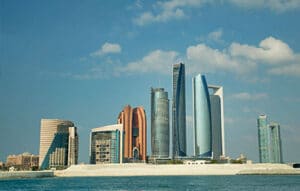
Taiwan is one of the most rewarding destinations in Asia. While neighbors such as Thailand and Japan absorb mass tourism, Taiwan remains relatively undiscovered, and that’s exactly what makes it so special. Between the glittering skyscrapers of Taipei and mist-shrouded mountain peaks, between centuries-old temples and noisy night markets, there’s a whole world waiting to be discovered. We’ve gathered 10 places you mustn’t miss on a trip to Taiwan, with all the information you need to plan the perfect itinerary.
If you’re planning an itinerary with kids, take a look at our 8-day Taiwan itinerary with kids, full of practical tips from real experience on the ground.
1. Taipei 101: The Symbol of Modern Taiwan
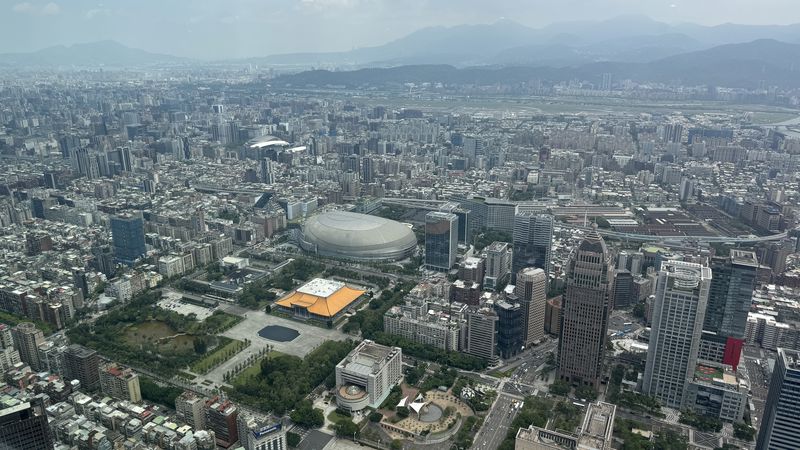
Until 2010 Taipei 101 was the tallest building in the world, and even today, when it no longer holds that title, it remains the city’s most distinctive and recognizable symbol. The 101-story building was designed in the image of bamboo, a symbol of growth and resilience in Chinese culture, with each segment adding another section to its impressive height.
A trip up to the 89th-floor observatory offers a 360-degree panoramic view of the whole city, and on clear days you can see as far as the mountains around it. Don’t miss the giant 660-tonne ball hanging in the upper floors, a unique engineering device that stabilizes the building against earthquakes and typhoon winds and is considered one of the largest tuned mass dampers in the world. The lower floors also house a luxury mall and a range of restaurants, so you can combine your visit with a meal or some shopping.
2. The National Palace Museum in Taipei: The World’s Greatest Treasury of Chinese Art
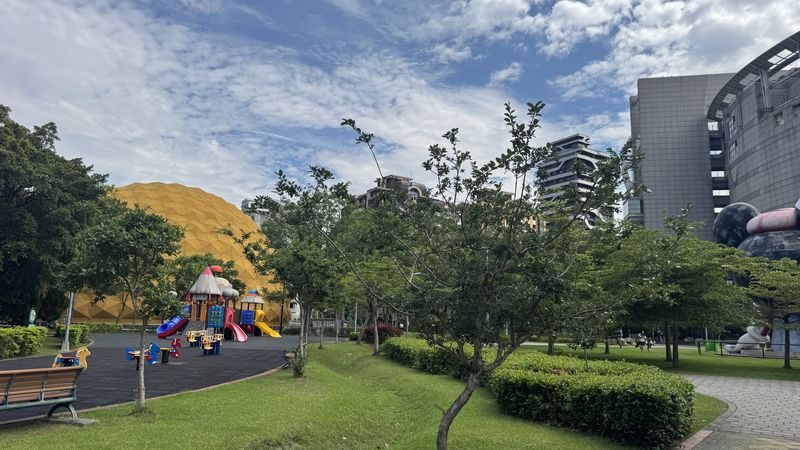
The National Palace Museum is home to nearly 700,000 pieces of ancient Chinese art, much of it from the former imperial collection. Many of the treasures were moved from the mainland in the late 1940s, during the Chinese Civil War, and found a permanent home in Taiwan.
Highlights include bronze vessels thousands of years old, delicate jade carvings and rare calligraphic manuscripts. Even those who aren’t usually museum fans are likely to be impressed by the scale of the collection and the way it tells the story of a culture thousands of years old. Allow at least two hours, and consider an audio guide so you don’t miss the most important pieces among the vast sea of exhibits.
3. Jiufen: The Mountain Village Said to Have Inspired “Spirited Away”
Jiufen is a former mining village on a steep mountainside with an open view of the ocean. During the gold-mining boom of the early 20th century it was a bustling center, and after the mines were abandoned it became almost a ghost town, until tourism brought it back to life in the early 1990s.
Its narrow alleys, old teahouses and steep stone steps have earned it a reputation as one of the most atmospheric villages in Asia, and some claim it was one of the inspirations for the bathhouse in Miyazaki’s animated film. In the evening, when the red lanterns light up and their glow is reflected on the wet streets, you immediately understand why this village has become one of the most photographed places in the country. Arrive in the early afternoon to explore in daylight, and stay until dusk to catch that magical moment.
4. Taroko Gorge: The Spectacular Marble Canyon
Taroko National Park, on Taiwan’s east coast, is considered one of the most impressive natural sites in all of Asia. The canyon was carved over millions of years by the Liwu River through white marble cliffs, creating dramatic trails that wind between steep rock walls.
The Tunnel of Nine Turns and the Baiyang Trail are among the most popular routes, both offering spectacular viewpoints over the canyon and its waterfalls. Some trails are carved right into the rock, giving an almost unreal feeling of walking inside the mountain itself. Allow at least a full day for the area, and check trail status in advance: some trails close from time to time because of rockfall risk, especially after heavy rain, and several sections were damaged in the April 2024 earthquake.
5. Sun Moon Lake: The Blue Pearl of Nantou County
Sun Moon Lake is the largest lake in Taiwan, named because its eastern part is round like the sun and its western part is shaped like a crescent moon. It’s surrounded by green mountains and low clouds that create an almost magical atmosphere, especially in the early morning.
Around the lake runs an excellent cycling path of about thirty kilometers, one of the most beautiful in Asia according to many riders. You can also take a boat around the lake, visit the impressive Wenwu Temple on its shore, and ride the gondola from the lake to the Formosan Aboriginal Culture Village, where you can learn up close about the culture and traditions of Taiwan’s Indigenous peoples. Nights in the area are also known for clear skies, and quite a few travelers choose to stay just to watch the stars.
6. Shilin Night Market: The Ultimate Street-Food Experience
Shilin Night Market is the biggest and most famous of the dozens of night markets scattered across Taipei, and one of the things that best represents Taiwanese food culture. The market spreads over crowded alleys full of stalls, smells, colors and sounds that flood your senses from the first moment.
Dishes worth trying include the giant fried chicken cutlet, much bigger than the plate it’s served on, and stinky tofu, whose smell is especially strong but whose taste surprises many with its delicacy. Also try scallion pancakes, chopped clams with garlic sauce, and sweet shaved ice for dessert. Beyond the food stalls, the market also has a shopping area with clothes, accessories and traditional carnival games, so there’s enough for a whole evening.
7. Lukang: Historic Taiwan
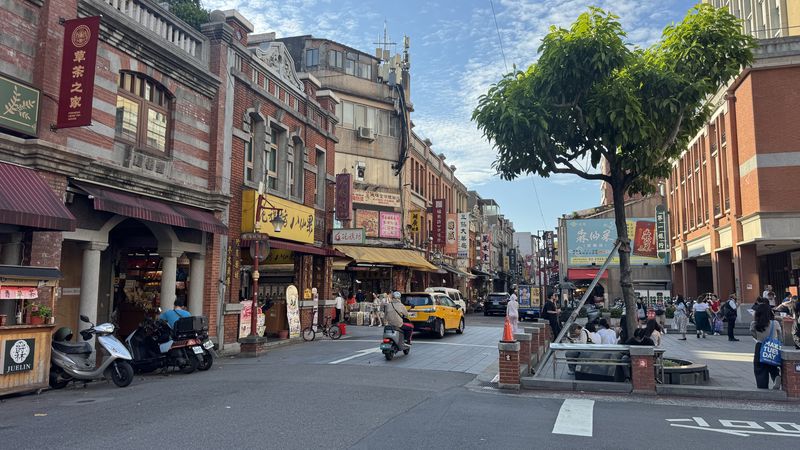
Lukang was once one of Taiwan’s most important ports, and its name literally translates as “Deer Harbor”. At its peak in the 18th century it was one of the largest towns on the island, but after the harbor silted up and trade moved elsewhere, it remained almost frozen in time.
The result is a town with one of the highest concentrations of heritage sites in Taiwan: centuries-old temples, narrow traditional alleys, and old craft shops that pass down the arts of woodcarving and paper work from generation to generation. It’s a great place to escape the modern bustle of the big cities and connect with the old, authentic Taiwan that has almost disappeared.
8. The Alishan Mountains: The Sea of Clouds and the Tea Fields
The Alishan area, high up in Chiayi County, is famous mainly for two things: sunrises over a “sea of clouds” and high-quality oolong tea grown on the mountain slopes. The combination of altitude, humidity and cool temperatures creates ideal conditions for tea, and tasting a fresh cup right where it was picked is an experience in itself.
A small, historic mountain railway, originally built by the Japanese to haul timber, now runs through forests of giant trees and offers a comfortable, exciting way to explore the area. Many travelers get up while it’s still dark to grab a spot at the top viewpoints and watch the sunrise above the clouds, a moment that’s hard to describe and stays with you long after you’re home.
9. Kaohsiung: The Lively Southern City
Kaohsiung is one of Taiwan’s largest cities and its biggest port, yet it remains much less touristy than Taipei, making it a refreshing choice for those who’ve already visited the capital. The city combines a long seafront, a lively contemporary art scene and a more relaxed southern atmosphere.
The Pier-2 Art Center is an arts and creative hub set up in old harbor warehouses converted into galleries, design shops and colorful graffiti walls, with an urban bohemian vibe. In the city is Lotus Pond, a temple complex reflected in a large pond and decorated with giant dragon and tiger pagodas you can walk through. In the evening, head up to an observation point at Kaohsiung harbor, or simply stroll along the waterfront and experience the slower pace of life in the south.
10. The Hot Springs of Beitou: Relaxation in the Heart of Nature
Beitou is a volcanic hot-spring area just a short ride from central Taipei, easily reached by metro. The neighborhood grew up around a sulfurous water source that has filled healing pools since the early 20th century, during the Japanese era, and some of the historic bathhouses are still in use today.
The sulfurous mist rising from the ground, together with the green mountains surrounding the valley, creates an almost otherworldly atmosphere, despite being so close to the city. You can choose between private luxury spa complexes and cheaper public pools, and it’s best to fit in a visit at the end of an intense day of sightseeing, when the hot sulfur water simply feels like a treat that heals tired legs.
Tips Before You Fly to Taiwan
- Transport: the THSR high-speed rail connects Taipei with the south of the island in about two hours and is considered the most convenient and efficient way to travel between cities.
- Best season: the spring months, March to May, and the autumn months, September to November, offer pleasant weather and less rain than the summer and typhoon season.
- Language: Mandarin is the official language, but in the main tourist areas you’ll get by well with basic English.
Taiwan offers a rare combination of a lively modern city, dramatic nature and rich culture, for as long as it hasn’t been flooded by mass tourism like its Asian neighbors. If you’re planning a full, detailed itinerary, check out our 8-day itinerary for more tips from the ground.