We landed in Fukuoka on the first day of April, traveled north with the cherry blossoms, spent 12 days driving in northern Japan, where most tourists never go, continued to the Japanese Alps, and finally moved on to Busan and Seoul. Here’s the whole itinerary: where we stayed, how we got between places, what things cost and what I’d do differently.
- When? April to May 2025
- How long: 59 days (48 nights in Japan and 10 in South Korea)
- Who: A couple and a 3-year-old, sometimes with extra guests
This wasn’t an ordinary trip. In some places we worked, so we traveled slowly: nine nights in Osaka and another nine in Yokohama. We set off from Bangkok and booked flights by searching on Skyscanner, choosing whatever was cheapest and most convenient at the time. I wrote about how to search for flights this way in the guide to searching for flights on Skyscanner. If it’s your first trip to Japan, it’s also worth reading how to plan a vacation in Japan and the frequently asked questions of travelers to Japan.
Want to see the trip as it happened? I saved all the stories from the road in my Instagram highlights: Japan, part 1 (Fukuoka, Hiroshima and Kyoto), Japan, part 2 (Osaka, Tokyo and the start of the road trip), Japan, part 3 (the north and the Alps) and South Korea. And if you don’t follow yet, you’re welcome to join @shiryam_check_in_out.
The Itinerary at a Glance
| Dates | Where | Nights | Where we stayed | How we got there |
|---|---|---|---|---|
| 1.4 to 3.4 | Fukuoka | 2 | APA Hotel Hakata Higashihieekimae | Overnight flight from Bangkok |
| 3.4 to 7.4 | Hiroshima | 4 | Daiwa Roynet Hotel Hiroshima | Shinkansen |
| 7.4 to 10.4 | Kyoto | 3 | Kyoto Hana Hostel | Shinkansen |
| 10.4 to 19.4 | Osaka | 9 | LEOPARD Shinsaibashi | Train |
| 19.4 to 24.4 | Tokyo | 5 | APA Hotel Roppongi SIX | Shinkansen |
| 24.4 to 25.4 | Kawaguchiko (Fuji) | 1 | 04 Resort Club RIN | Rental car from Narita |
| 25.4 to 26.4 | Ashikaga | 1 | HOTEL R9 The Yard Ashikagafukutomi | Car |
| 26.4 to 28.4 | Inawashiro, Fukushima | 2 | Lake View Inawashiro | Car, via Nikko |
| 28.4 to 30.4 | Mogami, Yamagata | 2 | Ryokan Kansyokan | Car |
| 30.4 to 2.5 | Morioka | 2 | Daiwa Roynet Hotel Morioka | Car |
| 2.5 to 5.5 | Sendai | 3 | Daiichi Inn Park | Car |
| 5.5 to 6.5 | Tsuchiura | 1 | BEB5 Tsuchiura | Car, via Hitachi Seaside Park |
| 6.5 to 8.5 | Toyama | 2 | Toyama Manten Hotel | Second car from Narita |
| 8.5 to 10.5 | Kanazawa | 2 | HOTEL AMANEK Kanazawa | Car |
| 10.5 to 19.5 | Yokohama | 9 | Daiwa Roynet Hotel Yokohama-Koen | Car, via Shirakawa-go and Kamikochi |
| 19.5 to 22.5 | Busan | 3 | Nampo Hound Hotel Premier | Flight from Narita |
| 22.5 to 29.5 | Seoul | 7 | Urban Space Seolleung | KTX train |
| 29.5 | Flight to Bangkok | Flight from Incheon |
Fukuoka: The First Sakura
We landed at seven in the morning after an overnight flight from Bangkok, and from the first moment it was a different world. Finally cold, and right at the start of the blossom season. Fukuoka is a great starting point for an itinerary that heads north with the sakura, because the blossoming starts in the south.
Where we stayed: APA Hotel Hakata Higashihieekimae, near Higashi-Hie station. One stop from the airport and one stop from Hakata, so perfect for the first nights.
What we did: On the first day we walked around Maizuru Park, around the ruins of Fukuoka Castle, which was all in bloom. The next day we went to Nishi Park and saw how locals picnic under the blossoming trees. Breakfast at Komeda’s Coffee cost the three of us 2,260 yen, about US$15. And we discovered a seven-story toy, game and candy store, where I lost Bob.
Shinkansen: How We Saved 3,000 Yen per Ticket
Within Japan we traveled on the Shinkansen, the bullet train. We checked the price of a ticket from Fukuoka to Hiroshima at the machine in the station, and it was over 9,000 yen. Through 12go the same ticket cost 6,600 yen – a saving of about 3,000 yen per ticket.
Note: small children don’t pay when they don’t get their own seat. At first we booked three tickets, because it said a child is free and we didn’t think we’d pay for him, but we were charged anyway. They canceled the booking for us, and we made a new one for two adults only.
Hiroshima: Four Nights
It’s hard to explain the feeling of walking around Hiroshima. On one hand, a city with a harrowing history. On the other, one of the most pleasant, calm and surprising cities we found in Japan. It got back on its feet much faster than most people think, there are trees that survived the blast and are still alive, and it’s very family-friendly.
Where we stayed: Daiwa Roynet Hotel Hiroshima, in the center, within walking distance of the Peace Memorial Park. I’ve gathered more accommodation options in the city in the guide to where to stay in Hiroshima.
What we did:
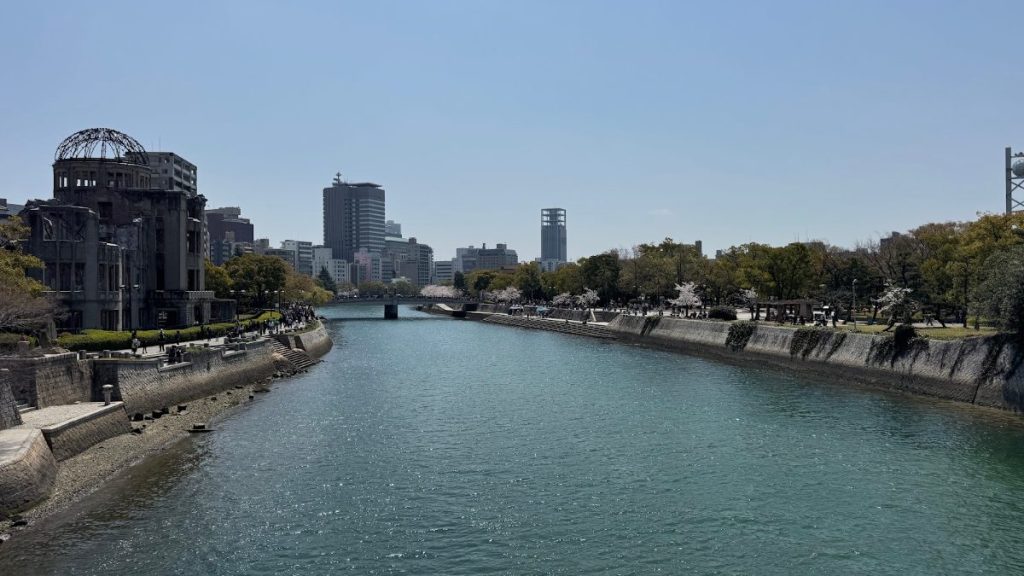
- Peace Memorial Park and the Atomic Bomb Dome. We went on the very first day, and the blossoms around the Dome added a lot.
- Hiroshima Castle. The park around the castle is full of pine trees and blossoms, and in the morning we saw locals practicing tai chi there.
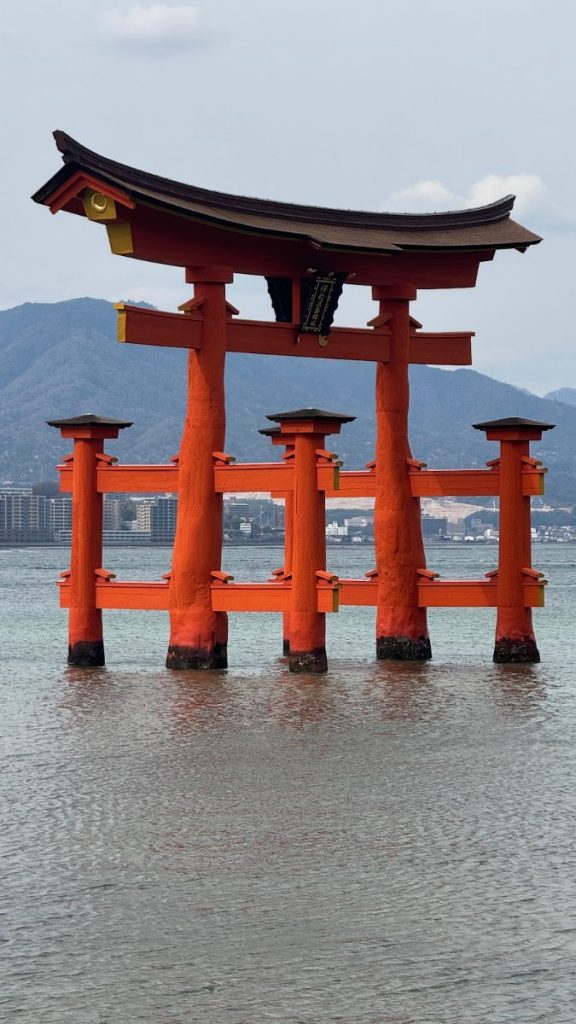
- Miyajima. A day trip to the island of the floating gate. The deer roam freely, and despite their innocent look, they don’t easily give up on your bags. At low tide you can walk to the gate, so check the tide times in advance.
- Hiroshima Children’s Museum, right next to the Atomic Bomb Dome. Entry is free, and it’s really worth it. We went back several times. Best suited to the little ones.
How to get to Miyajima: From Hiroshima Station take a JR train to Miyajimaguchi station, a ride of about half an hour. From there it’s a few minutes’ walk to the pier, where you board a ferry to the island, a crossing of about ten minutes. There are two ferry companies, JR and Matsudai, both running frequently. Since 2023 there’s also a visitor tax of 100 yen per person.
Where we ate: After several attempts at restaurants that didn’t work out, we decided to play it safe: Keiai Vegan & Vegetarian Chinese Food, an entirely vegetarian Chinese restaurant. The whole meal cost us 2,990 yen. More recommendations for the city, including family attractions, are in the Hiroshima guide.
Kyoto: Getting Up at 5:30
Kyoto isn’t the destination we fell in love with, but it’s not one we’d skip either. We arrived at the peak of the blossom season, and you could feel it. There were streets where we were literally stuck in a pedestrian traffic jam.
Where we stayed: Kyoto Hana Hostel, a Japanese-style room with futons on the floor.
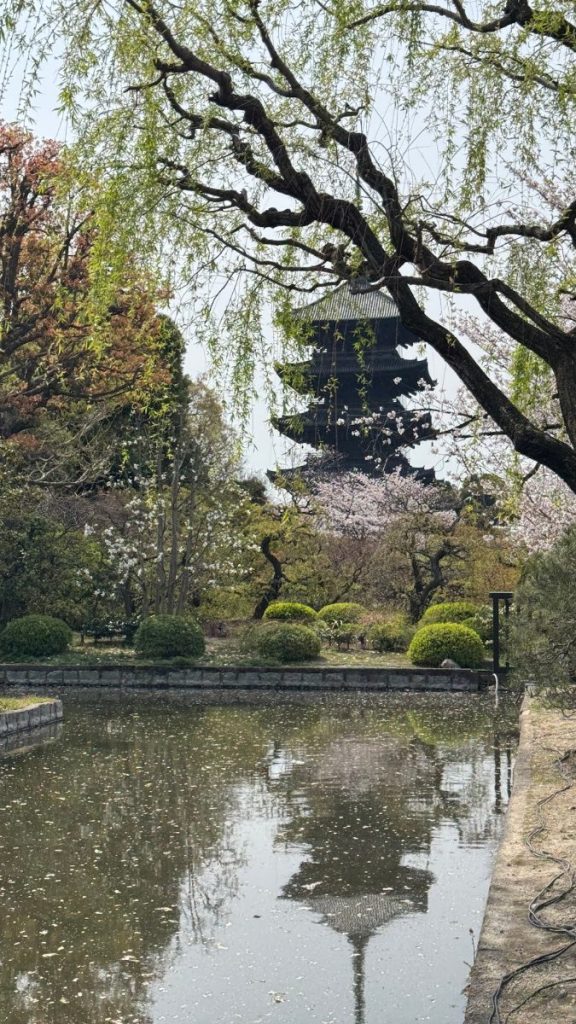
What we did: On the first day we visited Higashi Hongan-ji temple. On the second day we went to the natural disaster museum a friend had warmly recommended, and I was disappointed to find it closed that very day (check opening days in advance). From there we went to the To-ji pagoda, walked the streets a lot, took a guided tour of the Gion geisha district, and in the evening reached Gion Shirakawa. The Gion tour was a fascinating experience, and you can book a tour like it through GetYourGuide.
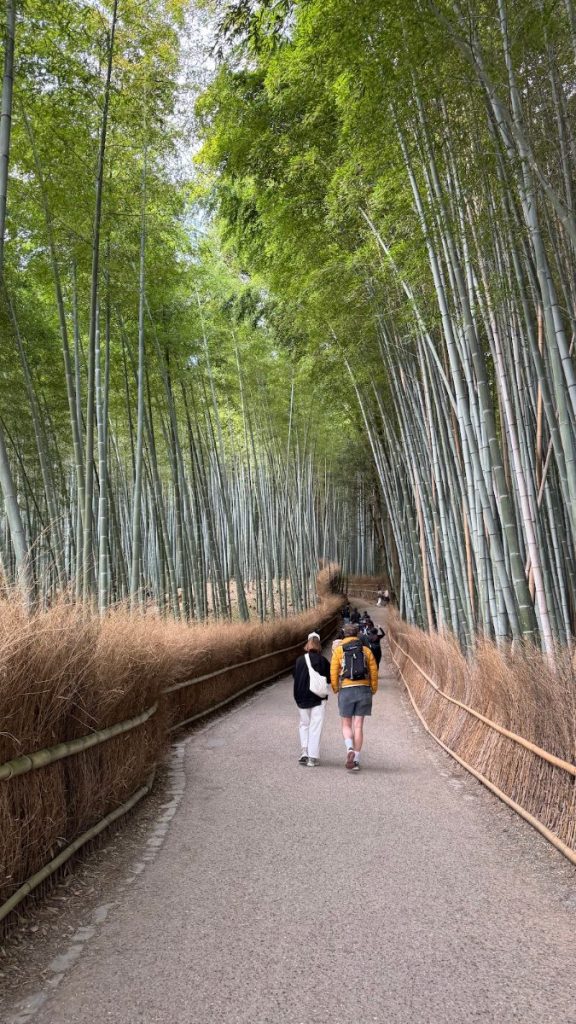
Arashiyama: get up early. We got up at 5:30 and left at 6:30 to reach the bamboo forest before everyone else. Before 8:00 it was almost empty. When we came back along the same path at ten, it was packed. From there we climbed to Iwatayama Monkey Park. The climb is exhausting, but at the top there’s a view over the whole city and a playground too. Feeding works the other way round there: you’re inside a cage, and the monkeys are outside.
The full guide to the city, with itineraries that also suit families, is in the Kyoto guide.
Osaka: Nine Nights of Work and Travel
In Osaka we stopped to work, so there were quiet days too. Precisely because of that, we managed to see a lot without rushing.
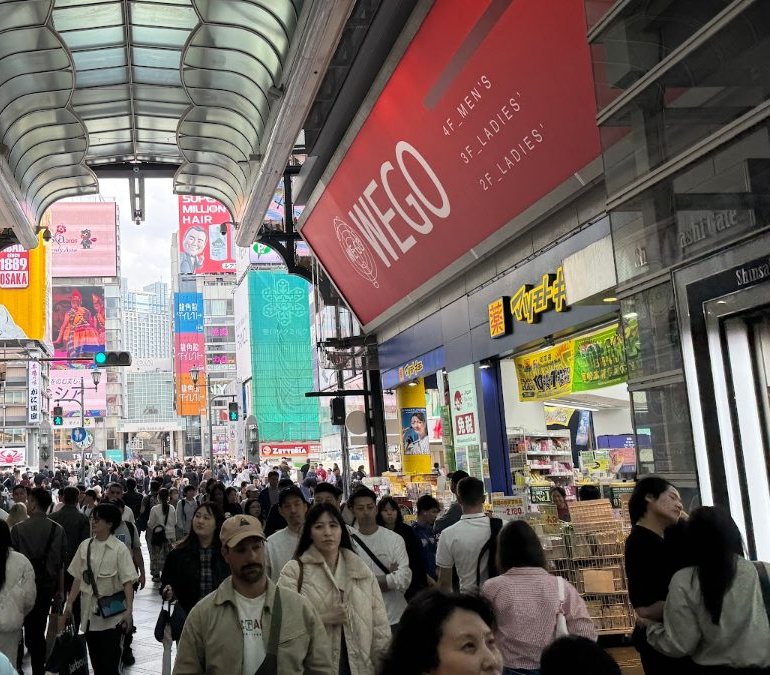
Where we stayed: LEOPARD Shinsaibashi, within walking distance of Dotonbori and Namba. It’s an apartment, not a hotel room, with a small kitchen. For a nine-night stay, with work and a child, that made all the difference: there was room to work, and we could cook simple meals ourselves instead of looking for a restaurant every evening. More accommodation options in the city are in the guide to where to stay in Osaka.
What we did:
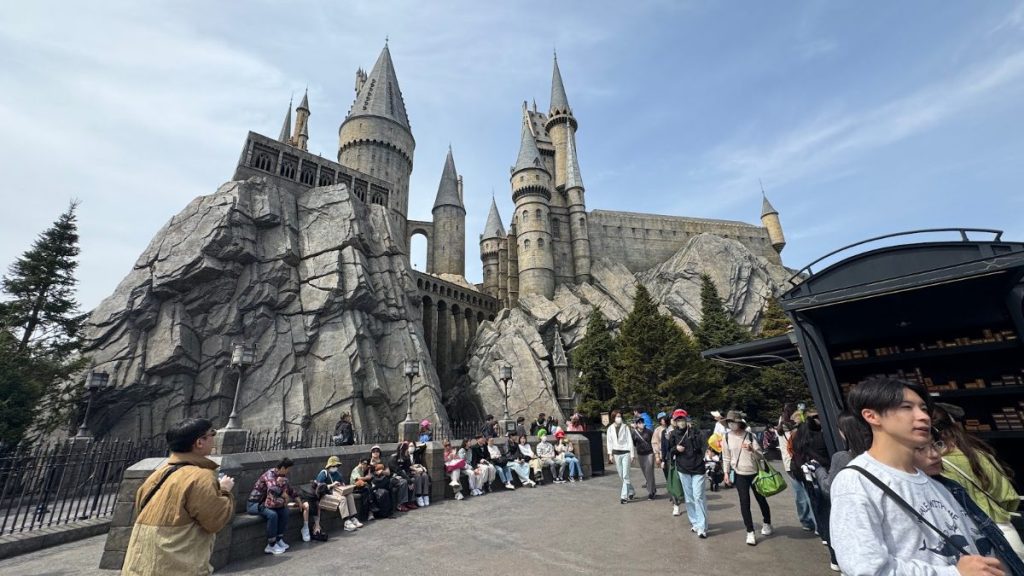
- Universal Studios. We don’t usually go to theme parks, but Peleg had just reached the Super Mario age. It was a crazy day: the water world show, Harry Potter and Jurassic Park were the best, and Nintendo was actually disappointing (160 minutes in line). We bought the tickets in advance through GetYourGuide. All the tips, from what time to arrive to how to secure Nintendo entry without running, are in the article on Universal Studios Japan.
- Osaka Castle. We went on a rainy day, and the blossoms in the gardens around it were still beautiful.
- Shinsekai and Tennoji Park. Less central, so less crowded and less touristy, but just as beautiful.
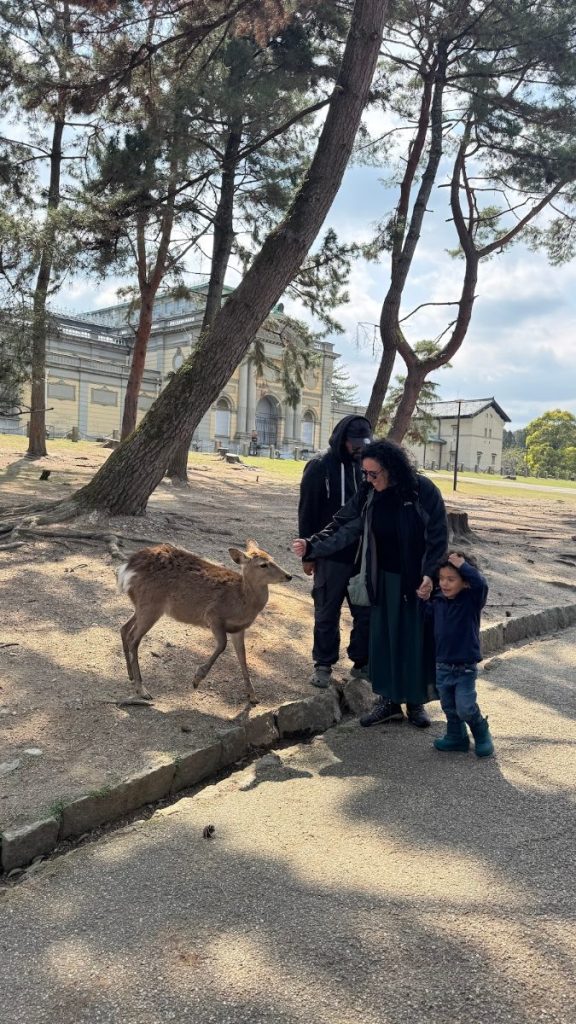
- Day trip to Nara. We got up early, met the deer in Nara Park and visited Todai-ji. We ate at the Indian-Nepali restaurant Lumbini, and the food was really tasty. More about Nara is in the article on a day trip to Nara.
- Expo 2025. Bob and Eyal, who joined us in Osaka, went to the Expo. When they arrived at eight in the morning there were already long lines, and the gates only opened at nine.
- Round1. That day Peleg and I spent time at the huge Round1 entertainment center: eight floors of arcade machines, bowling, karaoke and attractions. A real Japanese experience.
Where We Ate in Osaka
- CAFE ANNON in Namba: fluffy Japanese pancakes. We waited almost an hour in line for breakfast, which is typical in Japan.
- PABLO: the famous cheesecake. Don’t leave the city without trying it, even if it’s just the mini one for 320 yen.
- W Holistic Retreat: a gluten-free restaurant, and the food was really good.
- Comeconoco: a gluten-free café with rice-flour pastries, in the Tenmabashi area.
Tokyo: Five Nights, and Why I Wasn’t Wild About It
I’ll say it honestly: I didn’t connect with Tokyo. It’s simply huge. No matter how much I prepared, I got lost. Every train ride felt like an escape room, and with a small child and a stroller it becomes a war of attrition. The Japanese are extremely polite, right up until you get on a train: I’ve never been on such a crowded train, let alone with a child. Finding vegetarian food was a mission, and by the time I found it, there was a line of an hour and a half waiting for me. Almost everywhere we met only tourists. It’s okay to arrive somewhere and realize it’s not really for you.
Where we stayed: APA Hotel Roppongi SIX, in Roppongi. It’s a less central area for tourists, but it had two advantages: quiet streets around the hotel and an excellent rail network connecting to the whole city. If we’d been traveling without a stroller, it would have been a perfect location. I’ve gathered more areas to stay in the city in the guide to where to stay in Tokyo.
Shibuya: I Didn’t Get the Hype
We spent the first evening in Shibuya, by the famous crossing. I didn’t understand why so many people get excited about a pedestrian crossing. The whole area was packed, crowds upon crowds of people, and every restaurant had a line.
Asakusa and Senso-ji
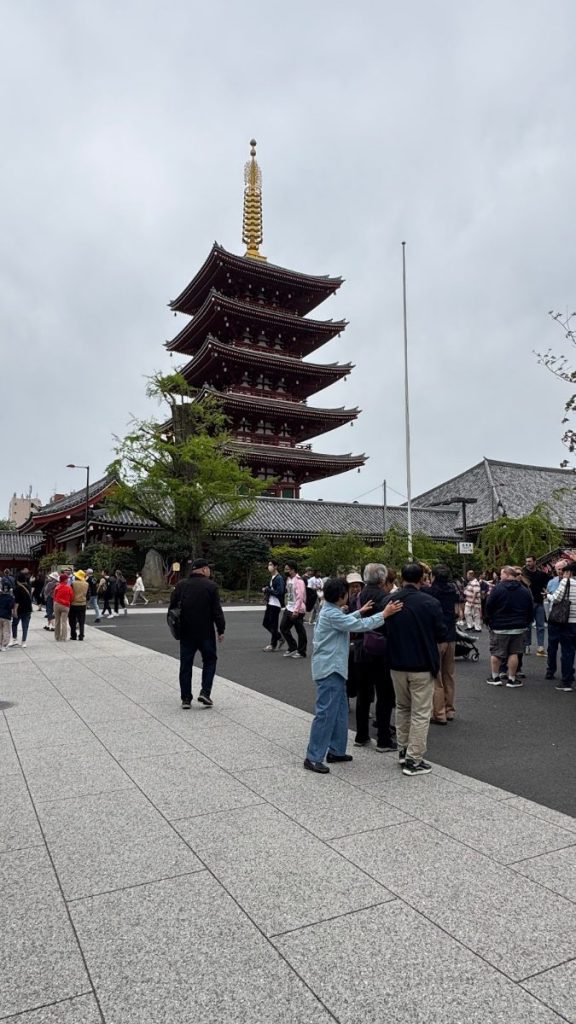
Senso-ji is the oldest Buddhist temple in Tokyo, reached via Nakamise Street, with traditional stalls, snacks and souvenirs. We joined a guided tour to understand what we were seeing, and then went down to the playground in Sumida Park by the river so Peleg would have a good day too.
Shinjuku and Harajuku
We started the morning at the free observation deck of the Tokyo Metropolitan Government Building, on the 45th floor. On a clear morning you can see Mount Fuji from there, and we were lucky enough to see it. From there we continued to Shinjuku Gyoen, a huge, quiet garden in the middle of the city, and in the afternoon to Harajuku and colorful Takeshita Street, with its fashion shops and over-the-top desserts. Peleg got rainbow cotton candy there, and that summed up the day for him.
Ueno and Kappabashi
In the morning we walked in Ueno Park, and from there went to Kappabashi, a street devoted entirely to kitchenware, molds and knives. Bob bought a Japanese chef’s knife there, engraved with a personal dedication. He’s still in love with it.
Akihabara: The Area I Connected With Most
If there’s one place in Tokyo that did win me over, it’s Akihabara, Japan’s geek district: the heart of anime, manga and gaming culture, with floor after floor of arcade machines, figure shops and unique cafés. The funniest part: even the costumed waitresses inviting people into the cafés do it gently and politely. We went into a huge arcade, Peleg played the drum machine, and in the end we had excellent vegetarian ramen there.
Tokyo Tower, the Imperial Palace and Ginza
At night we went to see the illuminated Tokyo Tower. On the last day we walked in the Imperial Palace gardens, and the evening ended in Ginza.
teamLab Borderless: Book in Advance
We planned to go to teamLab Borderless on our first round in Tokyo, but there were no places. We only made it on the second round, while staying in Yokohama. It’s best to book tickets in advance – you can buy tickets here. We chose Borderless rather than Planets, because at Borderless you don’t follow a fixed route. With a 3-year-old who just wants to run, it’s much easier to explore at your own pace. The exhibition is mesmerizing, and it’s best to arrive toward closing time, when most of the rooms are already empty.
After Tokyo we decided that for the second part of the trip we’d stay in Yokohama and go into Tokyo only for day trips – more on that later. More attractions and essential information are in the Tokyo guide, and if you’re coming with kids, I’ve gathered tips in the guide to Tokyo with kids.
12 Days by Car in Northern Japan
After a round of Japan’s tourist must-sees, we felt we’d had enough. We wanted to get away from the crowds and see the real Japan. Shani and Eyal, a couple of friends who came from home, joined us, so we were four adults and a child. We rented a 7-seat minivan and drove more than 1,200 km in 12 days.
The Car, and What You Need to Know About Driving in Japan
We booked the car through Check In/Out’s car rental site. We got a Yesaway minivan (Honda Odyssey or similar), with pick-up and drop-off at Narita Airport. In Japan you drive on the left, but drivers are very courteous, speed limits are low and enforcement is real, and the expressways connect every point comfortably. A few things we learned:
- International Driving Permit – it must have been issued within the last year, even if your home driver’s license is still valid.
- ETC card for toll roads: get it in advance from the rental company. You can’t pay cash everywhere, and you don’t want to get into trouble on the road.
- Fuel: don’t go below half a tank. We had stretches of dozens of kilometers without a gas station.
Everything else, from insurance to the roads, is in the complete guide to renting a car in Japan.
Mount Fuji and Kawaguchiko
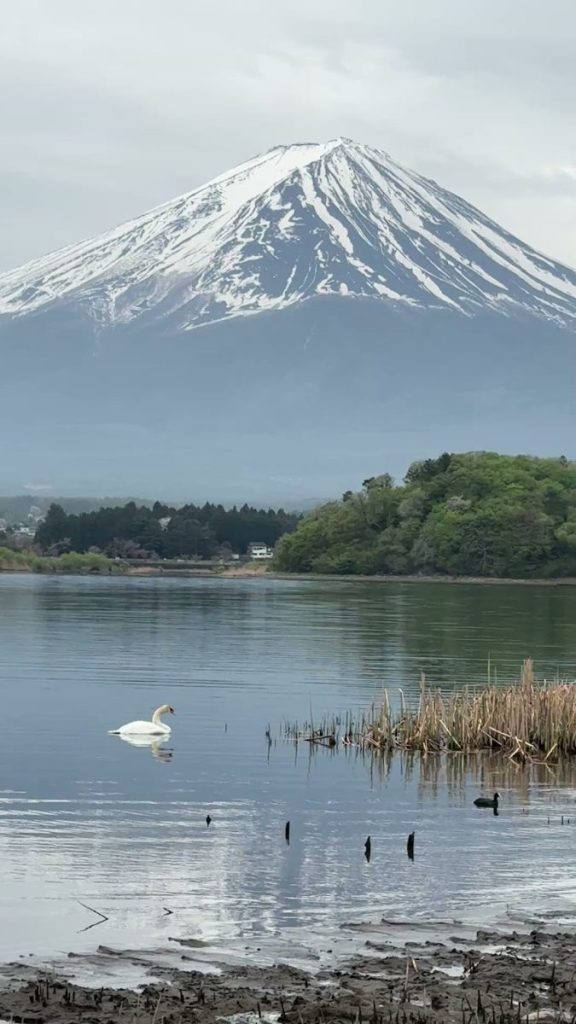
We did make one foray into the must-see list: how could we skip Fuji? We stayed at 04 Resort Club RIN, with a view of the mountain from the room. The mountain hides behind clouds much of the time, sometimes for whole days, and your best chance of seeing it is early in the morning. In the morning we headed out early to Oishi Park on the lake shore, and from there drove to the Chureito Pagoda and Oshino Hakkai. I’ve gathered more hotels with mountain views in the list of hotels with a view of Fuji.
Ashikaga and Nikko
From Fuji to Fukushima is a long drive, so we split it with one night at HOTEL R9 The Yard in Ashikaga, in the suburbs north of Tokyo. The next day we stopped on the way in Nikko, at Toshogu Shrine.
Inawashiro and the Bandai Lakes
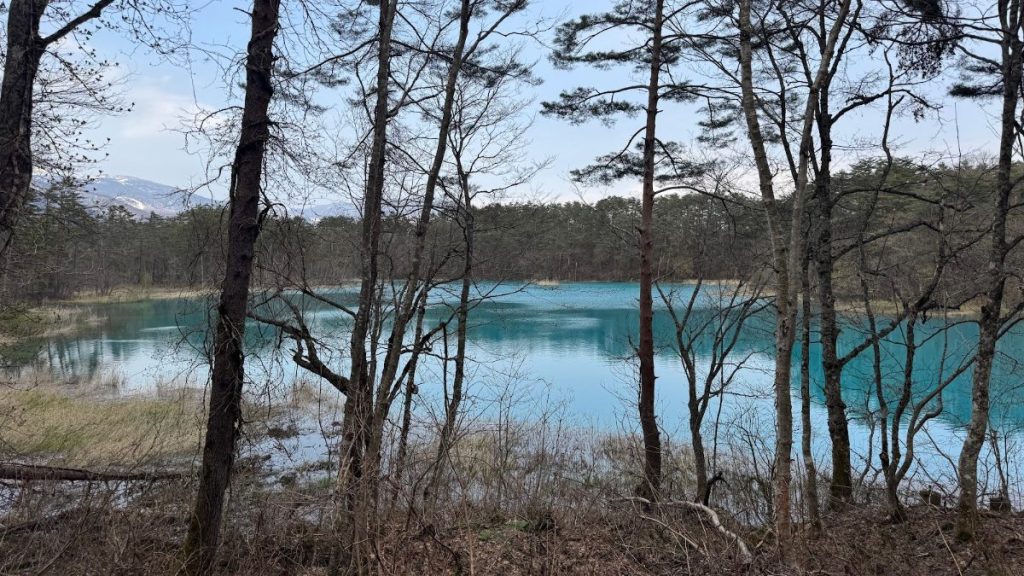
Two nights at Lake View Inawashiro, with an onsen and a view of the lake. From here we drove to the lakes area of Bandai-Asahi National Park and did three places there:
- Bishamonnuma: a beautiful lake at the start of the lakes trail, near the visitor center, with small rowing boats for rent.
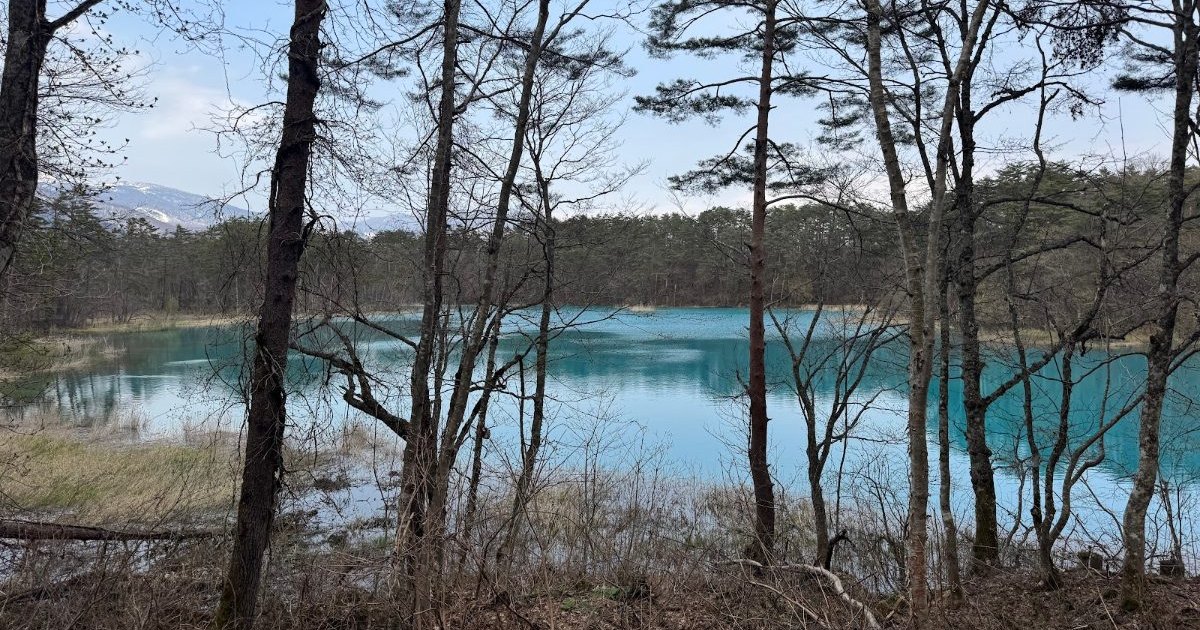
- Goshikinuma Ponds Trail: an easy, linear trail, about an hour and a half each way, between turquoise, deep green and glowing blue lakes. We walked halfway and back.
- Rengenuma: a flat loop trail of about half an hour around a blue-green lake.
At the end of April there was still snow on the paths, and at the start of the trail there’s a bear warning sign (all in all reassuring…). All the trails are family-friendly, there’s free parking near each spot, and the colors are most beautiful in the morning.
The Ryokan We Loved Most: Kansyokan
On the way north we stopped at Tsuruga Castle in Aizuwakamatsu and in Yamagata, and in the evening reached Kansyokan in Mogami. If you’re planning a trip to Japan, don’t miss a night at a ryokan. Everything there is a ritual: there are different clothes for each stage and different shoes for each area. When you arrive, you choose a yukata (Japanese robe) from a whole wardrobe, including children’s sizes. You sleep on futons, there are local treats, and you soak in the onsen – hot spring baths in indoor and outdoor pools at 35 to 45 degrees. Bathing is separate for men and women, and completely naked. At first I really struggled with the idea, but once I let go, I discovered it’s a perfect experience.
We had two nights there, and we all agreed we should have stayed one more. On the day in between we explored the area, as far as Naruko Gorge. Everything you need to know before entering an onsen I’ve written in the guide to onsen and bathing culture in Japan.
Morioka and Mount Iwate
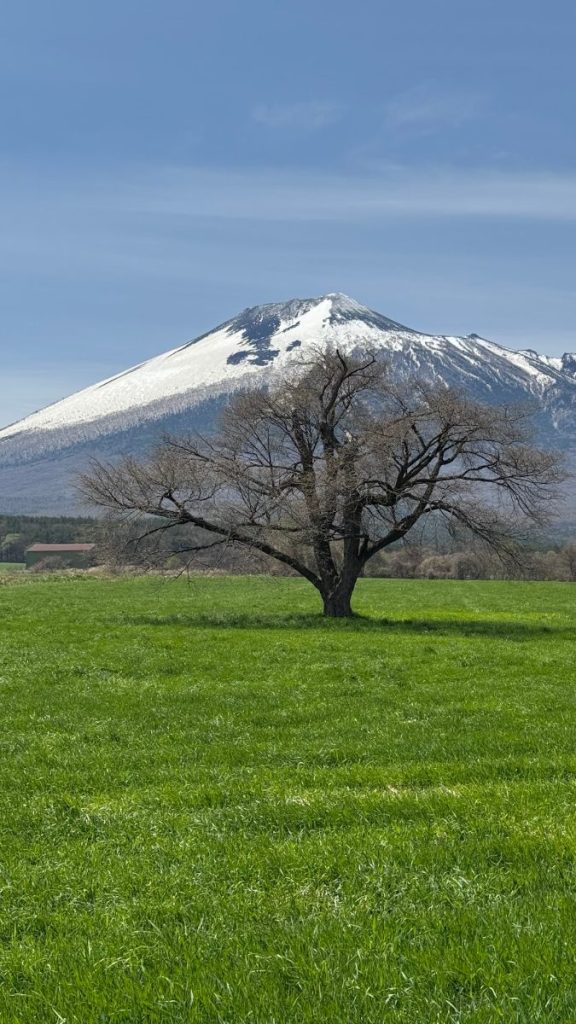
It all started with a photo of a mountain, and I booked two nights at Daiwa Roynet Hotel Morioka. There are no tourists there, only amazing locals who don’t speak a word of English but help with all their heart. On the way we stopped in Kitakami, and the next day we drove into the Hachimantai mountains, which were still snow-covered in early May.
Mount Iwate, the Fuji of northern Japan. Right next to the city hides Mount Iwate (Iwate-san), an impressive volcano rising to 2,038 meters. It looks so symmetrical that it’s been nicknamed “the Fuji of northern Japan”. The scenery here is incredible, the trails are stunning, and the best part? You still won’t find the crowds of hikers who flock to the better-known areas.
Sendai and Matsushima
Sendai is a “small” city of a million people. We stayed three nights at Daiichi Inn Park, with shopping, parks and excellent food.
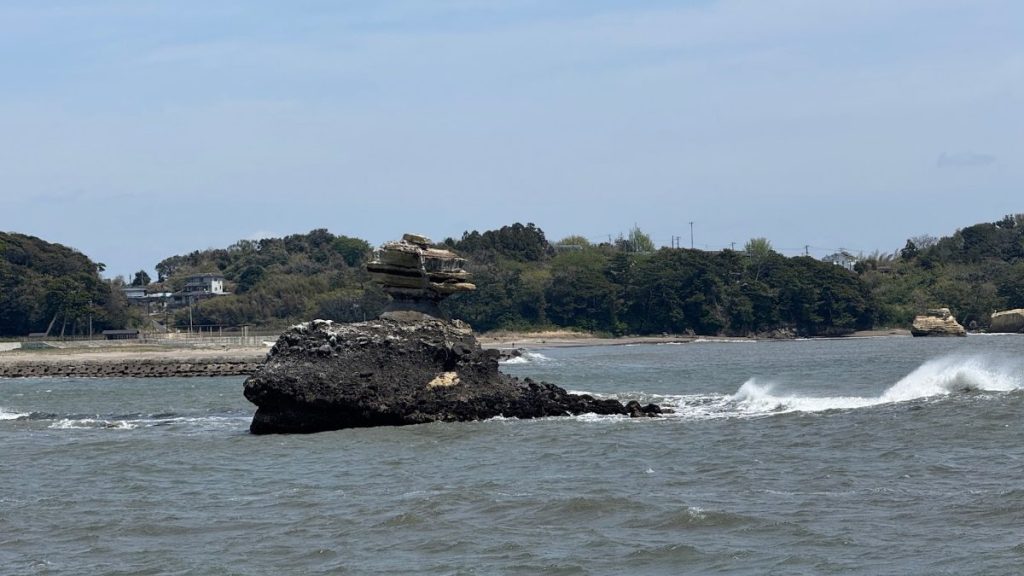
Matsushima. A day trip to one of the three most famous views in Japan: a bay with hundreds of small islands covered in pine trees. We took a cruise of about 50 minutes among the islands, and then walked across the red bridge to Fukuura Island (entry about 200 yen). We came by car, but you can also get there from Sendai by train. The people smile, the nature is just right, and it’s one of the most peaceful places we found.
A small tip: glasses are very cheap in Japan. At the JINS chain you choose a frame, have an eye test on the spot, and within about half an hour your glasses are ready.
Hitachi Seaside Park, and a Night Inside a Train Station
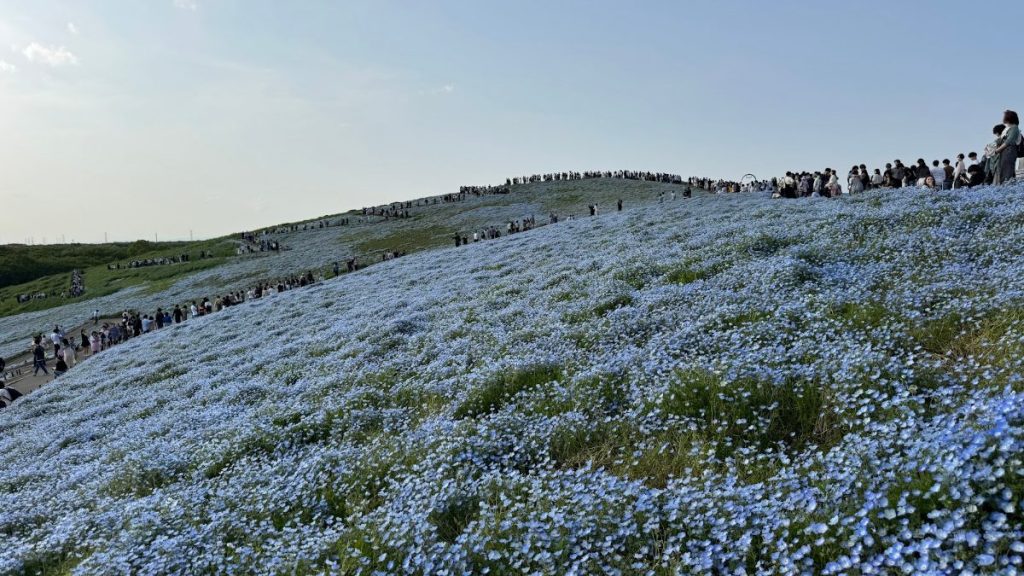
On the way back south we stopped at Hitachi Seaside Park. In early May the hills there are covered with blue nemophila flowers, and there are also fields of tulips and rapeseed flowers. It’s a recommended stop for anyone driving from Sendai to Tokyo. We had an hour and a half there, and it was nowhere near enough.
We spent our last night together at BEB5 Tsuchiura, a cool hotel located right inside the train station. Very convenient for anyone traveling by public transport, and close to Narita. In the morning we drove to the airport, returned the minivan and said goodbye to Shani and Eyal.
The Japanese Alps, Just the Three of Us
That same day we picked up a smaller car at Narita, a Mazda 2 from Times, which we also booked through Check In/Out’s car rental site, and drove straight to Toyama. It’s a long drive, and we only arrived at ten at night.
Toyama. Two nights at Toyama Manten Hotel, which has an onsen. On our full day we drove to Unazuki Onsen and rode the open-air Torokko train through the Kurobe Gorge, with our first view of the Alps: green mountains, waterfalls and snowy peaks. After a month of moving every one to three days with a small child, we felt a bit tired, so we slowed down.
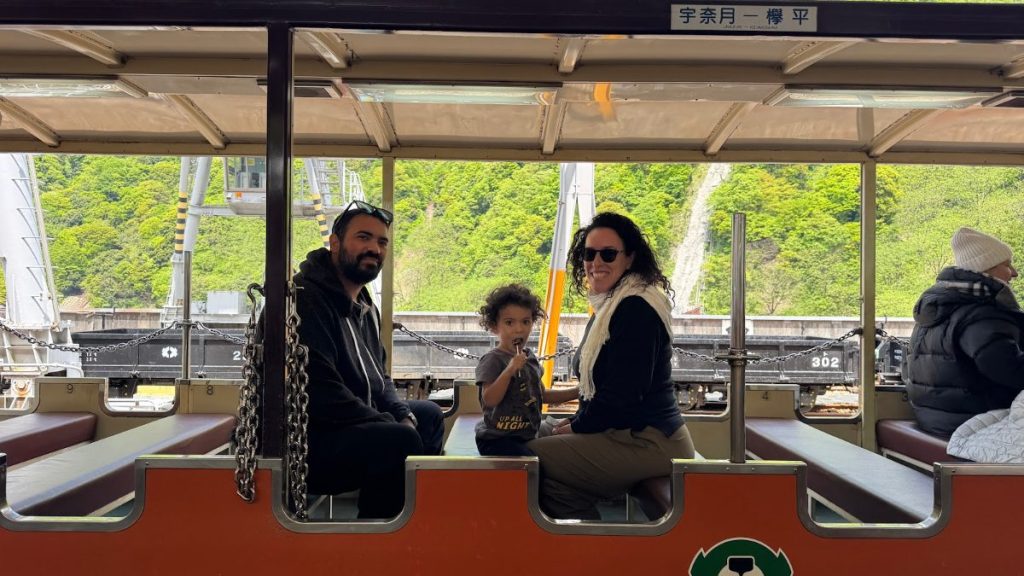
Kanazawa. Two nights at HOTEL AMANEK Kanazawa, near Korinbo in the city center. We walked around the Nagamachi samurai district and the center.
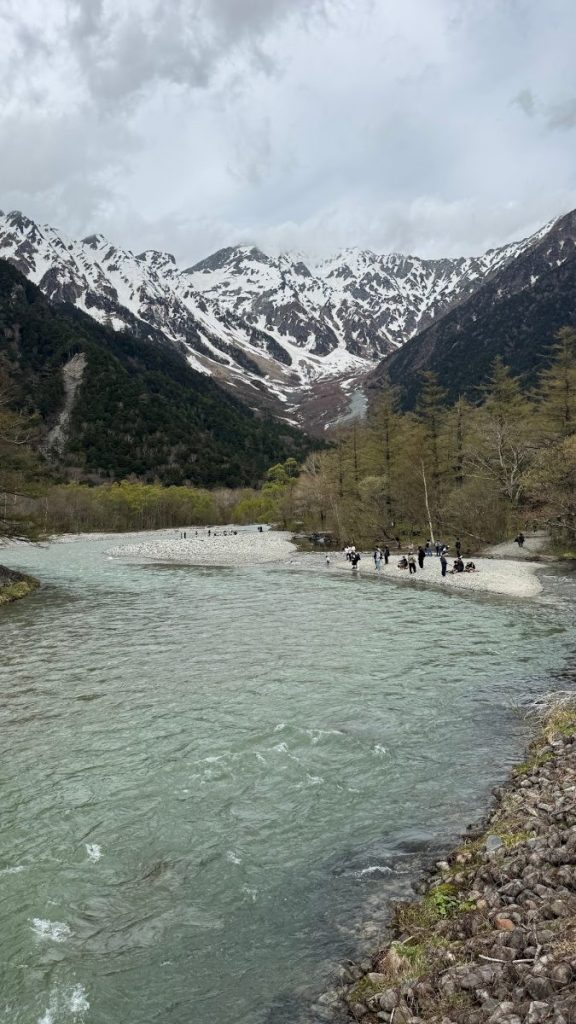
Shirakawa-go and Kamikochi. On our last day with the car we stopped at Shirakawa-go, drove through Okuhida and reached Kamikochi. It’s a stunning, easy trail with incredible views. Just bear in mind: private cars can’t enter. You park in designated parking lots and continue by shuttle, which isn’t cheap: 2,800 yen per adult and 1,400 yen per child. Besides the visitors, we also met monkeys on the trail, and unlike the monkeys in Thailand, they were completely calm. From there we drove straight to Yokohama.
Yokohama: Our Base for Tokyo
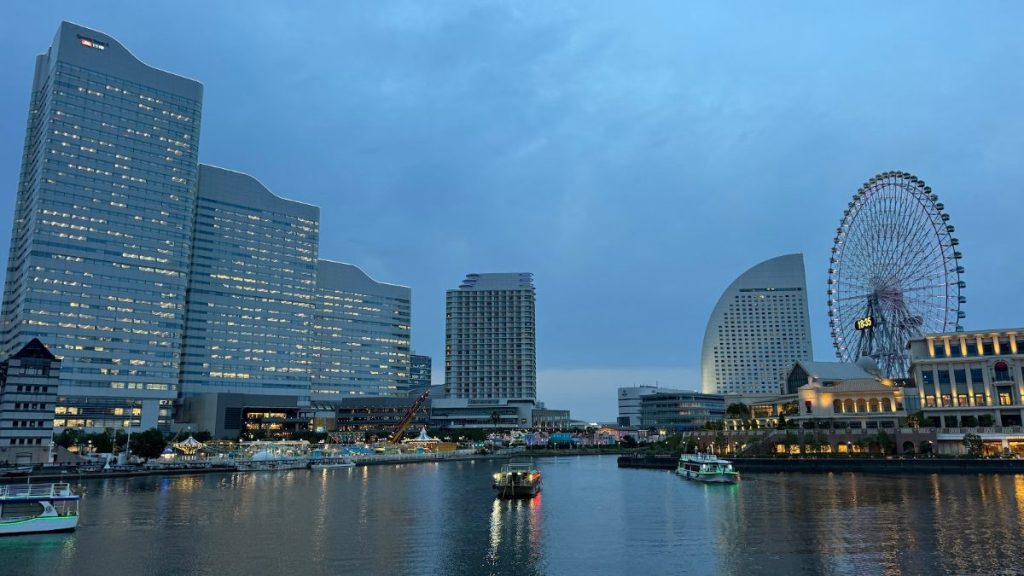
After Tokyo we decided to stay in Yokohama, and it was a serious upgrade. Less crowded, more space and a sense of freedom with a child, and Tokyo is 40 minutes away by train. We stayed nine nights at Daiwa Roynet Hotel Yokohama-Koen, near Yokohama Park and Chinatown. Here too we worked on some of the days.
What we did: Chinatown and Minato Mirai, and Nogeyama Zoo, which we visited twice. We returned the Mazda at Narita only after two days, and on the way back we stopped in Tokyo at teamLab Borderless, which I wrote about in the Tokyo section. More recommendations for the city are in the Yokohama guide.
Busan: Three Nights
From Narita we flew to Busan. We stayed at Nampo Hound Hotel Premier, in the Nampo-dong area: full of nightlife, markets and street food.
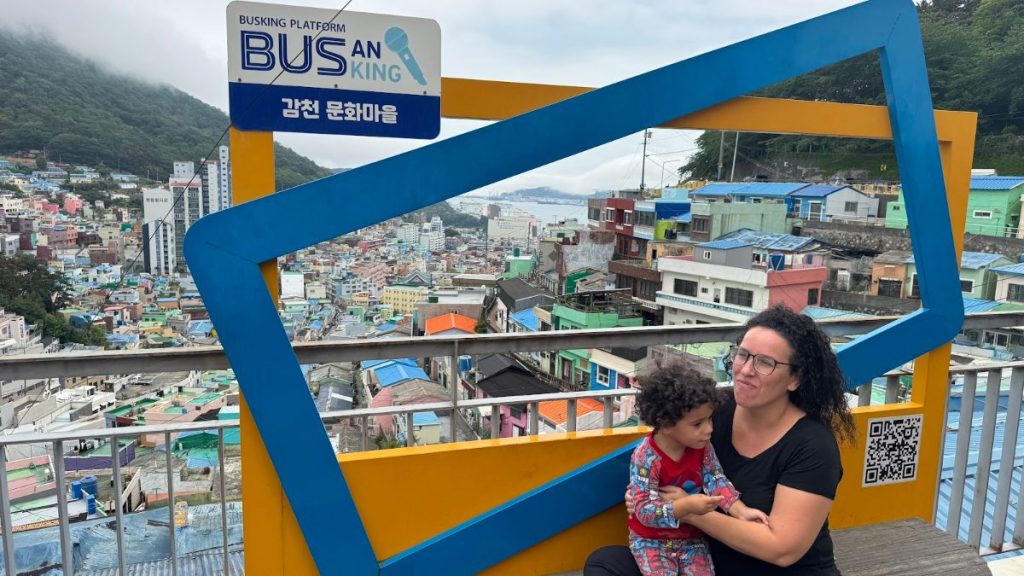
- Gamcheon Culture Village: a colorful neighborhood on a hillside, with graffiti, galleries, cafés and even a line to take a photo with the Little Prince statue. You can go up by bus or on foot (uphill).
- The Songdo cable car and Amnam Park: we went up into total fog, but at the top a cliffside walking trail and a park with dinosaurs were waiting for us, and Peleg was on cloud nine.
- Gukje Market, BIFF Square and Jagalchi Market: a celebration of Korean street food.
About food in Korea. If you’re vegetarian, be prepared for a challenge. On the plus side, Korean restaurants bring lots of small side dishes to the table, with unlimited refills. A meal of two main dishes, with all the side dishes, cost us 42,000 won, about US$30. More about the city is in the Busan guide.
Seoul: I Didn’t Expect to Fall in Love
From Busan we traveled to Seoul on the KTX, the high-speed train. I didn’t expect to fall in love with Seoul, but it won me over from the first moment: lively markets, green parks, shopping, amazing street food and fascinating history.
Where we stayed: Urban Space Seolleung in Gangnam, a minute from Seolleung station, for seven nights. Right next to the hotel are the royal tombs of Seolleung and Jeongneung, a UNESCO World Heritage Site and a green, quiet corner in the middle of the city.
What we did:
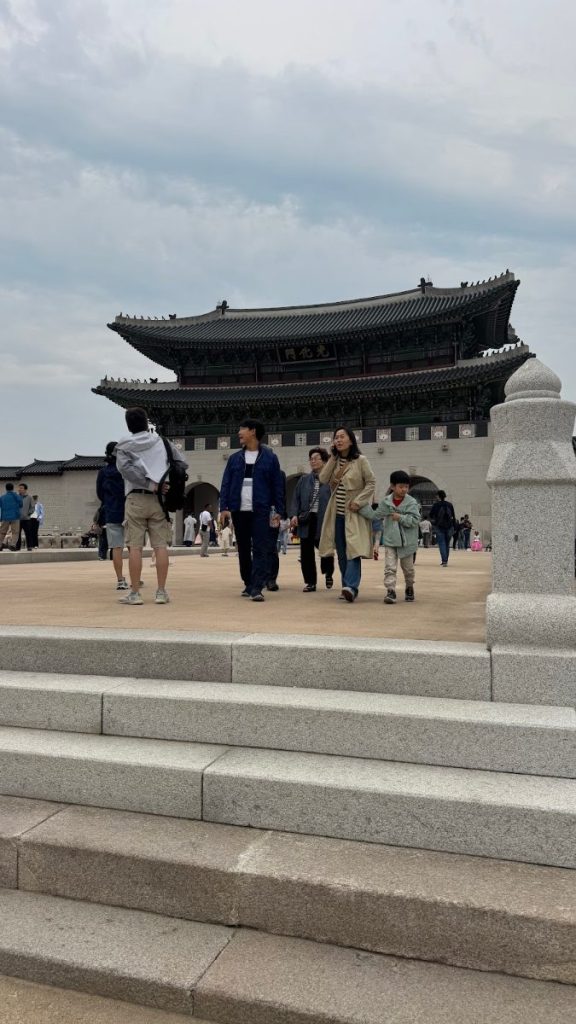
- Gyeongbokgung Palace: including the changing of the guard ceremony. It’s worth joining the guided tour, usually included in the entry price, to understand what you’re seeing.
- Ikseon-dong, Insadong and Bukchon: historic alleys with renovated hanok houses, trendy cafés, restaurants and design shops.
- Gwangjang Market: one of the largest traditional markets in the city.
- Cheonggyecheon stream and Myeongdong.
- COEX: Starfield Library, virtual reality games and Bongeunsa Temple opposite.
- Yeouido: Hangang Park along the river.
- A DMZ tour: an hour’s drive from Seoul and you reach the point where the two countries stand face to face. You look out at North Korea from the observatory, go down into a tunnel dug by the North Koreans and hear the whole story. A powerful, unsettling experience. We booked this tour through GetYourGuide.
Good to know: Google Maps doesn’t work properly there. It shows public transport, but not walking navigation, and always prefers buses over the metro (and we, with a stroller, preferred the metro). There are local apps that work better, Naver Map and Kakao Map – install one of them before you land. More about the city, including areas to stay, is in the Seoul guide.
On 29.5 we flew from Incheon back to Bangkok. The airport train was so crowded we barely got in with the stroller, so if you’re flying in the morning, leave early.
What I’d Do Differently
- Fewer moves. In the first month we changed places every one to three days, and with a small child that’s exhausting. The two nights at the ryokan should have been three.
- Stay outside Tokyo from the start. Yokohama worked much better for us.
- Leave more time for Hitachi Seaside Park. An hour and a half isn’t enough.
- At Kyoto’s crowded sites, arrive before seven in the morning. The difference is huge.
All the Places We Stayed
- Fukuoka: APA Hotel Hakata Higashihieekimae. One stop from the airport.
- Hiroshima: Daiwa Roynet Hotel Hiroshima. Central, near the Peace Memorial Park.
- Kyoto: Kyoto Hana Hostel. Japanese room with futons.
- Osaka: LEOPARD Shinsaibashi. Near Dotonbori.
- Tokyo: APA Hotel Roppongi SIX. In Roppongi.
- Kawaguchiko: 04 Resort Club RIN. View of Fuji.
- Ashikaga: HOTEL R9 The Yard Ashikagafukutomi. Stopover.
- Inawashiro: Lake View Inawashiro. Onsen and lake view.
- Mogami: Kansyokan. The ryokan we loved most.
- Morioka: Daiwa Roynet Hotel Morioka.
- Sendai: Daiichi Inn Park.
- Tsuchiura: BEB5 Tsuchiura by Hoshino Resorts. Inside the train station.
- Toyama: Toyama Manten Hotel. With an onsen.
- Kanazawa: HOTEL AMANEK Kanazawa.
- Yokohama: Daiwa Roynet Hotel Yokohama-Koen. Near Chinatown.
- Busan: Nampo Hound Hotel Premier. In the heart of Nampo-dong.
- Seoul: Urban Space Seolleung. A minute from the metro in Gangnam.